by Pest Control | Aug 26, 2025 | Pest Control
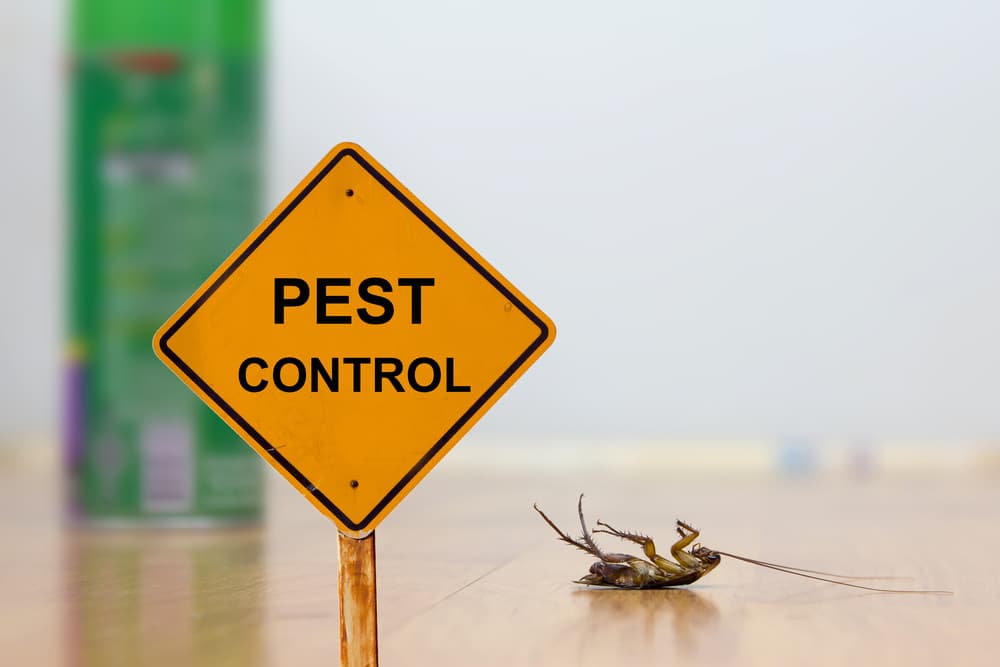
Why Roaches Keep Coming Back and How to Stop the Cycle
If you’ve been battling a roach problem, only to have them return time and time again, you’re not alone. Roaches are among the most persistent pests, and getting rid of them once and for all requires more than just a quick spray. These resilient invaders are experts at surviving, thriving, and finding ways back into your home. Left unchecked, a small infestation can quickly grow into a nightmare.
Understanding why roaches keep coming back and knowing how to stop the cycle are key to protecting your home and your family. This guide will explore the hidden reasons behind recurring roaches infestations, common mistakes to avoid, and proven strategies to end the cycle—for good.
Breaking the Roach Infestation Cycle
The Frustration of Recurring Roaches
Roaches have a way of reappearing even after you think you’ve gotten rid of them. This can be incredibly frustrating for homeowners who invest time and effort into DIY solutions, only to see the problem resurface. The truth is, the reasons behind their return often lie beneath the surface.
Why Roaches Are So Persistent
Roaches are survival experts. They adapt to tough environments, hide in hard-to-reach spaces, and reproduce at an alarming rate. Their eggs are protected by a tough casing, often shielded from the effects of over-the-counter sprays and traps. This persistence makes them particularly challenging to eliminate.
The Goal: Long-Term Solutions
The key to success lies in looking beyond quick fixes. Roach infestations demand a thorough, systematic approach that addresses the root causes. With the right knowledge, tools, and eco-friendly methods, you can put an end to the cycle.
Roaches Pest Control
Why Roaches Keep Coming Back
Missed Entry Points
Roaches are experts for roaches infestation at finding their way inside. Tiny cracks in walls, gaps around doors and windows, and open vents all act as welcome mats. Even if you get rid of existing roaches, leaving these gaps unsealed provides an open invitation for new pests to enter.
Hidden Nests
Not all roaches are visible. Many hide deep within walls, under appliances, or in crawl spaces. If these nesting areas aren’t located and addressed, a small group of roaches can quickly grow into another infestation.
Reproductive Rates
Roaches reproduce astonishingly fast. A single female German roach, for example, can produce hundreds of offspring in her lifetime. Even if you eliminate the adults, missing a few egg casings is enough to restart the infestation.
Common Mistakes in Roach Control
When dealing with a roach infestation, it’s easy to make mistakes that inadvertently worsen the problem. Here are three common missteps to avoid:
Relying on Store-Bought Sprays
Over-the-counter sprays might kill visible roaches, but they rarely reach hidden nesting areas or egg casings. This leaves the root of the infestation untouched. Additionally, many sprays contain toxic chemicals, potentially harming your home environment without offering a thorough solution.
Ignoring Egg Casings
Roach eggs are protected by a hard shell called an ootheca. Killing adult roaches alone won’t eliminate these eggs, which can hatch weeks later and restart the infestation. A comprehensive approach is critical to breaking this cycle.
Lapses in Cleaning Habits
Roaches thrive on even small crumbs or spills. Missing consistent cleaning routines, like wiping surfaces or sealing food containers, creates an environment where these pests can easily return. It’s essential to remove all accessible food sources to discourage re-infestation.
The Role of Food and Water in Roach Infestations
Unsealed Food Sources
Crumbs on the floor, open snack packages, and even pet food bowls can attract roaches. These pests are opportunistic feeders who can survive on the smallest scraps.
Standing Water and Leaks
Roaches need water to survive, and they’ll seek it out wherever it’s available. Leaky pipes, dripping faucets, and water accumulating in dishes or pet bowls are major draws.
Grease and Grime
The buildup of grease on stoves, countertops, and kitchen appliances is another magnet for roaches. Regular, deep cleaning is essential to eliminate this hidden food source.

Roaches Pest Control Service
How Roaches Outsmart DIY Pest Control
Roaches are masters of survival, and their ability to adapt makes tackling roaches infestations with DIY methods particularly challenging. Here’s how these resilient pests manage to outwit common approaches:
Resistance to Pesticides
Roaches can develop resistance to commonly used pesticides over time. When the same product is repeatedly applied, it becomes less effective, leaving colonies unfazed. This adaptive resistance means switching between products may only act as a temporary fix without addressing the root problem.
Trap Avoidance
Roaches don’t just stumble into traps blindly. These pests are quick learners. If a trap claims a few victims, others in the colony often begin to associate that area with danger. Before long, they actively avoid traps altogether, rendering them ineffective.
Hiding in New Spaces
Roaches are highly adaptable when their usual hiding spots are disturbed. They’ll migrate to new, more inaccessible areas, making it even harder for homeowners to locate and eliminate them. Without thorough and comprehensive treatment, these elusive pests can quickly reestablish themselves.
Why Professional Help Matters
DIY efforts often fall short because they don’t account for the roaches’ ability to learn and adapt. Professional pest control services deploy tailored, eco-conscious solutions that address these behaviors effectively, targeting infestations while preventing recurrence.
Natural Ways to Break the Cycle
Seal Entry Points
Inspect your home thoroughly for cracks, gaps, and holes where roaches can enter. Seal these areas with caulk or weatherstripping to prevent access.
Use Natural Repellents
Bay leaves, diatomaceous earth, and essential oils like peppermint and tea tree oil can act as natural deterrents. Placing them in high-traffic roach areas can help keep pests away without chemicals.
Keep Your Home Clean
Regular cleaning homes for roaches is vital. Sweep and vacuum floors, wipe down countertops, and ensure food is stored in airtight containers. Removing food and water sources makes your home less inviting.
The Importance of Professional Roach Control
Thorough Inspections
Professionals know where to look for roaches, including hidden nests and less obvious entry points. Their experience ensures nothing gets overlooked.
Advanced Treatment Methods
Expert pest control involves more than just sprays. Eco-friendly baits, traps, and targeted solutions can address the infestation without harming the environment or your family.
Long-Term Prevention Plans
A comprehensive pest control plan isn’t just about removal—it’s about preventing future infestations. Professionals can provide tailored advice and monitoring to keep your home roach-free.
EcoCare Pest Control: Your Partner in Breaking the Cycle
Eco-Friendly Solutions for Every Home
EcoCare Pest Control specializes in sustainable and safe pest management. Their solutions eliminate roaches without compromising the health of your household or the environment.
Expertise You Can Trust
With years of experience, EcoCare’s licensed technicians are trained to tackle even the most persistent infestations. They locate hidden nests, seal entry points, and provide custom solutions for every home.
Commitment to the Environment
EcoCare practices what they preach, prioritizing eco-friendly methods that deliver long-term results while protecting the planet.

Roaches Infestation Treatment
Why Eco-Friendly Solutions Are the Best Choice
Safe for Families and Pets
Unlike harsh chemical sprays, eco-friendly pest control methods are non-toxic and safe to use around children, pets, and vulnerable family members.
Sustainable Pest Control
Environmentally friendly methods focus on long-term prevention by addressing root causes, rather than relying on short-lived fixes.
Protecting the Environment
Eco-friendly pest control reduces the impact on non-target species and prevents harmful chemicals from polluting local ecosystems.
Tips to Keep Roaches Away for Good
Keeping roaches out of your home requires a proactive approach and thoughtful habits. Here are three key steps to help ensure they don’t come back:
1. Store Food Properly
Roaches are always on the hunt for an easy meal. Store all food items, including pet food, in sealed containers to make your home a less appealing buffet. This small step removes one of their main survival sources.
2. Eliminate Moisture
Roaches thrive in damp environments. Fix leaky pipes, dripping faucets, and other water sources as soon as possible. For extra protection, consider using dehumidifiers in areas like basements or laundry rooms to keep humidity levels under control.
3. Inspect Regularly
Prevention is key. Regularly check common hiding spots, such as under sinks, behind appliances, and in dark corners, to catch potential infestations early. These routine inspections can save you the trouble of dealing with a full-fledged roach problem later.
By combining these practices, you’ll create a cleaner, less inviting environment for roaches, ensuring your home stays pest-free. For a safer and more sustainable solution, always consider eco-friendly pest control options to protect your home and the planet.
Stop Roaches for Good
To put an end to roach infestations, understanding the root causes is key. Skipping this step will only invite the problem to return. Roaches are more than a nuisance—they’re a health hazard. Taking proactive steps ensures your family’s well-being and peace of mind.
For safe, effective, and eco-friendly pest solutions that stop roaches in their tracks, contact EcoCare Pest Control. Schedule your consultation today and finally break the infestation cycle for good.
650 NE Holladay St Suite 1600, Portland, OR 97232, United States
(360) 702-3555
by Pest Control | Aug 21, 2025 | Rodents Control
German Roaches vs. American Roaches: Which One’s in Your Home?
When it comes to household pests, roaches are among the most common, persistent, and unwelcome. Not only are they unsightly, but they can also pose serious risks to your health and home. If roaches make an appearance in your house, understanding what type you’re dealing with is critical. German roaches and American roaches are two of the most prevalent species found in homes, and each requires a specific approach to control and prevention.
This comprehensive guide will help you understand the differences between German and American roaches, recognize an infestation, and take eco-friendly steps to remove and prevent these pests.
Know Your Roach Invaders
Why Identifying Roaches Matters
Not all roaches are the same, especially when it comes to their habits, hiding places, and reproduction rates. Misidentifying the species can lead to using ineffective treatment methods, which often makes the problem worse. By identifying the roach type, you ensure that the approach to dealing with them is targeted and more likely to succeed.
The Two Most Common Culprits
German roaches and American roaches are the two species you’re most likely to encounter in your home. While both are problematic, their behaviors, preferences, and risks vary, making identification an essential first step toward tackling infestations.
The Importance of Quick Action
A single roach sighting might not seem like a big deal, but it often indicates a much larger problem lurking unseen. Both German and American roaches reproduce quickly, and delaying action can result in full-blown infestations that are much harder—and costlier—to control.
German Roaches vs. American Roaches
Meet the German Roach
What Do They Look Like?
German roaches are small, about ½ an inch long, with light brown coloring and two bold, dark stripes down their backs. Their compact size allows them to squeeze into even the tiniest of spaces, making them particularly sneaky intruders.
Where Do They Hide?
These pests thrive in warm, humid environments, preferring indoor areas like kitchens and bathrooms. Look for them hidden under sinks, inside cabinets, and behind appliances where they have access to water and food. They are most active at night, making it easier to miss their presence during the day.
Why Are They a Problem?
German roaches are notorious for their rapid reproduction rates. What starts as a small infestation can spiral out of control in no time. More troubling, they contaminate food and surfaces with their droppings and saliva, which carry bacteria and allergens. This poses significant health risks, especially to individuals with allergies or compromised immune systems.
The Solution
Addressing German roaches requires a swift and thorough approach. Partnering with a pest control service that emphasizes safe, eco-friendly practices ensures effective removal while protecting your family, pets, and the environment.
Meet the American Cockroach
Appearance
The American cockroach is one of the largest roaches you’ll encounter, growing up to 2 inches long. It has a distinct reddish-brown color with a yellowish figure-eight marking just behind its head, making it easy to identify.
Where They Hide
These pests often originate outdoors, seeking refuge in dark, damp places such as basements, sewers, and crawl spaces. Once inside, they find their way into homes through cracks, floor drains, and open doors, favoring moist areas like kitchens, bathrooms, and laundry rooms.
Why They’re a Concern
Though slower to reproduce than smaller species, American roaches pose significant threats. Their sheer size and rapid movements can be alarming, but their real danger lies in the bacteria they spread while crawling across surfaces. This contamination can lead to serious health risks, especially in food preparation and eating areas.
Eliminating and Preventing Infestations
Keeping these pests at bay requires a combination of cleanliness and preventative measures. Sealing entry points, repairing leaks, and maintaining a dry and clean environment can help deter them. For more thorough and eco-friendly solutions, professional pest control services ensure both safety and lasting effectiveness.
Key Differences Between German and American Roaches
When it comes to cockroach infestations, knowing your enemy can make all the difference. German and American roaches may be equally unwelcome, but they differ significantly in size, habits, and reproductive capabilities.
Size and Appearance
German cockroaches are small, reaching about ½ inch in length, and are light brown with two distinct dark stripes behind their heads. On the other hand, American cockroaches are much larger, often over 1.5 inches long, with reddish-brown coloration and yellow markings around their heads.
Habitat Preferences
German roaches thrive indoors, preferring warm, humid areas like kitchens and bathrooms. Meanwhile, American roaches are outdoor creatures, often hiding in decaying organic material. However, they’re no strangers to invading homes, entering through basements, sewer lines, or drains.
Reproductive Rates
German cockroaches breed at an astonishing pace. A single female can produce up to 300 offspring in her lifetime, making infestations challenging to control. While American roaches reproduce less frequently, their larger size and resilience present their own challenges in eradication.
Both types of roaches are stubborn foes, but understanding their behaviors and preferences is the first step toward effective removal.
German Roaches vs. American Roaches Treatment
Signs of a Roach Infestation
Droppings and Smear Marks
German roach droppings resemble tiny black pepper-like specs, whereas American roach droppings are larger with ridged edges. You might also notice smear marks along walls or surfaces where roaches travel.
Egg Casings (Oothecae)
Both species leave behind egg casings, though the size and shape differ. German roach egg casings are small and tan, while American roach egg casings are larger and reddish-brown.
Unpleasant Odors
Large infestations produce a musty, oily smell due to pheromones released by the roaches. This odor is often stronger with German roaches, given their tendency to cluster in large numbers.
The Risks of Roach Infestations
Health Hazards
Both roach species carry bacteria such as salmonella and E. coli, which can contaminate food and surfaces. Their droppings and body parts can also trigger allergies and worsen asthma, especially in children.
Food Contamination
Roaches leave droppings, saliva, and bacteria wherever they crawl, putting your stored food, utensils, and countertops at risk. German roaches, in particular, are notorious for invading pantries.
Structural Damage
Roaches can chew through materials like paper, cardboard, and fabric. Over time, they may also damage electronics by nesting inside appliances or chewing through wires.
Natural Ways to Deter Roaches
Seal Entry Points
Inspect your home for cracks, gaps, and holes around doors, windows, and vents. Use caulk or weatherstripping to seal these access points and prevent roaches from sneaking inside.
Keep Your Home Clean
Food crumbs, grease, and spills can attract roaches. Regularly clean your kitchen, take out the trash, and store food in airtight containers to reduce their access to meals.
Use Natural Repellents
Bay leaves, diatomaceous earth, and essential oils like peppermint, eucalyptus, and tea tree oil can deter roaches naturally and safely.
Why DIY Roach Control Often Fails
Hidden Infestations
Roaches are experts at hiding in places like walls, appliances, and drains. DIY methods often target only visible roaches, leaving hidden nests to flourish.
Incomplete Solutions
Store-bought sprays and traps may kill some roaches but often fail to address the larger cockroach infestation. Without targeting eggs and breeding sites, roaches will quickly repopulate.
The Need for Professional Expertise
Professionals use advanced tools and techniques to locate and eliminate all roaches, including hidden nests and egg casings, ensuring a thorough solution that DIY methods can’t match.
German vs. American Roaches Infestation
How to Keep Roaches Out for Good
Roaches are more than a nuisance; they compromise your home’s hygiene and comfort. Follow these simple, eco-friendly steps to keep them away and protect your space.
1. Store Food Properly
Seal all food in airtight containers, including pet food. Roaches thrive on crumbs, so avoid leaving food out overnight, and clean up spills or crumbs promptly. A clean kitchen is your first line of defense!
2. Fix Leaks and Minimize Moisture
Roaches need water to survive, so eliminating moisture helps deter them. Inspect pipes, faucets, and appliances for leaks and repair them immediately. Use a dehumidifier or proper ventilation to keep humidity levels low, especially in kitchens and bathrooms.
3. Regular Inspections
Stay vigilant. Look out for telltale signs like droppings, egg cases, or grease marks. Check common hiding spots like behind appliances, under sinks, and in cracks or crevices. Early detection means easier control and prevention of infestations.
EcoCare Pest Control: Eco-Friendly Roach Removal You Can Count On
Safe, Effective Solutions for a Healthier Home
Take control of your home with EcoCare Pest Control. Our eco-friendly roach management solutions are designed to eliminate infestations without harming your family, pets, or the environment. Rest easy knowing our methods are both safe and effective.
Trusted Expertise for Every Infestation
Whether you’re dealing with German roaches, American roaches, or both, EcoCare’s licensed technicians bring years of hands-on experience to identify and thoroughly address the issue. Our team is equipped to act quickly, ensuring your home is pest-free as soon as possible.
Sustainability That Works for You and the Planet
At EcoCare, we don’t just solve the problem—we prevent it from returning. We prioritize sustainable, non-toxic practices and focus on long-term prevention, so you can enjoy a roach-free home without compromising your environmental values.
Protect your home, health, and the planet with confidence. Choose EcoCare Pest Control for effective, eco-conscious roach management that puts your peace of mind first.
Take Control of Your Roach Problem
Knowing whether you’re dealing with German or American roaches is the first step to effective treatment. Each species requires a targeted approach to elimination and prevention.
- German Roaches are smaller and light brown in color, often found in kitchens and bathrooms. They reproduce rapidly, making them difficult to control.
- American Roaches, also known as “water bugs”, are larger and darker in color. They prefer damp areas like basements and crawl spaces, but can also be found outdoors.
Our team of experienced technicians will identify the type of roach infestation you’re dealing with and tailor a treatment plan based on your unique situation. We use eco-friendly products that are safe for your family and pets, while still effectively eliminating roaches at their source.
650 NE Holladay St Suite 1600, Portland, OR 97232, United States
(360) 702-3555

by Pest Control | Aug 19, 2025 | Rodents Control
Mouse Removal Myths That Could Make Your Infestation Worse
When it comes to mouse infestations, misinformation can cause more harm than good. Whether it’s following outdated advice or resorting to ineffective do-it-yourself methods, many homeowners unintentionally make their problem worse. Understanding the truth behind these common mouse removal myths is critical to effectively and sustainably eradicating these unwelcome pests.
This blog will explore common misconceptions about mouse removal, why they fail, and how evidence-based methods—including eco-friendly solutions—can provide lasting results.
Separating Fact from Fiction in Mouse Removal
The Problem with Misinformation
Misinformation about mouse removal is abundant, with myths often perpetuated by word-of-mouth or outdated advice online. These misconceptions can lead to wasted time, frustration, and even safety risks for your family and pets.
Why Mice Are Hard to Eliminate
Mice are clever, adaptable creatures. They breed rapidly and are adept at avoiding detection, making infestations challenging to manage. Their ability to squeeze into tiny spaces and find shelter in hidden areas of your home adds to the difficulty of eradicating them.
The Importance of Evidence-Based Solutions
Relying on research-backed strategies isn’t just effective; it’s also safer and more humane. Understanding the behaviors and biology of mice—and using eco-conscious pest control techniques—ensures lasting results without harming the environment.

Mouse Removal Service
Myth: Mice Only Invade Dirty Homes
Why This Myth Persists
It’s easy to assume that mice are exclusively drawn to untidy spaces, but even spotless homes can face infestations. Mice aren’t just seeking dirt; they’re searching for food, water, and shelter.
The Truth About Mice
Mice are opportunistic and resourceful. Any home—clean or otherwise—that offers access to crumbs, gaps in walls, or warm nesting sites is susceptible to an invasion.
How to Truly Prevent Infestations
Preventing mice requires sealing entry points, securing food supplies, and cleaning up potential nesting materials. By tackling these factors, you can protect your home more effectively than by merely focusing on cleanliness.
Myth: Cats Are Enough to Keep Mice Away
The Reality of Cats as Deterrents
While it’s a nice notion that a pet cat can solve your mouse problem, their effectiveness has limits. Some mice avoid cats entirely by nesting in areas where cats cannot reach, such as wall voids or attics.
Why Cats Alone Aren’t a Solution
Cats might catch the occasional mouse, but they cannot eliminate infestations hidden throughout your home. Over time, mice may adapt and even reproduce faster than your feline hunter can keep up.
The Role of Cats in a Broader Strategy
Cats can be part of your mouse-deterrent toolkit, but they should be paired with other solutions like sealing entry points, setting traps, and reducing attractants.
Myth Busted: Cheese Isn’t the Best Bait for Traps
Where Did This Myth Begin?
The idea that mice love cheese is deeply ingrained in popular culture, but it doesn’t align with their actual dietary preferences. This misconception likely stems from cartoons and folklore rather than real-life observations.
What Do Mice Actually Prefer?
Contrary to the myth, mice are more attracted to foods closer to their natural diet. High-protein options like peanut butter, seeds, and nuts are far more enticing for them than cheese. These foods mimic what mice would seek out in the wild, making them highly effective when used as bait.
How to Use Bait Effectively
To maximize success, it’s essential to place traps strategically. Position baited traps along walls, close to nesting areas, or in spaces where you’ve spotted droppings. Ensure the traps are set correctly for safety and effectiveness, reducing the risk of harm to non-target animals or children.
By choosing the right bait and placing your traps wisely, you’ll increase your chances of dealing with a rodent issue quickly and efficiently. Remember, a mouse’s actual preferences are key to proper pest control.
Professional Mouse Removal Service
Myth Debunked: Will Mice Leave on Their Own?
Ignoring a mouse problem in your home can lead to bigger issues than you might realize. It’s a common myth that mice will leave on their own, but reality tells a different story.
Why This Assumption is Risky
Mice are incredibly resourceful and will stay where food, water, and shelter are readily available. Turning a blind eye won’t drive them away—in fact, it often encourages them to stay.
The Truth About Mouse Infestations
One or two mice may not seem like a big deal, but consider this: a single female mouse can have 5–10 litters a year, with each litter averaging 6–12 pups. Left unchecked, a minor issue can spiral into a full-blown infestation within just a few months.
Take Immediate Action
Dealing with mice requires prompt intervention. Here’s what you can do:
- Use Traps: Set effective traps in areas where you’ve noticed mouse activity.
- Seal Entry Points: Mice can slip through holes as small as a dime. Inspect your home and seal gaps that might serve as entryways.
- Consult Professionals: If the situation worsens, don’t hesitate to call in experts who can offer long-term and eco-friendly solutions.
Protect your home by acting early. Addressing the issue head-on saves time, money, and, ultimately, ensures your family’s safety.
Myth: DIY Methods Are Just as Effective as Professionals
The Limitations of DIY Solutions
Store-bought traps and repellents can catch a few mice, but they often fail to address the source of the problem, leaving recurring infestations unchecked.
The Risks of Incomplete Removal
A single overlooked nest or unchecked entry point can reintroduce a full infestation in no time. Mice are more elusive than most DIY approaches account for.
When to Call in the Experts
Professional pest control services use advanced techniques like infrared inspections and eco-friendly traps to target the root cause of infestations. Their expertise ensures a thorough and lasting resolution.
Myth: Mice Only Live in the Kitchen
Where Mice Actually Hide
Mice opportunistically occupy every corner of your home, from the attic to the basement. They’re rarely confined to kitchens alone, even if food is their primary motivator.
Why They’re Hard to Detect
Mice are nocturnal and excellent at hiding. Their small size and ability to climb allow them to access places like ceilings, behind walls, or inside furniture.
How to Identify All Hiding Spots
If you suspect an infestation, monitor your home for signs like droppings, nests, and gnaw marks in areas you wouldn’t immediately expect, such as closets or under appliances.
Myth: Poison is the Best Solution
The Dangers of Using Poison
Rodenticides are not only harmful to mice but also pose risks to pets, children, and non-target wildlife through accidental exposure.
Why Poison Isn’t a Long-Term Fix
While poison may kill some mice, it doesn’t address why they’re infesting your home. Poisoned rodents can also die in unreachable areas, creating odor problems.
Safer, More Effective Alternatives
Eco-friendly methods like humane traps or physical barriers provide better long-term results while prioritizing safety for your household and the environment.

Mouse Removal Expert
Myth: You Can’t Prevent Mice from Entering
Why Prevention is Possible
Mice may be small and adaptable, but proactive measures can significantly reduce the likelihood of an infestation. Prevention is both achievable and effective.
Effective Prevention Strategies
Sealing cracks, weather-stripping doors, storing food properly, and using natural deterrents like peppermint oil can keep mice at bay.
The Role of Professional Guidance
Pest control experts can identify vulnerabilities in your home and recommend solutions tailored to your needs, ensuring a comprehensive defense.
EcoCare Pest Control: Your Partner in Mouse Control
Eco-Friendly Solutions for Every Home
EcoCare Pest Control offers sustainable methods to manage and prevent mouse infestations without introducing harmful chemicals into your home environment.
Expertise You Can Trust
Their team of licensed professionals identifies even the smallest entry points and implements customized strategies for mice control that are both effective and environmentally responsible.
Commitment to the Environment
EcoCare ensures that every step of the process—from inspection to prevention—is grounded in sustainability, using natural deterrents and humane removal techniques wherever possible.
Don’t Let Myths Make Your Infestation Worse
Misleading myths can waste time and resources while exacerbating infestations. Trust in proven strategies backed by research and expertise. The longer you wait, the worse the problem gets. Address any signs of mice immediately—with prevention, targeted measures, or professional help.
Schedule a consultation with EcoCare Pest Control to resolve your infestation safely, thoroughly, and sustainably. Together, we can make your home pest-free—without compromising your family’s safety or the planet’s well-being.
650 NE Holladay St Suite 1600, Portland, OR 97232, United States
(360) 702-3555
by Pest Control | Aug 14, 2025 | Rodents Control
What’s Attracting Mice to Your Home—and How to Stop Them Naturally
Mice might seem harmless at first glance, but their presence often leads to serious problems for homeowners. These small, resourceful creatures find homes equally as cozy as we do — and once they settle in, they’re hard to remove without taking the right steps. Understanding what attracts mice in the first place, and learning how to prevent or remove them naturally, are critical for maintaining a safe, healthy, and mouse-free home.
Below, we’ll explore what brings mice into your house, how to recognize a mice infestation, and actionable steps you can take to manage and prevent the problem using eco-friendly solutions.
The Unwanted Guests in Your Home
Why Mice Are a Common Problem
Mice are drawn to homes because they offer everything they need to survive and thrive. Warmth, safe nesting spaces, and access to water and food make your home the perfect haven. This is particularly true as the weather cools, and outside conditions force them to seek shelter.
The Risks of a Mouse Infestation
Mice are not harmless houseguests. They spread diseases like hantavirus and salmonella, contaminate food, and can damage your home by chewing through electrical wiring, wood, and insulation. Beyond health and safety concerns, the incessant sounds of scurrying or gnawing can disturb your peace of mind.
The Natural Solution
Fortunately, it’s possible to tackle mouse infestations without relying on harsh chemicals. Eco-friendly methods are safer for pets, children, and the environment. By understanding the behavior and biology of mice, you can remove them effectively and prevent them from coming back.
Mice Infestation Treatment
Understanding Mice and Their Behavior
What Attracts Mice?
Mice are resourceful creatures that gravitate toward homes offering warmth, food, and water. Kitchens with food crumbs, pet feeding areas, and even leaking pipes can lure them in. Popular hotspots include storage spaces, garages, and anywhere they can find easy sustenance.
How Mice Get Inside
Mice can squeeze through spaces as small as a dime, making homes with cracks, gaps, and openings easy targets. Common entry points include cracks in foundations, gaps around doors and windows, and utility line openings. Trees, shrubs, and garages often act as convenient “bridges” leading directly into your space.
Why They Stick Around
Once inside, mice transform cozy corners into nests, using soft materials like paper, fabric, or insulation. Steady access to food and water allows them to quickly establish themselves, and with their rapid reproduction rates, a small issue can soon escalate.
Protect Your Home
Proactively sealing entry points and maintaining a clean, dry environment are key to keeping mice at bay. For eco-conscious, professional solutions that ensure safety, consider partnering with experts who prioritize both effectiveness and sustainability.
Signs of a Mouse Infestation
Droppings and Urine Trails
The most telltale signs of a mouse problem are droppings. Small, dark, rice-shaped pellets often appear near food sources, in cabinets, or along walls. You may also notice a musty ammonia-like smell from urine trails.
Gnaw Marks and Damage
Mice constantly chew to keep their teeth sharp. This results in gnaw marks on wires, baseboards, and food packaging. Look for shredded material near potential nesting areas.
Noises in the Walls
Scratching, squeaking, or scurrying noises—particularly at night—are often the first indication of a mouse problem. These noises typically originate from attics, crawl spaces, or your walls.
Things That Attract Mice to Your Home (and How to Prevent Them)
Mice are more than just pesky visitors; they can carry diseases and cause damage to your property. Understanding what attracts them to your home is the first step to keeping them out. Here are the most common culprits and tips to address them:
Unsealed Food
An open pantry, uncovered pet bowls, or food crumbs? For mice, it’s an irresistible buffet. Their strong sense of smell will lead them straight to these food sources. Prevent this by storing food in sealed containers, cleaning up crumbs promptly, and removing pet bowls when not in use.
Clutter and Nesting Materials
Cardboard, paper, insulation, and clothing make ideal nesting materials for mice. A cluttered garage, attic, or basement is a dream home for them. Decluttering and properly storing items in plastic bins can make your space less inviting.
Easy Access Points
Mice can squeeze through gaps as small as a quarter-inch. Cracks in the foundation, gaps around doors, and holes in walls or windows serve as their entryways. Don’t forget to check chimneys and roofs, as mice are excellent climbers. Sealing these gaps with steel wool or caulk can block their entry.
By staying proactive, you can make your home less attractive to these unwelcome guests. Ensure you’re sealing food, decluttering spaces, and fortifying access points to keep your household safe and mouse-free.

Mice Infestation Treatment Service
The Risks of Mice in Your Home
Health Hazards
Mice are carriers of pathogens that can cause serious illnesses. Diseases like hantavirus, listeria, and salmonella are spread through their droppings, urine, and saliva, making any infestation a public health concern.
Property Damage
Beyond transmitting disease, mice are destructive pests. They chew electrical wiring, creating fire hazards, and damage furniture, storage boxes, and important possessions.
Rapid Reproduction
Mice reproduce at an alarming rate. A single female can have up to 10 litters per year, each consisting of 5–12 babies. Left unchecked, a small problem can quickly turn into a full-blown infestation.
Natural Ways to Deter Mice
Seal Entry Points
Inspect your home thoroughly, looking for cracks, gaps, and openings. Seal every small space with caulk, mesh, or steel wool to block mice from sneaking in. Focus on doors, windows, and the foundation.
Use Natural Repellents
Essential oils like peppermint, clove, and citronella are effective at repelling mice. Cotton balls soaked in these oils can be placed near potential entry points and nesting areas.
Keep Your Home Clean
A clean home is much less inviting to mice. Sweep floors, wipe counters, and store food in airtight containers. Regularly empty pet food bowls and take the trash out before it becomes a buffet for rodents.
Eco-Friendly Mouse Control Methods
Humane Traps
Live traps provide a chemical-free way to catch and release mice. These traps should be checked often to ensure captured mice aren’t stressed or harmed.
Ultrasonic Repellents
Ultrasonic devices emit frequencies that irritate mice without affecting humans or pets. These are great for mice prevention but are most effective when combined with other methods.
Natural Predators
Owning a cat or encouraging owls on your property are age-old, natural ways to control rodent populations. Predators disrupt the ecosystem mice need to thrive.
Preventing Mice from Returning
Store Food Properly
All food items, including pet food, should be kept in sealed, rodent-proof containers. This includes grains, cereals, and snacks stored in pantries.
Declutter Your Home
Mice love homes filled with hiding spots and potential nesting areas. Regularly clear out clutter from basements, garages, and attics to make your space less inviting.
Maintain Your Yard
Keep bushes and trees trimmed, especially near the house. Store firewood at least 20 feet away, and secure trash bins with tight-fitting lids to eliminate outdoor lures.
Mice Infestation Extermination
Why DIY Isn’t Always Enough
Hidden Infestations
Mice are excellent at hiding. They can make homes in walls, crawl spaces, and other hard-to-reach areas, making it difficult to assess the full scope of an infestation.
Incomplete Solutions
Setting up a few traps or using store-bought repellents rarely addresses the root of the problem. Missed entry points or undetected nests can lead to recurring issues.
The Need for Professional Help
Trained pest control experts use thorough inspections, advanced techniques, and eco-friendly methods to eliminate the issue entirely and keep it from coming back.
EcoCare Pest Control: Natural Mouse Control You Can Rely On
Safe. Sustainable. Effective.
Protecting your home from mice doesn’t have to mean compromising on safety or the environment. At EcoCare Pest Control, we specialize in effective, non-toxic solutions that eliminate infestations while keeping your family and pets safe. No harsh chemicals. No unnecessary risks.
Why Choose EcoCare?
Licensed Experts You Can Trust
Our highly trained technicians use years of expertise to tackle even the toughest infestations. From finding hidden entry points to checking every corner of your home, we leave no spot overlooked.
Eco-Friendly Pest Control
EcoCare is committed to environmentally friendly practices. We prioritize natural solutions and sustainable methods that not only remove pests but minimize their chances of returning. Together, we can help protect your home and the planet.
Preventive Strategies for Long-Term Success
Our services go beyond quick fixes. We provide tailored preventive strategies to keep your home rodent-free for good. Whether it’s sealing cracks or suggesting eco-conscious modifications, we’ll help create a pest-proof property.
Choose a pest control partner you can trust to deliver safety, professionalism, and sustainability. With EcoCare, you’re not just solving a mouse problem; you’re making a commitment to a healthier home and environment.
Keep Mice Out the Natural Way
Understanding what attracts mice—and implementing proactive measures—is the best way to keep them at bay. A blend of natural deterrents and preventive practices can make your home mouse-proof. Don’t wait until the problem escalates. With natural methods and professional service, you can eliminate mice safely, effectively, and humanely.
For lasting, eco-friendly solutions tailored to your home’s specific needs, schedule a consultation with EcoCare Pest Control today. Protect your family and your home the sustainable way!
650 NE Holladay St Suite 1600, Portland, OR 97232, United States
(360) 702-3555

by Pest Control | Aug 12, 2025 | Rodents Control
The Hidden Dangers of Roof Rats in Portland & Vancouver Homes
It’s a sound no homeowner wants to hear—scratching in the attic, rustling in the walls, or tiny feet scurrying overhead. In Portland and Vancouver, these unsettling noises often point to a notorious culprit: roof rats. Sleek, resourceful, and surprisingly agile, roof rats are more than just a nuisance. They’re a genuine threat to your home, health, and peace of mind.
While you might not see them during the day, roof rats in Portland are expert invaders, finding their way inside through the smallest gaps and causing damage that can be costly to repair. They also carry diseases and can contaminate food and surfaces. The good news? Learning about roof rats—and taking the right action—can protect your home from becoming their playground.
Uninvited Guests in Your Home
Roof rats are more than just unwanted visitors; they pose a serious risk to your home and health. Understanding what makes these pests so problematic is key to tackling them effectively.
What Are Roof Rats?
Roof rats, also known as black rats or ship rats, are slender rodents with pointed noses and long tails. Typically measuring 6–8 inches in body length (excluding their thin, scaly tails), these resourceful climbers frequently invade attics and high spaces within homes.
Why They’re a Problem
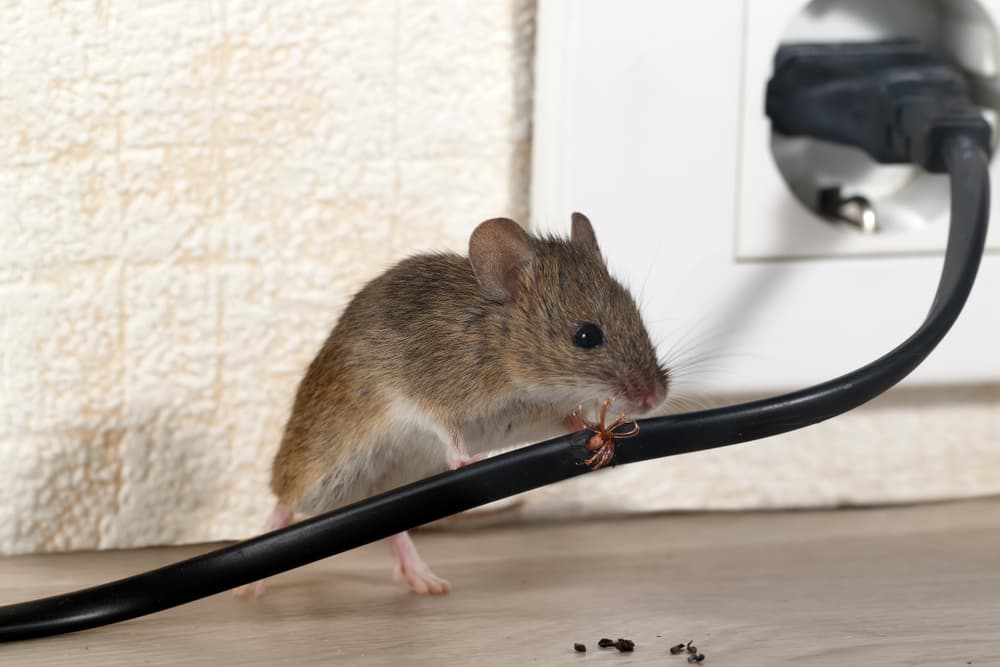
These unwelcome guests carry dangerous diseases like leptospirosis and salmonella, which can contaminate surfaces through their droppings and urine. Roof rats are also prolific gnawers, capable of chewing through wires, wood, and insulation. This behavior creates fire hazards and significant property damage, making early action vital.
Spotting the Signs
Roof rats are excellent climbers and often go undetected until infestations worsen. Warning signs may include:
- Droppings in the attic or roofline
- Scratching noises in walls or ceilings
- Gnawed wires or insulation
Act Now for Your Safety
Early detection and quick action can prevent costly damage and protect your health. Consider eco-friendly pest control solutions that are safe for your family, pets, and the environment. Staying vigilant ensures peace of mind and a rat-free home.
Roof Rats in Portland Homes
Understanding Roof Rats
To control roof rats effectively, it’s essential to understand their characteristics, habits, and preferences.
What Do Roof Rats Look Like?
Roof rats have dark brown or black fur and large, thin ears. Their tails are often longer than their bodies, which sets them apart from other rodent species. Their sleek bodies allow them to squeeze into surprisingly tight spaces.
Where Do They Live?
These pests prefer elevated spaces like attics, roofs, and trees. Unlike Norway rats, which tend to burrow underground, roof rats thrive in high and hidden areas, making them harder to detect.
What Do They Eat?
Roof rats are opportunistic eaters. Their diet includes fresh fruits, vegetables, grains, and even scraps from garbage bins. If accessible, pet food and crumbs in your kitchen are also a feast for these pests.
How Roof Rats Enter Your Home
Understanding how roof rats gain access to your home can help you secure your property against them.
Cracks and Gaps
Roof rats use gaps just over ½ inch wide to enter your home. Cracks in siding, foundation openings, or unsealed vents provide the perfect entry points for these clever climbers.
Overhanging Trees and Power Lines
Branches and utility wires act as highways for roof rats, allowing them to leap onto rooftops and sneak into your home.
Unsecured Food Sources
Improperly stored food, open trash bins, and neglected outdoor pet bowls are magnets for roof rats, quickly inviting them onto your property.
The Dangers of Roof Rats
Roof rats may be small, but the risks they pose to your home and family are anything but. These agile rodents not only bring health hazards but also leave behind a trail of property damage and contamination.
Health Risks
Roof rats are notorious carriers of diseases that put your family’s health in jeopardy. They transmit illnesses such as salmonella through contaminated food and kitchen surfaces. Worse yet, leptospirosis, a bacteria found in their urine, can lead to severe health complications if not addressed promptly.
Property Damage
These rodents chew through almost anything, from electrical wires to wooden structures and insulation. This destructive behavior can lead to costly damages and even create fire hazards due to exposed wiring.
Unsanitary Conditions
Roof rats leave behind droppings and urine that contaminate the spaces they inhabit. This creates an unhealthy environment in your home, spreading bacteria and making it unsafe and unsanitary.
Protecting your home from roof rats is essential for both your family’s safety and the integrity of your property. Consider eco-friendly pest control solutions that not only effectively address infestations but also align with safety and sustainability values.
Signs of a Roof Rat Infestation
Detecting roof rats in the early stages can prevent major issues down the road. Here’s what you should watch for:
Droppings and Gnaw Marks
Droppings along walls, in cabinets, and near food sources are a common sign. Bite marks on wires, furniture, or food packaging can also indicate their presence.
Noises in the Attic
Roof rats are most active at night. Scratching, scurrying, or squeaking sounds from your attic or walls often signal activity.
Nests and Tracks
Nests made from shredded materials like paper or leaves may appear in secluded corners. Grease marks along walls and beams are often left wherever roof rats travel.
Portland Roof Rats Treatment
DIY Roof Rat Control: Why It’s Not Enough
While DIY methods may seem tempting, they often fall short when dealing with roof rats for several reasons.
Traps and Baits
Store-bought traps and baits might eliminate a few rats but often fail to address infestations completely. Roof rats are cautious and can avoid certain traps if they detect a threat.
Sealing Entry Points
Closing off every potential entry point is a challenging task that requires a trained eye. Even one missed gap can allow roof rats back in.
The Risk of Incomplete Removal
DIY methods often result in incomplete removal, allowing reproductive rats to quickly rebuild their colony and resume their damage.
The Benefits of Professional Roof Rat Removal
Partnering with pest control experts ensures comprehensive results that protect your home and health.
Thorough Inspections
Professionals inspect every corner of your property, identifying both active infestations and vulnerable entry points.
Effective Removal Methods
Experts use advanced traps, baits, and removal techniques tailored to the specific behavior of roof rats.
Long-Term Prevention
With professional guidance, your home becomes less attractive to roof rats, reducing the likelihood of future infestations.
Eco-Friendly Solutions for Roof Rat Control
Sustainable pest control options offer effective results without relying on harsh chemicals.
Why Go Green?
Eco-friendly pest control protects the environment while keeping your family and pets safe from harmful exposure to toxins.
Humane Trapping and Exclusion
Professionals focus on humane methods, such as live traps and sealing entry points to ensure rats are removed safely.
Protecting the Ecosystem
Eco-conscious pest control minimizes harm to beneficial wildlife and works to maintain local biodiversity.
Tips for Preventing Roof Rats
Simple preventative measures can go a long way in keeping roof rats at bay.
Trim Trees and Shrubs
Keep branches and vegetation at least 3 feet away from your home’s roof and walls to eliminate rat pathways.
Secure Food and Trash
Store food in sealed containers, and keep garbage bins tightly covered to prevent attracting roof rats.
Inspect and Seal Entry Points
Conduct regular home inspections to locate and seal gaps, vents, and cracks that serve as entryways.

Roof Rats Infestation Treatment
EcoCare Pest Control: Your Reliable, Eco-Friendly Roof Rat Solution
Dealing with a roof rat infestation? EcoCare Pest Control has the expertise and environmentally conscious services to protect your home and family without compromising the planet.
Why Choose EcoCare?
- Eco-Friendly Solutions: Your safety and the environment are our top priorities. We use sustainable pest control methods that effectively tackle infestations while being safe for your family and pets.
- Comprehensive Expertise: Our experienced professionals don’t just eliminate roof rats; we address the root of the problem. With thorough inspections, tailored treatments, and proactive prevention strategies, we ensure the pests stay gone.
- Committed to Sustainability: We believe in creating long-lasting, eco-conscious solutions. That’s why our team incorporates humane and effective pest management techniques to align with your values and protect your home.
Protect Your Home with Confidence
Whether it’s sealing entry points, removing roof rats, or keeping them from coming back, you can trust EcoCare to deliver results. Safe, effective, and sustainable solutions are just one call away.
Protect Your Home from Roof Rats
From significant health risks to costly property damage, roof rats are pests you can’t afford to ignore. Awareness and prompt action are key to minimizing their impact. Preventative measures can help, but professional pest control is the most reliable option for root-to-tip infestation elimination.
EcoCare Pest Control offers the expertise and eco-friendly services you need to eliminate roof rats and protect your home for the long-term. Schedule your consultation today and enjoy a safe, rat-free living environment!
650 NE Holladay St Suite 1600, Portland, OR 97232, United States
(360) 702-3555
