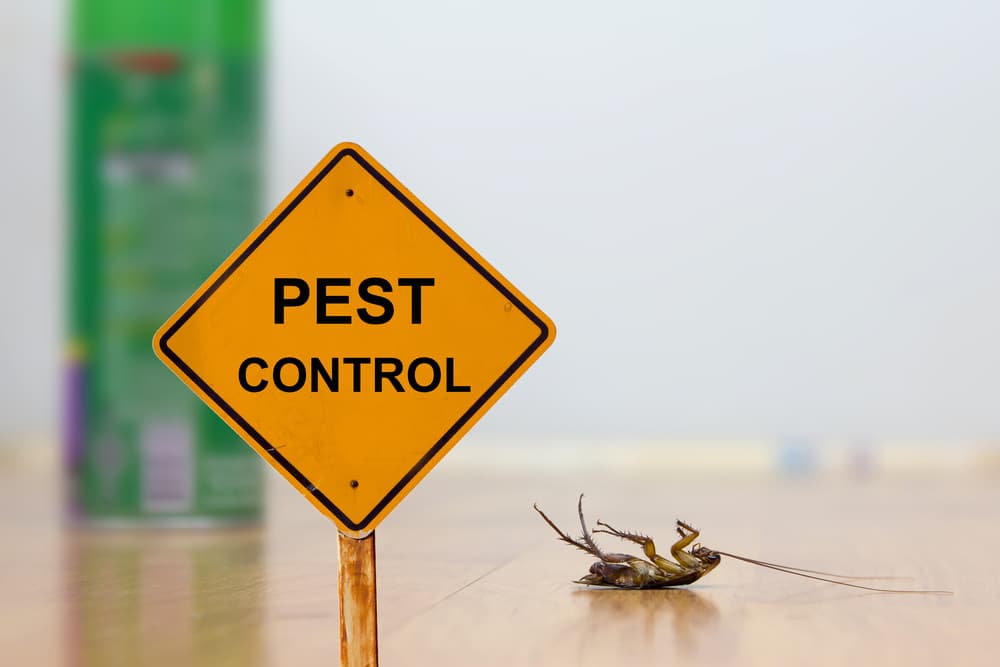
by Pest Control | Jul 17, 2025 | Pest Control
DIY Cockroach Treatments vs. Hiring a Roach Exterminator: What Really Works?
Dealing with cockroaches can be daunting, as they pose health risks and multiply quickly. Homeowners must choose between DIY treatments or hiring a professional cockroach exterminator. DIY methods like sprays and traps are budget-friendly but may not always be effective, while professionals offer expertise at a higher cost. This guide explores the pros and cons of both approaches to help you make a safe, cost-effective decision to eliminate roaches and reclaim your home.
Understanding Cockroach Infestations
Before choosing a treatment method, it’s crucial to understand what you’re dealing with. Several cockroach species commonly invade homes, each with unique behaviors that affect treatment strategies.
Common Household Cockroach Species
There are several cockroach species that frequently infest homes, each requiring specific methods for effective management. The German cockroach is one of the most prevalent, known for its small size, light brown coloring, and rapid reproduction. American cockroaches, on the other hand, are larger and reddish-brown, often found in warm, damp areas like basements and sewers. Oriental cockroaches are shiny and black, preferring cooler, moist environments. Lastly, the brown-banded cockroach is smaller and easily identified by the distinct light bands across its wings. Recognizing the species present is essential for selecting the right treatment strategy.
Health Risks and Warning Signs
Cockroach infestations pose significant health risks due to their ability to contaminate food, utensils, and surfaces. They can spread bacteria such as Salmonella and E. coli, lead to foodborne illnesses, and exacerbate allergies and asthma, especially in children. Warning signs of an infestation include droppings that resemble coffee grounds or black pepper, musty odors caused by their secretions, and the appearance of shed skins or egg casings. Actively monitoring these indicators can help you identify an infestation early and mitigate the associated health risks.
Roach Exterminator for Cockroach Infestation
DIY Cockroach Treatments
Many homeowners start with do-it-yourself solutions due to their accessibility and lower upfront costs. Understanding the available options and their limitations helps you make informed decisions about tackling roach problems independently.
Common DIY Methods
- Bait Stations – Pre-packaged bait stations are a popular choice. These products attract cockroaches to ingest poison, which they then carry back to their colony.
- Gel Baits – Applied in small crevices and cracks, gel baits are an effective way to target hidden roaches.
- Diatomaceous Earth (DE) – A natural alternative, DE is a powder that dehydrates and kills roaches when they come into contact with it.
- Homemade Traps – Sticky traps or jar traps baited with food can capture roaches for easy disposal.
- Borax and Sugar Mix – This DIY poison takes advantage of borax’s lethal effect, combined with sugar to attract cockroaches.
Step-by-Step DIY Treatment Plan
Identify the Infestation Area
Locate the main areas where roaches are active, typically kitchens, bathrooms, or basements. Check for droppings, egg cases, and hiding spots in dark corners and tight spaces.
Declutter and Clean
Remove clutter where roaches can hide and clean up food scraps or water sources. This step ensures the roaches are drawn to baits instead of finding easy nourishment elsewhere.
Apply DIY Solutions
Use a combination of bait stations, gel baits, and diatomaceous earth in and around the identified infestation areas. Target cracks, crevices, and hidden corners.
Monitor Activity
Place sticky traps near suspected nests to monitor roach numbers and activity levels over time. Adjust your approach if necessary.
Seal Entry Points
After reducing their population, seal cracks, holes, or gaps around doors, windows, and plumbing to prevent future infestations.
Pros and Cons of DIY Treatments
Pros:
- Cost-Effective: DIY methods are generally cheaper than hiring professionals.
- Accessibility: Most materials, like baits and traps, are readily available at stores or online.
- Control: You can target specific areas or tailor methods to your particular situation.
- Eco-Friendly Options: Some DIY solutions, like diatomaceous earth, are natural and less harmful to the environment.
Cons:
- Time-Intensive: DIY treatments require ongoing monitoring and repeated applications to remain effective.
- Variable Effectiveness: Not all infestations respond well to DIY approaches, especially severe ones involving large colonies.
- Limited Knowledge: Without professional expertise, critical hiding spots or root causes of infestations may be missed.
- Health Risks: Misusing chemicals or baits can pose risks to children and pets.
Assessing your infestation and weighing these pros and cons can help you determine if a DIY approach is right for your situation or if professional assistance might be more appropriate.
Hiring a Roach Exterminator
Professional pest control becomes necessary when DIY methods fail or when infestations are too severe for homeowner treatment. Understanding when to call professionals and what to expect from their services helps you make timely decisions.
When to Consider Professional Help
You should consider hiring a professional exterminator if your roach infestation persists despite repeated DIY efforts or if the infestation is severe and widespread. Large numbers of roaches, sightings during the day, or discovering egg cases and droppings in multiple areas of your home are clear signs that professional help is needed. Additionally, if you are dealing with health concerns, allergies, or require immediate relief, a professional can efficiently address the issue.
The Professional Pest Control Process
When you hire a professional pest control service, they will typically follow a structured approach to eliminate the infestation. First, they will inspect your home to assess the severity of the problem and identify the source or entry points. Following the inspection, they will develop a tailored treatment plan, often combining chemical sprays, baits, or traps, depending on the situation. After the treatment, they may provide follow-up services and share preventative tips to ensure the infestation doesn’t return.
Benefits of Professional Services
Professional pest control services offer several advantages over DIY approaches. Exterminators have access to highly effective, commercial-grade treatments that are not readily available to the public. They are trained to handle pest infestations safely while minimizing harm to your household and pets. Additionally, their expertise allows them to tackle infestations more efficiently, potentially saving you time, effort, and money in the long run. By trusting professionals, you gain peace of mind knowing the issue is addressed thoroughly and effectively.

Cockroach Infestation Treatment Service
Cost Comparison: DIY vs. Professional
Understanding the true costs of both approaches requires looking beyond initial expenses to consider time investment, effectiveness, and long-term results.
DIY Treatment Costs
DIY pest treatments may seem cost-effective at first, with common expenses like sprays, traps, or baits easily purchased from local stores. However, recurring issues often require multiple purchases, quickly adding up. Beyond the upfront costs, there are hidden expenses: the time spent researching solutions, applying products, and dealing with trial-and-error results. Ineffective treatments can prolong infestations, leading to more stress and higher costs over time.
Professional Service Costs
Professional pest control services may involve higher upfront costs, typically depending on the severity of the infestation and the provider. However, these services offer significant benefits, including detailed inspections, tailored treatment plans, and guaranteed results that minimize the chance of recurring problems. Experts use specialized equipment and eco-friendly techniques often unavailable to households. Additionally, the time saved and the peace of mind that comes from knowing the issue is resolved effectively often make the initial investment well worth it.
Long-Term Cost Analysis
Professional pest control treatments often prove more cost-effective over time due to their higher success rates and comprehensive approaches. A single professional treatment may prevent years of ongoing DIY expenses and eliminate the need for repeated attempts.
Consider also the potential costs of untreated infestations. Roaches contaminate food, trigger medical expenses for allergy sufferers, and can damage property through their droppings and feeding habits. Professional elimination prevents these ongoing costs.
Preventing Future Infestations
Prevention remains the most cost-effective approach to cockroach control, whether you choose DIY or professional treatment. Implementing comprehensive prevention strategies protects your investment in elimination efforts.
Essential Prevention Strategies
Eliminate food sources by storing all food in sealed containers, cleaning up crumbs immediately, and avoiding leaving dirty dishes overnight. Pay special attention to pet food, which attracts roaches just as effectively as human food.
Address moisture problems that create attractive environments for roaches. Fix leaky pipes, improve ventilation in humid areas, and eliminate standing water around your property. Roaches need water more than food, making moisture control critical for prevention.
Seal entry points using caulk, weatherstripping, and screens to prevent roach access. Focus on areas around plumbing, electrical outlets, and exterior doors where roaches commonly enter homes.
Maintenance and Monitoring
Regular home cleaning schedules help maintain roach-free environments. Weekly deep cleaning of kitchens and bathrooms, monthly basement and storage area inspections, and quarterly exterior maintenance create ongoing barriers to infestation.
Monitor for early warning signs through regular inspections of high-risk areas. Catching problems early allows for simpler, less expensive treatments regardless of whether you choose DIY or professional approaches.
Document your prevention efforts and any signs of roach activity. This information proves valuable if you need professional services later and helps track the effectiveness of your prevention strategies.
EcoCare Pest Control: Your Professional Solution
When DIY methods fall short, EcoCare Pest Control offers the expertise and tools necessary to eliminate stubborn cockroach infestations. Our comprehensive approach addresses both immediate problems and long-term prevention.
Why Choose EcoCare Pest Control
EcoCare Pest Control combines years of experience with cutting-edge treatment methods to deliver guaranteed results. Our technicians undergo continuous training to stay current with the latest pest control innovations and safety protocols.
We use environmentally responsible treatment methods that protect your family and pets while effectively eliminating cockroaches. Our integrated pest management approach minimizes chemical usage while maximizing treatment effectiveness.
Customer satisfaction drives everything we do. Our service guarantees ensure your peace of mind, and our follow-up programs prevent re-infestations that could undermine your investment in professional treatment.
Our Comprehensive Service Approach
EcoCare Pest Control begins every treatment with thorough property inspections that identify all factors contributing to your roach problem. We examine areas most homeowners miss and develop customized treatment plans for your specific situation.
Our treatment protocols combine multiple approaches for maximum effectiveness. We use targeted baiting systems, residual insecticides, growth regulators, and exclusion techniques to eliminate existing colonies and prevent new infestations.
Follow-up services ensure lasting results. We monitor treatment effectiveness, make necessary adjustments, and provide ongoing prevention advice to keep your home roach-free long-term.

Cockroach Infestation Treatment Expert
Making the Right Choice for Your Home
The choice between DIY cockroach treatments and professional extermination depends on the severity of the infestation, your time, and expertise. DIY methods may work for minor problems, but larger infestations often need professional help for permanent results. While DIY might seem cheaper upfront, professional services can be more cost-effective long-term by addressing the root causes. Act quickly, as roach populations grow fast. Contact EcoCare Pest Control for a thorough inspection and tailored treatment to eliminate the problem for good.
650 NE Holladay St Suite 1600, Portland, OR 97232, United States
(360) 702-3555

by Pest Control | Jul 15, 2025 | Pest Control
Cockroach infestation treatment starts with understanding why roaches are in your home, how they get inside, and what it takes to eliminate them for good.
Few household problems are as unsettling as discovering roaches scurrying across your kitchen floor at midnight. These resilient pests don’t just appear randomly—they’re drawn to specific conditions that many homes unknowingly provide. Understanding what attracts roaches and how they gain entry is the first step toward effective cockroach infestation treatment and permanent elimination.
Roaches pose serious health risks beyond the obvious disgust factor. They carry bacteria, trigger allergies, and contaminate food surfaces. The good news? With the right cockroach infestation treatment plan, you can eliminate these unwanted guests and prevent their return.
This comprehensive guide will walk you through everything you need to know about roach infestations. You’ll learn to identify common species, understand what draws them to your space, and discover both DIY and professional cockroach infestation treatment options to reclaim your home.

Common Roach Species to Know for Cockroach Infestation Treatment
Not all roaches are created equal. Different species have varying preferences for food, shelter, and living conditions. Identifying the type of roach you’re dealing with helps determine the most effective cockroach infestation treatment approach.
German Cockroaches
German cockroaches are the most common indoor species and the hardest to eliminate. These light brown insects measure about half an inch long and feature two dark stripes behind their heads. They prefer warm, humid areas like kitchens and bathrooms.
What makes German roaches particularly problematic is their rapid reproduction rate. A single female can produce up to 400 offspring in her lifetime. They rarely venture outdoors, making your home their permanent residence once established, which is why targeted cockroach infestation treatment is crucial.
American Cockroaches
American cockroaches are the largest common household species, reaching up to two inches in length. These reddish-brown insects prefer basements, sewers, and other damp areas.
Unlike German roaches, American cockroaches can fly short distances. They often enter homes through drains, pipes, and foundation cracks. While they don’t reproduce as quickly as German roaches, their size and flying ability make them particularly startling to encounter and an important focus in any cockroach infestation treatment plan.
Oriental Cockroaches
Oriental cockroaches, sometimes called “water bugs,” are dark brown or black and measure about one inch long. They thrive in cool, damp environments like basements, crawl spaces, and around plumbing fixtures.
These roaches move more slowly than other species and can’t climb smooth surfaces well. They’re often found at ground level and emit a strong, musty odor that becomes noticeable during heavy infestations—another sign that professional cockroach infestation treatment may be needed.
Cockroach Infestation Treatment Starts with Knowing What Attracts Roaches
Roaches don’t invade homes randomly. They’re searching for three basic necessities: food, water, and shelter. Unfortunately, most homes provide all three in abundance. Effective cockroach infestation treatment focuses on removing these incentives.
Food Sources
Roaches aren’t picky eaters. They’ll consume almost anything organic, including crumbs, grease, pet food, and even non-food items like soap and toothpaste. Common food attractants include:
-
Dirty dishes left in the sink overnight
-
Tiny crumbs under appliances or in corners
-
Pet food bowls left out overnight
-
Grease buildup around stoves and cooking areas
Roaches can detect these food sources from considerable distances using their sensitive antennae. Reducing access to food is a key step in cockroach infestation treatment.
Water and Moisture
Water is essential for roach survival, and they can detect moisture from far away. Common water sources include:
-
Leaky pipes under sinks
-
Condensation around air conditioning units
-
Pet water bowls and plant saucers
-
Standing water in floor drains or unused sinks
Bathrooms with poor ventilation maintain the humid conditions roaches prefer. Standing water in floor drains or unused sinks creates perfect breeding environments and often requires more intensive cockroach infestation treatment.
Shelter and Hiding Places
Roaches seek dark, warm hiding spots during daylight hours. They prefer tight spaces where they feel secure from predators. Common hiding places include:
-
Cluttered storage areas
-
Cardboard boxes, paper bags, and stacks of magazines
-
Gaps behind appliances
-
Cracks in walls, loose baseboards, and gaps around pipes
Even small crevices can house multiple roaches and their egg cases. Eliminating these hiding spots is an essential part of cockroach infestation treatment.
How Roaches Enter Your Home
Understanding roach entry points helps you seal vulnerabilities and prevent future infestations. These persistent pests can squeeze through surprisingly small openings, which is why a thorough inspection is part of any complete cockroach infestation treatment.
Cracks and Gaps
Roaches can fit through openings as thin as a credit card. Common entry points include:
-
Foundation cracks that allow easy access from outdoor populations
-
Gaps around windows and doors
-
Spaces around utility lines and pipes
-
Worn or missing weather stripping under doors
-
Cracks where walls meet floors
Sealing these areas is a simple but powerful cockroach infestation treatment and prevention step.
Plumbing and Drainage Systems
Sewer systems and drainage networks connect properties and allow roaches to travel between buildings. They can enter through:
-
Floor drains in basements and utility rooms
-
Gaps around pipes where they enter walls
-
Damaged sewer lines
-
Bathroom and kitchen drains, especially if P-traps dry out
Addressing these issues helps protect your home and supports any other cockroach infestation treatment methods you’re using.
Hitchhiking
Roaches often arrive as unwelcome passengers on items brought into your home:
-
Used appliances and furniture
-
Grocery bags and cardboard boxes
-
Moving boxes from infested areas
-
Even occasional packages (though this is less common)
Inspecting items before bringing them inside is a simple way to support your overall cockroach infestation treatment strategy.
Cockroach Infestation Treatment
Now that you know what attracts roaches and how they get in, you can focus on cockroach infestation treatment options. Many homeowners prefer to try do-it-yourself methods before calling professionals. While DIY approaches can be effective for small infestations, they require patience and persistence.
DIY Cockroach Infestation Treatment Options
Boric Acid Treatments
Boric acid is one of the most effective DIY roach control methods. This naturally occurring mineral damages roaches’ digestive systems and exoskeletons. Mix boric acid with attractive baits like sugar or flour.
Apply thin layers in areas where roaches travel, such as along baseboards and behind appliances. Avoid thick piles, as roaches will simply walk around them. Keep boric acid away from children and pets and use it as part of a broader cockroach infestation treatment plan.
Gel Baits and Bait Stations
Commercial gel baits contain slow-acting poisons that roaches carry back to their nests, eliminating entire colonies. Place small dots of gel bait in cracks, crevices, and areas where you’ve seen roach activity.
Bait stations provide a contained way to deliver poison baits. Place stations along walls and in corners where roaches travel. Replace baits according to manufacturer instructions to keep your cockroach infestation treatment effective.
Diatomaceous Earth
Food-grade diatomaceous earth damages roaches’ exoskeletons, causing dehydration. Sprinkle thin layers in areas where roaches travel, focusing on cracks and crevices.
This method works slowly and requires roaches to walk through the powder. Reapply after cleaning or if the powder becomes wet. Diatomaceous earth works best when combined with other cockroach infestation treatment methods.
Essential Oil Repellents
Some essential oils may help repel roaches, though they’re not as effective as other methods. Peppermint oil, tea tree oil, and cypress oil are commonly recommended.
Mix oils with water in spray bottles and apply to potential entry points. Reapply frequently, as oils evaporate quickly and lose effectiveness. These sprays are best seen as a supplement—not a standalone cockroach infestation treatment.
Sticky Traps
Sticky traps help monitor roach activity and can capture some roaches, but they won’t eliminate infestations on their own. Place traps along walls and in corners where roaches travel.
Check traps regularly and replace when full. Use trap results to identify heavily infested areas that need additional cockroach infestation treatment.

Cockroach Infestation Treatment Service: When to Call Professional Exterminators
While DIY methods can handle minor roach problems, severe infestations require professional intervention. Knowing when to call experts can save time, money, and frustration.
Signs You Need Professional Help
You likely need professional cockroach infestation treatment if:
-
You see roaches during daylight hours (a sign of overcrowded hiding places)
-
You find egg cases (oothecae) around your home
-
You notice multiple roach species
-
You smell strong, musty odors from roach pheromones
-
DIY treatments have failed after several weeks
At this point, professional cockroach infestation treatment is usually the fastest and most reliable option.
Cockroach Infestation Treatment Expert: Benefits of Professional Extermination
Professional pest control technicians offer several advantages over DIY approaches. Licensed technicians have access to more effective treatments and can identify all infestation sources.
EcoCare Pest Control provides comprehensive inspections to locate hiding places and entry points you might miss. Their targeted treatments address specific roach species and infestation levels as part of a complete cockroach infestation treatment plan.
Professional services include follow-up visits to ensure complete elimination. EcoCare’s technicians can also identify and address underlying conditions that attract roaches, providing long-term solutions rather than temporary fixes.
What to Expect from Professional Cockroach Infestation Treatment
Professional roach control typically involves multiple visits over several weeks. Initial treatments focus on eliminating existing populations using professional-grade baits and insecticides.
Follow-up visits monitor progress and address any remaining activity. Technicians will also seal entry points and provide recommendations for preventing future infestations as part of a comprehensive cockroach infestation treatment strategy.
EcoCare Pest Control offers ongoing maintenance programs to keep your home roach-free year-round. Their integrated approach combines effective treatments with prevention strategies tailored to your specific situation.
Prevention Tips to Keep Roaches Away After Cockroach Infestation Treatment
Prevention is always easier and more cost-effective than elimination. These strategies will make your home less attractive to roaches and reduce the likelihood of future infestations.
Eliminate Food Sources
-
Store all food in sealed containers, including pet food and birdseed.
-
Clean up crumbs and spills immediately.
-
Don’t leave dirty dishes in the sink overnight.
-
Wipe down counters and stovetops after cooking to remove grease and food residue.
-
Empty garbage cans regularly and use tight-fitting lids.
-
Sweep and mop floors regularly, especially under appliances and in corners.
These simple habits support any cockroach infestation treatment by denying roaches easy access to food.
Reduce Moisture and Water Sources
Fix leaky pipes and faucets promptly. Ensure proper ventilation in bathrooms and kitchens to reduce humidity levels.
Don’t leave pet water bowls out overnight, and empty plant saucers regularly. Run water in rarely used drains periodically to maintain P-trap seals.
Use dehumidifiers in damp basements and crawl spaces. Address drainage problems around your home’s foundation to support long-term cockroach infestation treatment success.
Seal Entry Points
Inspect your home’s exterior for cracks and gaps, sealing them with caulk or steel wool. Install or repair weather stripping around doors and windows.
Screen vents and openings, and seal gaps around utility lines entering your home. Repair damaged window and door screens.
Fill cracks in walls and gaps around baseboards. Pay special attention to areas around plumbing fixtures and appliances—key highways for roaches that any cockroach infestation treatment must address.
Reduce Clutter and Hiding Places
Declutter storage areas and dispose of unnecessary cardboard boxes and paper bags. Store items in plastic containers rather than cardboard when possible.
Keep areas behind appliances clean and accessible for regular cleaning. Don’t allow newspapers, magazines, or other paper products to accumulate.
Maintain organized storage areas that are easy to clean and inspect regularly to support ongoing cockroach infestation treatment and prevention.

Taking Control of Your Roach Problem
Remember that successful cockroach infestation treatment requires addressing all three elements: elimination, exclusion, and prevention. Focus on removing existing populations, sealing entry points, and eliminating the conditions that attract roaches in the first place.
For persistent or severe infestations, don’t hesitate to contact professionals like EcoCare Pest Control. Their expertise and specialized treatments can resolve problems that DIY methods can’t handle, saving you time and ensuring complete elimination.
Start implementing these strategies today, and you’ll be well on your way to a roach-free home that you can enjoy with confidence and peace of mind.
EcoCare Pest Control
https://www.google.com/maps?cid=17946645834923414878
650 NE Holladay St Suite 1600, Portland, OR 97232, United States
(360) 702-3555
https://ecocarepestcontrol.com/

by Pest Control | Jul 1, 2025 | Pest Control
Signs of Bed Bugs: How to Know If You Have Bed Bugs (10 Clues, Risks & Fast Fixes)
Spotting the signs of bed bugs early is crucial. These small, reddish‑brown insects feed on human blood at night and can multiply quickly, turning a minor issue into a widespread infestation. Recognizing early signs of bed bugs helps you act fast, protect your home, and regain peace of mind.
Early identification matters because these insects reproduce rapidly—a single female can lay hundreds of eggs over her lifetime. Left unchecked, bed bugs spread from bedrooms to living spaces, closets, and even adjacent units. When you know the early signs of bed bugs, you can prevent weeks of stress and higher treatment costs.
10 Proven Signs of Bed Bugs You Can Spot Fast
Knowing the signs of bed bugs lets you intervene before the situation escalates.
1) Live bed bugs
Adults are oval, flat, and roughly ¼–⅜ inch long—apple‑seed sized. After feeding, they look swollen and more reddish.
2) Dark fecal spots
Tiny, ink‑like dots on sheets, mattress seams, bed frames, and nearby furniture.
3) Rust‑colored smears
Reddish or rust stains on linens and mattresses, often from crushed bugs after feeding.
4) Shed skins (exuviae)
Translucent, shell‑like casings nymphs leave behind as they grow.
5) Eggs and eggshells
Whitish, about 1 mm, tucked into cracks and crevices near sleeping areas.
6) Bite patterns
Lines or clusters (often “breakfast, lunch, and dinner”) on arms, shoulders, neck, or face.
7) Itchy, persistent welts
Small, red bumps with a darker center that can take days to fade—some people show delayed reactions or none at all.
8) Musty, sweet odor
A stronger sweet/musty scent from scent glands—more noticeable in heavier infestations.
9) Blood specks on pillowcases
Small red dots or smears appearing after sleep.
10) Activity near beds and sofas
Findings along mattress seams, box springs, headboards, couch cushions, curtain hems, carpet edges, and even around outlet plates.
If you observe multiple signs of bed bugs, move quickly to inspection and treatment.
Bed Bug Treatment
Risks Associated with Bed Bugs
Health implications
Bites can cause itching and discomfort; excessive scratching may lead to secondary infection. Some individuals experience stronger allergic reactions. Airborne particles from fecal matter and shed skins may aggravate respiratory conditions.
Psychological impact
Anxiety around sleep and insomnia are common during infestations and can affect overall well‑being.
Property & financial costs
Missing early signs of bed bugs allows them to spread, increasing the scope and cost of treatment. Severely infested items may need to be discarded.
How to Check for Bed Bugs: A Step‑by‑Step Inspection Guide
To confirm the signs of bed bugs, perform a careful inspection.
Bedroom inspection
Strip the bed and examine mattress seams (especially at the head). Use a flashlight to inspect the box spring—corners, staples, and fabric junctions—plus the bed frame and headboard. Check nightstands, dressers, curtain hems, carpet edges, and outlet covers.
Expanding your search
If you find evidence, continue to living rooms (couch seams and zipper areas), closets (especially where clothing touches floors/walls), guest rooms, and kids’ rooms—anywhere people sit or sleep. If you’ve traveled, inspect luggage and clothing since bugs often hitchhike.
Documentation & monitoring
Photograph suspicious findings. Interceptors under bed legs or sticky monitors near likely harborages can help confirm activity and track progress after treatment—especially useful when signs of bed bugs are subtle.
Treatment Options: From DIY to Professional Solutions
Once the signs of bed bugs are confirmed, act promptly. Options range from DIY tactics to comprehensive professional approaches.
DIY Treatment Methods
Bed Bug Treatment Service
DIY methods for minor issues
-
High‑heat laundry: Wash in hot water (≥120°F) and dry on high heat for ≥30 minutes.
-
Vacuuming: Thoroughly vacuum mattresses, furniture, baseboards, and crevices; immediately seal and discard vacuum contents.
-
Stiff‑brush scrubbing: Loosen eggs along mattress seams before vacuuming.
-
Diatomaceous earth (food‑grade): Apply lightly to cracks and crevices; avoid airborne dust and keep away from children and pets.
-
Steam: Use a steamer producing ≥160°F, moving slowly so heat penetrates seams and folds.
DIY work requires persistence and repeat passes. Always follow label and safety directions.
Professional solutions for comprehensive control
-
Whole‑room heat: Industrial heaters bring rooms to ~120–140°F for several hours to eliminate all life stages when done correctly.
-
Targeted chemical applications: Professional‑grade materials and strategies address resistance and hard‑to‑reach harborages.
-
Integrated Pest Management (IPM): Combines inspection, preparation, heat/chemical tactics, and ongoing monitoring for complete results after confirming signs of bed bugs.
Why Choose EcoCare Pest Control
When selecting a professional solution, EcoCare Pest Control offers certified technicians, advanced methods, and detailed inspections to size the problem accurately and create a customized plan. Eco‑friendly options are prioritized when possible to protect your family and pets while maintaining strong results. You’ll receive clear preparation instructions, follow‑up checks, prevention guidance, and service guarantees for lasting peace of mind.
Prevention Strategies
Bed Bug Treatment Expert
Reduce the chances of future signs of bed bugs with these habits:
-
Travel smart: Inspect hotel mattress seams and upholstered furniture; keep luggage on hard surfaces or in the bathroom.
-
Declutter sleeping areas: Fewer hiding spots make inspections easier and treatments more effective.
-
Be cautious with second‑hand items: Inspect and, when practical, heat‑treat mattresses and upholstered furniture before bringing them inside.
-
Use encasements: Mattress/box‑spring encasements can trap existing bugs and block new harborages.
-
Schedule routine checks: Periodic inspections catch early signs of bed bugs before populations expand.
Taking Action Against Bed Bugs
After spotting signs of bed bugs, pair thorough cleaning with methodical follow‑through:
-
Hot‑wash & high‑heat dry bedding, curtains, and washable clothing.
-
Vacuum carpets, furniture, baseboards, and cracks; promptly seal and discard vacuum contents.
-
Declutter to reduce hiding places and speed inspections.
-
Spot‑treat with steam or carefully applied desiccants where activity is found.
-
Call a licensed professional for moderate to severe cases—comprehensive inspection and multi‑method treatment deliver the most reliable results.
-
Monitor and follow up to confirm elimination and avoid re‑infestation—especially if new signs of bed bugs appear.
EcoCare Pest Control
https://www.google.com/maps?cid=17946645834923414878
650 NE Holladay St Suite 1600, Portland, OR 97232, United States
(360) 702-3555
https://ecocarepestcontrol.com/

by Pest Control | Jun 26, 2025 | Pest Control
Are Chemical Pesticides Safe? The Truth About Eco-Friendly Alternatives
Have you ever wondered what’s really in the pesticides used around your home? More and more homeowners are questioning the safety of traditional chemical pesticides—and for good reason. These products, while effective at eliminating pests, can pose risks to children, pets, and even the environment.
Why does this matter? Pesticides don’t just disappear after application. They can linger in the air, settle into soil, and even find their way into your home. This post will explore the truth about chemical pesticides, their potential risks, and how eco-friendly alternatives offer a safer, smarter solution for pest control.
Understanding Chemical Pesticides and Their Impact
Chemical pesticides are effective at targeting pests, but they can also pose risks to humans, animals, and the environment. Here’s what you need to know:
Common Ingredients in Pesticides
Many chemical pesticides contain compounds like organophosphates, pyrethroids, or carbamates. These substances are designed to disrupt the nervous systems of pests, effectively paralyzing or killing them. However, they don’t differentiate between pests, humans, or animals, meaning unintended exposure can have harmful effects on non-target species.
How Chemical Pesticides Work
The mechanism behind these pesticides is powerful but indiscriminate. While their primary aim is to target specific pests, their active ingredients can also interfere with the nervous systems of others, including pets and even humans, raising safety concerns.
Potential Points of Exposure
Pesticides don’t just disappear after application. Residues can remain on treated surfaces, seep into soil, and even become airborne, potentially exposing your family, pets, and surroundings over time. This lingering presence makes pesticide use a consideration not just for effectiveness but also for long-term health and environmental safety.
Transitioning to safer, eco-friendly pest control alternatives can help protect your home while reducing risks. Seeking experts who specialize in sustainable, low-impact methods can make a difference. By choosing smarter, safer pest control solutions, you can protect your family and the planet.

Chemical Pest Control
Hidden Risks of Chemical Pesticides to Your Loved Ones
Chemical pesticides can impact more than just pests. They pose hidden risks to your children, pets, and even the air inside your home. Understanding these risks can help you protect your loved ones.
Children Are Most Susceptible
Children’s small bodies and developing organs make them particularly vulnerable to toxins. Everyday activities like crawling on treated floors or placing hands in their mouths can lead to higher chemical exposure, which may affect their health over time.
Pets Face Serious Risks
Dogs, cats, and other pets are at risk too. They can walk, roll, or lick areas that have been treated with pesticides, leading to accidental ingestion. Prolonged exposure can result in a range of issues, from mild skin irritation to serious health problems.
Indoor Air Quality Matters
Pesticide vapors can linger in your home, affecting air quality. This can trigger respiratory issues, especially for family members with asthma or allergies. The invisible impact may persist long after treatment.
For a safer home environment, consider alternatives to chemical pesticides and focus on natural or eco-friendly pest control solutions. Protecting your loved ones starts with informed choices.
Environmental Impact of Chemical-Based Pest Control
Chemical pesticides may seem like an easy solution for tackling pests, but their effects can ripple far beyond the boundaries of your home. Here are three significant ways they harm the environment:
1. Contaminated Water and Soil
When it rains or during irrigation, pesticides can be washed into nearby waterways, seeping into groundwater. This contamination endangers aquatic ecosystems, putting fish, plants, and other marine life at risk. Contaminated soil can also make it harder for plants to grow and negatively impact local agriculture.
2. Harm to Beneficial Insects
Bees, butterflies, and other essential pollinators are often the unintended victims of chemical pesticides. These insects play a critical role in maintaining healthy ecosystems and enabling food production. Their decline can have far-reaching consequences, topping the list of environmental concerns.
3. Disruption of Natural Ecosystems
Pesticides are known to disrupt predator-prey relationships. Certain chemicals can eliminate natural predators that would otherwise keep pest populations in check. Ironically, this imbalance can cause pest numbers to rise over time, creating a cycle of dependency on even more pesticide use.
Shifting to eco-friendly pest control alternatives can help protect the environment and maintain healthier, more sustainable ecosystems. By considering safer solutions, we safeguard not only our homes but also the world around us.
The Safer Side of Pest Control: Eco-Friendly Alternatives
Eco-friendly pest control offers a solution that’s both effective and safe for your family and the environment. Here’s what makes it different:
What Makes Them Different
Eco-friendly options rely on natural ingredients, targeted applications, and prevention techniques rather than harsh chemicals.
How They Work
These solutions disrupt pest life cycles, block access points, and repel pests without harming your home or family.
When They’re Effective
With proper use and professional guidance, eco-friendly methods can match—or even exceed—the effectiveness of traditional pesticides.

organic Pest Control Treatment
The Benefits of Eco-Conscious Pest Management
Eco-friendly pest control is more than just a trend; it’s a smart choice for your home and family. By choosing sustainable methods, you’re investing in safety, health, and a greener future. Here’s how eco-conscious pest management makes a difference:
Healthier Indoor Spaces
Traditional pest control often involves chemicals that leave behind strong fumes and residues. Eco-conscious methods, on the other hand, effectively manage pest issues without compromising indoor air quality. You’ll enjoy a fresher, cleaner, and safer living environment.
Safe for Pets and Kids
Active households with curious pets and children need extra care. Eco-friendly solutions use low-risk, natural ingredients that minimize exposure while maintaining effectiveness. It’s peace of mind knowing your loved ones are protected.
Sustainability and Prevention
Eco-conscious pest control doesn’t just address the current problem; it helps reduce your environmental impact. With smarter, preventive approaches, these solutions focus on breaking pest cycles for long-term protection, leaving a healthier planet for future generations.
Choosing a Safer Pest Control Provider
When it comes to pest control, choosing a provider committed to safety and sustainability is crucial. Asking the right questions can ensure your choice aligns with eco-conscious practices and meets your needs. Here’s a structured guide to help you evaluate your options:
Product Transparency
A trustworthy provider should openly share the ingredients in their products and explain their application methods. Transparency ensures you’re informed about the chemicals used in and around your property.
Integrated Pest Management (IPM) Practices
Does the provider rely solely on chemical treatments, or do they implement IPM? A responsible company will incorporate strategies like inspection, prevention, and monitoring to minimize pesticide use and offer a long-term solution.
Education and Preventive Support
A reputable provider should do more than offer treatments. Do they explain the methods they use? Are they proactive in offering tips to prevent future infestations? Comprehensive support ensures you’re equipped to maintain a pest-free environment.
Selecting an eco-conscious pest control provider doesn’t have to be overwhelming. Focusing on transparency, sustainable techniques, and a commitment to education will guide you toward a safer choice for your home and the environment.
Why Families Trust EcoCare Pest Control for Safe Alternatives
When it comes to eco-friendly pest control, EcoCare Pest Control is a trusted name for families. Here’s why:
Science-Backed Approach
EcoCare uses green solutions designed to treat pests while protecting your family’s health. Their methods are rooted in science and tailored to your home’s unique needs.
Minimal Chemical Use
By practicing Integrated Pest Management (IPM), EcoCare reduces dependence on chemicals, focusing instead on prevention and targeted treatments.
Community Values
As a family-focused, eco-conscious provider, EcoCare combines safety with proven results. Their commitment to the environment and your family’s well-being sets them apart.
Comprehensive Services
EcoCare offers:
- Screen inspections and minor repairs
- Full pest control treatments using eco-friendly products
- Custom prevention plans to keep pests away for good

Green Pest Control
Maintenance Tips to Keep Your Home Pest-Free
Want to minimize pests without relying on chemicals? Follow these simple tips:
- Seal Entry Points: Check for gaps around doors, windows, and vents, and seal them to block pest access.
- Keep It Clean: Regularly clean your home to remove food crumbs and other attractants.
- Eliminate Standing Water: Pests like mosquitoes and ants are drawn to water sources, so fix leaks and empty standing water.
- Use Natural Repellents: Essential oils like peppermint and citronella can help repel pests naturally.
Rethinking Safety in Pest Control
Pest control is not just about using harmful chemicals to get rid of unwanted pests. It’s important to think about the safety and well-being of both humans and the environment before implementing any pest control measures.
By sealing entry points, keeping our homes clean, eliminating standing water, and using natural repellents, we can minimize the need for harsh chemicals and still effectively manage pest problems. This approach not only protects us from potential health hazards but also ensures that we are taking care of our planet.
Want a safer, smarter approach to pest control? Contact EcoCare Pest Control today for eco-friendly treatments that keep your home protected—without putting your loved ones at risk.
650 NE Holladay St Suite 1600, Portland, OR 97232, United States
(360) 702-3555
by Pest Control | Jun 24, 2025 | Pest Control
Why Eco-Friendly Pest Control Is Better for Your Family & Pets
Protecting your home from pests is essential for maintaining a healthy and comfortable living environment. However, traditional pest control methods often come with hidden risks. Chemical sprays and harsh pesticides may be effective at eliminating pests, but they can also leave behind toxic residues harmful to children, pets, and even the environment.
Fortunately, there’s a safer alternative. Eco-friendly pest control offers the same effective results without compromising the well-being of your loved ones. By focusing on sustainable, low-toxicity solutions, this approach eliminates pests while creating a healthier home for your family and furry friends. Here, we’ll explore the significant advantages of eco-friendly pest control, how it works, and why EcoCare Pest Control sets the standard for family-safe solutions.
Understanding the Basics of Eco-Friendly Pest Control
Eco-friendly pest control is a modern, science-based method that prioritizes safety and sustainability without sacrificing effectiveness. Through innovative techniques and a focus on prevention, this approach delivers long-term protection against pests.
What Is Eco-Friendly Pest Control?
Eco-friendly pest control uses natural, minimally invasive solutions that reduce the reliance on toxic chemicals. Core principles include:
- Integrated Pest Management (IPM): A preventive strategy that combines physical, biological, and mechanical controls to address pest problems sustainably.
- Biological Controls: Introducing natural predators or beneficial organisms to manage pest populations.
- Exclusion Techniques: Sealing entry points and creating physical barriers to prevent pests from entering your home.
Why It Matters
Unlike traditional methods that often address only the symptoms of an infestation, eco-friendly pest control targets the root causes. By identifying and fixing vulnerabilities in your home—like poor sanitation, unsealed cracks, or moisture issues—these methods prevent re-infestations and foster a safer, healthier living environment.
Eco-Friendly Pest Control
Healthier Living Spaces for Children and Babies
Young children and babies are especially vulnerable to toxins due to their developing immune systems and tendency to explore their surroundings. Eco-friendly pest control ensures that your home remains free of harmful chemicals, protecting even the most vulnerable members of your family.
Lower Chemical Exposure
Traditional pesticides may contain harmful compounds that can irritate skin, disrupt respiratory health, or even affect childhood development. Eco-friendly methods eliminate this concern by using plant-based or reduced-toxicity formulas.
No Lingering Toxins
Because eco-friendly treatments avoid heavy chemicals, parents don’t have to worry about dangerous residues on carpets, furniture, or toys. This ensures a safe play environment for children.
Peace of Mind for Parents
Green pest control empowers parents to maintain a pest-free home without turning their living spaces into hazardous zones. It’s a proactive way to balance health, safety, and effective pest management.
Pet-Safe Pest Control That Protects Your Loved Ones
Your pets are part of your family, and they deserve the same level of care and safety when it comes to pest control. Eco-friendly pest solutions are designed to protect your beloved animals while eliminating pests, ensuring your home remains safe and stress-free.
Avoid the Hazards of Toxic Traps and Sprays
Many traditional pest control methods, such as chemical-laden traps and sprays, can pose risks to curious cats and dogs. Eco-friendly alternatives rely on non-toxic solutions that effectively target pests without endangering your pets.
Gentle, Pet-Safe Formulas for Cats and Dogs
Conventional pest control products often ignore the sensitivities of animals, leading to unnecessary risks or adverse reactions. EcoCare utilizes gentle, pet-conscious formulations that keep your furry companions safe while maintaining a pest-free home.
Outdoor Safety with Lawn-Friendly Options
Pest control shouldn’t compromise outdoor play areas. Instead of exposing pets to harmful lawn chemicals, EcoCare offers solutions that are both effective and safe for your outdoor spaces, ensuring your yard remains an enjoyable haven for your pets.
With EcoCare Pest Control, you’re investing in a home that values safety, sustainability, and smart solutions. Contact us today to discover how our pet-safe pest control methods can bring peace of mind to your household.
Eco-Friendly Pest Control That Lasts
Smarter Solutions for Reliable Results
Eco-friendly pest control service doesn’t compromise effectiveness for safety. On the contrary, it offers long-lasting results by addressing the root causes of infestations. From minimizing treatments to reducing pesticide resistance, sustainable methods elevate pest management to a smarter, safer level.
Tackle the Root of the Problem
Rather than relying on frequent treatments, eco-friendly pest control focuses on eliminating the conditions that attract pests. By addressing issues like moisture, clutter, and entry points, it prevents pests from invading your home in the first place.
Precise, Targeted Treatments
Traditional pest control often involves widespread chemical spraying that can affect your entire home environment. Eco-friendly solutions, however, rely on pinpoint accuracy, applying treatments only where needed to eliminate pests while keeping your living space safe for loved ones.
Reduce Pesticide Resistance
Overuse of traditional pesticides can cause pests to develop immunity, making future treatments less effective. Eco-friendly methods, which integrate natural, non-toxic ingredients, minimize this risk. The result? Consistently effective pest control you can count on.
By choosing eco-friendly pest control, you’re not only safeguarding your home but also prioritizing your family’s well-being and the environment. It’s time to make the shift to smarter, safer solutions.
Eco-Friendly Pest Control Expert
Sustainability and Environmental Benefits
Eco-friendly pest control doesn’t just protect your family—it also contributes to a healthier planet. By reducing chemical use and prioritizing environmentally conscious practices, this approach helps preserve nature for future generations.
Protecting Pollinators and Beneficial Species
Traditional pesticides often harm non-target insects like bees, butterflies, and birds—which are essential for pollination and ecological balance. Eco-friendly methods avoid this collateral damage, ensuring that beneficial species continue to thrive.
Cleaner Soil and Water
Chemical pesticides can contaminate soil and water systems through runoff, affecting gardens, local wildlife, and even drinking water supplies. Eco-friendly solutions reduce this contamination, maintaining a cleaner and safer ecosystem.
Supporting Green Living
Switching to eco-friendly pest control aligns with other sustainable lifestyle choices, helping families minimize their environmental footprint while protecting their homes.
How to Transition to Eco-Friendly Pest Control
Switching to eco-friendly pest control is simpler than you might think, and with the right approach, it offers lasting benefits for your home and the environment. Follow these steps to ensure a smooth and effective transition.
1. Choose a Trusted Provider
Look for companies specializing in eco-friendly practices, such as Integrated Pest Management (IPM). A legitimate provider will focus on sustainable, low-impact methods and offer full transparency about their products and processes.
2. Ask Essential Questions
When evaluating pest control providers, make sure they can answer key questions:
- “Are your products safe for children and pets?”
- “How do you prevent pests from returning?”
- “Can you tailor solutions to my home’s unique needs?”
These inquiries will help you find professionals committed to both effective and safe pest control solutions.
3. Start with an Inspection
A comprehensive inspection is the foundation of any eco-friendly pest control plan. Expert technicians will assess your property, identify pest entry points, and develop a customized strategy that uses safe, science-backed methods to tackle infestations and prevent future issues.
Transitioning to eco-friendly pest control is a meaningful step toward protecting your family and contributing to a healthier planet. Partner with a reliable expert like EcoCare Pest Control to ensure safe, effective, and sustainable solutions for your home.
EcoCare Pest Control: Sustainable Solutions for Your Family
EcoCare Pest Control is redefining pest management with sustainable, family-focused solutions. We prioritize safety for your household and the environment without sacrificing effectiveness.
Protect What Matters Most
Our treatments are designed with your family and pets in mind. By using non-toxic materials and safe application techniques, we ensure your home stays pest-free without compromising health or well-being.
Proven Science, Smarter Methods
EcoCare combines trusted pest control techniques with cutting-edge innovations. Backed by the latest research, our methods address the root causes of pest problems, providing long-lasting solutions while minimizing unnecessary risks.
Reliable Local Expertise
With years of experience serving the community, our skilled team offers personalized, eco-friendly pest management tailored to your needs. From eliminating entry points to preventing future infestations, we deliver results you can count on.
Choose EcoCare Pest Control to safeguard your home and contribute to a healthier planet. Smarter solutions, safer practices, and unwavering commitment—that’s what sets us apart.
Green Pest Control Treatment Expert
Safer Homes Start with Smarter Pest Control
Choosing eco-friendly pest control is not just a healthier option; it’s a forward-thinking investment in your family’s well-being and the environment. With solutions that prioritize safety, sustainability, and effectiveness, green pest control proves that you don’t have to compromise to keep pests at bay.
Want to protect your family and pets without harsh chemicals? Contact EcoCare Pest Control today to learn how our eco-friendly services create cleaner, safer homes that stay pest-free—naturally. Take the first step toward a healthier, happier home with EcoCare’s reliable and responsible pest management solutions.
650 NE Holladay St Suite 1600, Portland, OR 97232, United States
(360) 702-3555

by Pest Control | Jun 19, 2025 | Pest Control
How Integrated Pest Management Keeps Your Home Pest-Free Naturally
When it comes to protecting your home from pests, many homeowners believe traditional pest control methods are the way to go. But heavy reliance on chemical sprays can fall short, often exposing families, pets, and the environment to unnecessary risks—all without guaranteeing long-term results. That’s where Integrated Pest Management (IPM) comes in.
IPM is a smarter, safer, and more sustainable approach that focuses on prevention, monitoring, and strategic interventions to control pests effectively. With IPM, you don’t just treat the symptoms of infestations—you address their root causes and prevent them from coming back. This article explores how IPM works, its numerous benefits, and why it’s the best choice for a pest-free home that’s safe for your family and kind to the environment.
What Is Integrated Pest Management (IPM)?
Integrated Pest Management (IPM) is a science-based pest control strategy designed to keep homes and properties pest-free while minimizing the use of harmful chemicals. Unlike traditional methods that rely heavily on pesticides, IPM employs a combination of preventive measures, careful monitoring, and targeted treatments to protect your home over the long term.
Core Principles of IPM
- Prevention First: IPM prioritizes stopping pests before they become a problem by addressing entry points, food sources, and shelter.
- Observation and Monitoring: Regular inspections and pest monitoring allow professionals to detect issues early and adapt strategies as needed.
- Least-Toxic Intervention: Chemical treatments are used only as a last resort and applied in a highly targeted way to ensure safety.
How IPM Works in Homes
IPM starts with a detailed inspection of your property to uncover where pests are entering, what’s attracting them, and how they’re surviving in your home. By understanding these factors, IPM focuses on eliminating the conditions pests thrive in, such as sealing cracks, addressing moisture issues, and removing food sources.
Long-Term Thinking
What sets IPM apart from conventional methods is its long-term approach. Instead of treating pests after they’ve invaded, IPM prevents infestations from happening in the first place. This not only keeps your home pest-free but also reduces the need for recurring emergency treatments.

Integrated Pest Management
Effective Pest Management Starts with Prevention
Integrated Pest Management (IPM) emphasizes a proactive approach to keep pests out of your home while safeguarding the environment. Here’s how prevention can make all the difference:
Seal Entry Points
Pests like ants, rodents, and spiders often sneak in through cracks, gaps around doors or windows, and unsealed vents. With IPM, professionals identify and seal these hidden entryways, reducing the chances of pests infiltrating your space.
Maintain Proper Sanitation
Food crumbs, open containers, and standing water create perfect conditions for pests to thrive. Keep pests at bay by:
- Storing food in airtight containers
- Fixing leaky faucets
- Cleaning surfaces regularly and decluttering spaces
These simple habits can drastically reduce pest-friendly environments.
Care for Your Yard and Exterior
Unkempt yards often lead to pest infestations. Overgrown vegetation, woodpiles near your home, and stagnant water serve as breeding grounds for pests. Regularly trim bushes, remove debris, and drain standing water to prevent pests from nesting near your home.
By focusing on these eco-friendly prevention methods, you’ll protect your home in a sustainable way. For tailored pest management and green solutions, consider partnering with experienced IPM professionals who prioritize safety and long-term results.
Monitoring and Identification for Targeted Pest Control
Integrated Pest Management (IPM) relies on precise monitoring to craft effective, eco-friendly pest control strategies. Here’s how expert observation translates into targeted action.
Routine Inspections
Regular inspections are the foundation of proactive pest management. By identifying early warning signs like droppings, nests, or structural damage, IPM professionals can address issues before infestations spiral out of control.
Accurate Pest Identification
Every pest requires a distinct treatment strategy. Proper species identification ensures the use of the least invasive and most effective solution, minimizing impact on your home and environment.
Tracking Pest Behavior
Understanding pest activity is key to delivering timely interventions. IPM techniques like traps, logs, or digital monitoring systems capture data on pest movements, helping professionals determine the ideal moment and method for action.
By combining these methods, Integrated Pest Management tackles issues head-on, protecting your home while prioritizing environmental safety.
Effective and Low-Impact Pest Control with IPM
Integrated Pest Management (IPM) is designed to tackle pest issues while prioritizing safety, effectiveness, and environmental care. By balancing various methods, IPM ensures that treatments are both targeted and minimally invasive. Here’s how it works:
Biological Controls
Using nature’s own methods, IPM introduces beneficial organisms to manage pests. Solutions like nematodes combat soil-dwelling pests, while ladybugs effectively reduce aphid populations in gardens.
Mechanical Solutions
Simple, non-chemical approaches like traps, physical barriers, and exclusion techniques play a key role in minimizing pest activity. These measures safeguard your home while keeping your family and pets safe.
Selective Pesticide Use
When chemical pest control treatments are unavoidable, IPM employs the least toxic, highly targeted options. For instance, bait gels or localized sprays are applied in problematic areas, reducing exposure and ensuring safety.
Why Precision Matters
IPM thrives on monitoring and accurate identification to address pest issues strategically. Routine inspections and behavior tracking reveal early signs of infestations, enabling timely interventions that minimize harm to your home and the environment.
By combining these thoughtful strategies, IPM delivers effective pest control while maintaining a focus on long-term safety and ecological balance.
Pest Control Service
Why IPM is Better for Your Family, Pets, and the Planet
Integrated Pest Management (IPM) isn’t just effective; it’s a smarter, safer solution for households that care about health, safety, and sustainability. Here’s why it stands out:
Reduced Chemical Exposure
IPM prioritizes prevention and low-impact techniques over chemicals. It minimizes pesticide use, making it safer for families with children, pets, or individuals sensitive to allergens and respiratory conditions.
Environmentally Friendly
Unlike conventional pest control methods, IPM focuses on eco-friendly practices that reduce harm to the environment. With fewer chemicals, soil, water, and air remain uncontaminated, while beneficial insects like bees and butterflies are left unharmed.
Tailored Pest Control
IPM thrives on a strategy of monitoring and precision. This approach targets pests where and when they pose risks, ensuring that treatments are specific and minimally invasive. Methods like biological controls, traps, and selective pesticide use further enhance its effectiveness while keeping your family and pets safe.
Peace of Mind, Guaranteed
By choosing IPM, you’re not just solving pest problems; you’re also investing in your family’s well-being and a healthier planet. It’s pest control that works efficiently while giving you confidence in your home’s safety.
When it comes to balancing effectiveness with care for your loved ones and the environment, IPM remains the ultimate choice.
How to Get Started with IPM in Your Home
If you’re ready to adopt a smarter approach to pest control, starting with IPM is easy.
Choose the Right Provider
Look for a licensed, eco-conscious pest control company that specializes in IPM and adheres to trusted industry standards.
Ask the Right Questions
During consultations, ask providers:
- “How do you prioritize prevention over chemical treatments?”
- “Do you offer pest monitoring and exclusion repair services?”
- “Do your methods comply with EPA guidelines for eco-friendly practices?”
Schedule an Inspection
A thorough home inspection is the first step toward an effective IPM plan. It identifies vulnerabilities and provides a clear roadmap for keeping your home pest-free.
Why Choose EcoCare Pest Control for IPM?
EcoCare Pest Control stands as a trusted name in Integrated Pest Management (IPM), delivering pest control solutions that are effective, safe, and environmentally responsible. Here’s what sets them apart:
Decades of Proven Results
With years of expertise, EcoCare employs science-backed methods to prevent and manage pest infestations effectively. Their team has earned a reputation for successfully safeguarding homes without relying on excessive chemical use.
A Tailored, Client-First Approach
EcoCare goes beyond pest control. Their process is built around you, providing personalized plans and ongoing support. Every solution is designed with transparency and education in mind, ensuring you feel confident every step of the way.
A Commitment to Sustainability
EcoCare understands the importance of balancing pest control with environmental stewardship. Their IPM approach minimizes chemical exposure, protects beneficial insects, and uses eco-friendly practices to keep your home pest-free while safeguarding the planet’s health.
By choosing EcoCare Pest Control, you’re not just solving a pest problem. You’re investing in a healthier home, protecting your loved ones, and supporting sustainable

Pest Control Treatment
Smarter Pest Control Starts with IPM
Integrated Pest Management is more than a pest control strategy—it’s a proactive, environmentally responsible philosophy that combines prevention, precision, and safety. By addressing pest problems at their source and using the least invasive treatments, IPM offers homeowners a natural, long-lasting way to protect their families and properties.
Want to explore smarter pest control for your home? Contact EcoCare Pest Control today to schedule a home inspection and discover how IPM can naturally keep your home pest-free year-round. With EcoCare, you can create a safer, healthier environment for your loved ones while maintaining peace of mind knowing your pest control plan is as kind to the planet as it is to your household.
650 NE Holladay St Suite 1600, Portland, OR 97232, United States
(360) 702-3555
