
by Pest Control | Jul 3, 2025 | Rodents Control
Roof Rats vs. Norway Rats: What’s Invading Your Attic?
Scratching sounds overhead. Mysterious droppings scattered around your kitchen. Chewed packaging in your pantry. These telltale signs point to one unwelcome reality: rats have moved into your home.
But not all rats are created equal. Two species dominate American households—roof rats vs Norway rats—and each brings its own set of challenges. While both can cause significant property damage and pose serious health risks, their behaviors, preferred habitats, and infestation patterns differ dramatically.
Physical Appearance: Key Features That Set Them Apart
The easiest way to distinguish between roof rats and Norway rats lies in their physical characteristics. These differences are so pronounced that even a quick glimpse can help you identify your unwanted houseguests.
Roof Rats: Built for Climbing
Roof rats, also known as black rats or ship rats, are the smaller of the two species. Adults typically measure 6 to 8 inches in body length, with their most distinctive feature being an exceptionally long tail that exceeds their body length by 1 to 2 inches. This tail serves as a crucial balancing tool for their aerial lifestyle.
Their fur ranges from black to dark brown, though some individuals display gray coloring. Roof rats have large, prominent ears relative to their head size, and their eyes are notably large and bulging. Their bodies are sleek and slender, perfectly adapted for squeezing through tight spaces and navigating narrow pathways.
Norway Rats: The Heavyweight Champions
Norway rats, commonly called brown rats or sewer rats, are significantly larger and more robust. Adults reach 7 to 10 inches in body length, with stockier builds that reflect their ground-dwelling lifestyle. Their tails are notably shorter than their bodies, typically measuring 6 to 8 inches.
These rats sport coarser fur in shades of brown and gray, with lighter coloring on their bellies. Their ears are smaller and proportionate to their heads, while their eyes appear smaller compared to roof rats. Norway rats have blunt snouts and a more muscular appearance overall.
Roof Rats vs. Norway Rats
Behavioral Differences: Where They Live and What They Do
Understanding rat behavior patterns reveals why identification matters so much for effective control. These species have developed distinctly different survival strategies that directly impact where you’ll find them and how they’ll interact with your home.
Roof Rats: The High-Rise Specialists
Roof rats are exceptional climbers with an instinctive preference for elevated locations. They scale trees, utility lines, and building exteriors with remarkable agility, earning their common name through their tendency to infest attics, roof spaces, and upper floors of buildings.
These rats are predominantly nocturnal and extremely cautious around new objects or food sources—a behavior called neophobia. They prefer fresh fruits, vegetables, nuts, and grains, often traveling considerable distances from their nests to forage. Roof rats establish multiple feeding sites and follow the same routes repeatedly, creating visible grease marks along walls and beams from their oily fur.
Their nests are typically constructed in high, secluded areas using shredded materials like insulation, paper, and fabric. Dense vegetation, palm trees, and ivy-covered walls provide ideal outdoor nesting sites, while indoor infestations center around attics, wall voids, and overhead spaces.
Norway Rats: The Underground Network
Norway rats are powerful diggers and swimmers who prefer ground-level habitats. They excavate extensive burrow systems along building foundations, beneath concrete slabs, and in crawl spaces. These rats are more aggressive and less wary of new situations compared to their tree-dwelling cousins.
Their diet is more varied and opportunistic, including meat, fish, grains, and garbage. Norway rats are excellent swimmers and often inhabit sewer systems, basements, and areas near water sources. They’re also more likely to live in large colonies with complex social hierarchies.
Norway rat nests are typically found in ground-level locations: basements, crawl spaces, dense vegetation at ground level, and burrows extending 2 to 4 feet underground. They prefer areas with easy access to food and water sources.
Geographic Distribution: Where Each Species Thrives
Geographic location plays a significant role in determining which rat species you’re likely to encounter. While both species have spread worldwide, they show distinct preferences for climate and habitat conditions.
Roof Rats: Warm Climate Specialists
Roof rats thrive in warm, coastal regions and are most prevalent in the southern United States. They dominate infestations in California, Florida, Texas, and along the Gulf Coast. These rats struggle in cold temperatures and rarely establish permanent populations in areas with harsh winters.
Urban and suburban areas with abundant vegetation, fruit trees, and palm trees provide ideal roof rat habitat. They’re particularly common in Mediterranean-style climates with mild winters and dry summers.
Norway Rats: Cold Weather Survivors
Norway rats demonstrate greater cold tolerance and are the primary rat species in northern states and colder climates. They’re widespread throughout the Midwest, Northeast, and Pacific Northwest. These rats thrive in urban environments and are especially common in densely populated cities with extensive sewer systems.
Norway rats adapt well to various climates but reach their highest populations in temperate regions with access to reliable food and shelter sources.
Signs of Infestation: Identifying the Evidence
Different rat species leave different calling cards. Learning to read these signs helps confirm which species has invaded your space and guides your response strategy.
Roof Rat Evidence
Roof rat droppings are elongated and curved, measuring about ½ inch in length with pointed ends. Fresh droppings appear dark and moist, while older ones become gray and crumbly. You’ll typically find these droppings in elevated areas: attics, along roof lines, in overhead storage areas, and near climbing routes.
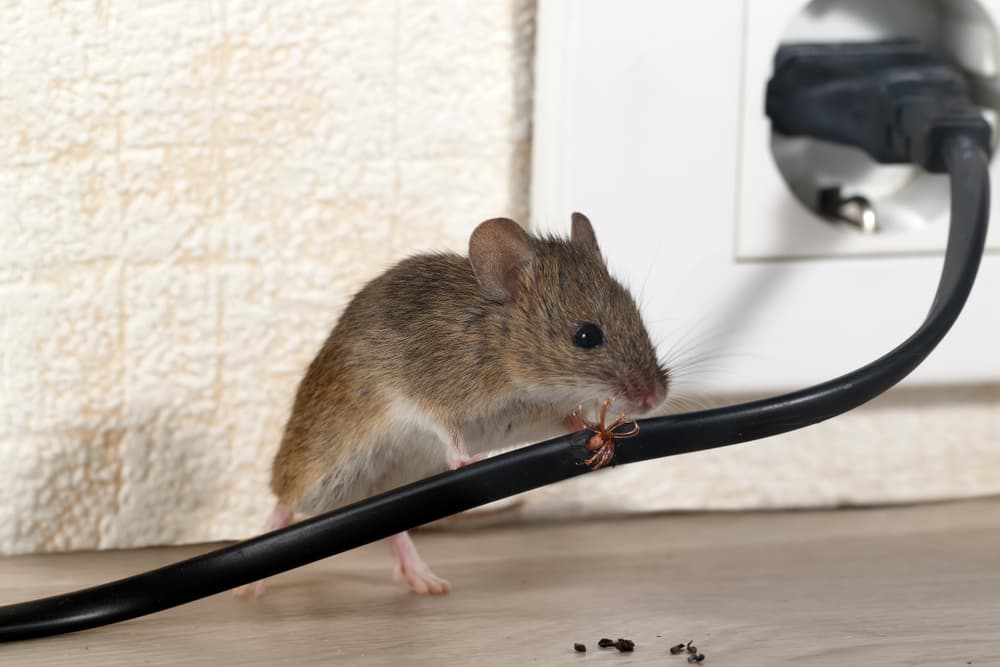
Gnaw marks from roof rats appear as small, clean holes in wood, plastic, and soft metals. They often chew through electrical wiring, creating fire hazards. Their grease marks appear as dark smudges along walls, beams, and pipes where their oily fur makes repeated contact.
Roof rats create nests using shredded insulation, paper, fabric, and plant materials in secluded, elevated locations. You might also notice partially eaten fruits and nuts, particularly citrus fruits, with hollow interiors.
Norway Rat Evidence
Norway rat droppings are larger, blunt-ended, and capsule-shaped, measuring about ¾ inch in length. These droppings typically appear in ground-level areas: basements, crawl spaces, along walls, and near food sources.
Their gnaw marks are larger and more destructive, capable of chewing through thick wood, plastic, and even soft concrete. Norway rats leave broader grease marks due to their larger size and create more obvious runways along walls and foundations.
Norway rat nests appear as burrows in soil, piles of debris in basements or storage areas, and dense collections of nesting materials in ground-level hiding spots. You might also notice small piles of dirt near foundation walls, indicating fresh burrow construction.

Roof Rats & Norway Rats Treatment
Dangers and Health Risks: Why Professional Action Matters
Both roof rats and Norway rats pose serious health risks to humans and pets. These dangers extend far beyond property damage, making prompt, professional intervention essential for protecting your family’s wellbeing.
Disease Transmission
Rats serve as vectors for numerous diseases through multiple transmission pathways. Direct contact with rat urine, droppings, or saliva can transmit hantavirus, leptospirosis, and rat-bite fever. Airborne particles from dried rat waste can cause respiratory infections when inhaled during cleanup activities.
Both species carry fleas and mites that can spread additional diseases to humans and pets. Historically, rats played a crucial role in spreading plague, and while modern outbreaks are rare, the risk hasn’t disappeared entirely.
Property Damage and Fire Risks
Rats cause extensive structural damage through their constant gnawing behavior. They chew through electrical wiring, creating serious fire hazards that cause thousands of house fires annually. Insulation damage reduces energy efficiency and creates costly repair bills.
Water damage occurs when rats chew through plumbing pipes, while contamination of stored food and surfaces creates ongoing health hazards. The accumulated cost of rat damage often exceeds thousands of dollars before homeowners realize the extent of the infestation.
Contamination Concerns
Rat urine and droppings contaminate surfaces throughout infested homes. These contaminants trigger allergic reactions and asthma attacks, particularly in children and sensitive individuals. Professional cleaning and decontamination become necessary to restore safe living conditions.
Prevention Tips: Keeping Rats Out of Your Home
Effective rat prevention requires addressing the fundamental needs that attract these pests: food, water, and shelter. A comprehensive prevention strategy targets all three elements while creating physical barriers to entry.
Eliminate Food Sources
Store all food items in sealed, rat-proof containers made of glass or heavy plastic. Clean up crumbs and spills immediately, and avoid leaving pet food out overnight. Secure garbage cans with tight-fitting lids, and maintain clean areas around bird feeders.
For roof rats specifically, harvest fruits and nuts promptly, and clean up fallen produce from trees and gardens. Remove dense vegetation near your home that provides cover and food sources.
Remove Water Access
Fix leaky pipes, faucets, and irrigation systems promptly. Eliminate standing water around your property, including clogged gutters and drainage areas. Store water in covered containers, and address moisture problems in basements and crawl spaces.
Block Entry Points
Conduct a thorough inspection of your home’s exterior, sealing any gaps larger than ¼ inch with steel wool and caulk. Pay special attention to areas where utilities enter your home, gaps around doors and windows, and openings in the roof or foundation.
For roof rats, trim tree branches that hang within 6 feet of your roofline, and install guards on utility lines. For Norway rats, focus on ground-level exclusion, including sealing cracks in foundations and installing door sweeps.
Habitat Modification
Remove clutter from storage areas that provide nesting sites. Keep vegetation trimmed away from your home’s exterior, and eliminate brush piles and debris where rats can hide. Maintain clean, organized spaces that make rat activity more visible and less attractive.
Professional Extermination: When to Call the Experts
While minor rat problems might seem manageable with DIY solutions, most infestations require professional intervention to achieve complete elimination. Understanding when to call experts can save time, money, and health risks.
Signs You Need Professional Help
Multiple rats seen during daylight hours indicate a large, established population. Continued evidence of rat activity despite your prevention efforts suggests the infestation has grown beyond DIY control. Structural damage, extensive contamination, or health concerns warrant immediate professional assessment.
Professional exterminators possess specialized knowledge, tools, and products unavailable to homeowners. They can identify entry points you might miss, develop comprehensive rat treatment strategies, and provide ongoing monitoring to prevent reinfestation.

Roof Rats & Norway Rats Treatment Service
Benefits of Choosing EcoCare Pest Control
EcoCare Pest Control offers specialized rat control services that address both immediate elimination and long-term prevention. Their experienced technicians can accurately identify rat species, assess infestation severity, and develop customized treatment plans for your specific situation.
EcoCare’s approach combines advanced detection methods, targeted baiting strategies, and comprehensive exclusion services. They use environmentally responsible products and methods that protect your family and pets while effectively eliminating rat populations.
Their service includes thorough property inspections, identification of entry points, professional-grade exclusion work, and ongoing monitoring to ensure complete elimination. EcoCare also provides detailed cleanup and decontamination services to restore safe, healthy living conditions.
Most importantly, EcoCare offers warranty protection and follow-up services to prevent reinfestation. Their local expertise means they understand the specific rat species and challenges common to your area, ensuring more effective treatment outcomes.
Take Action: Protect Your Home and Family
Don’t let rats establish permanent residence in your home. Contact EcoCare Pest Control today for a thorough inspection and customized rat treatment plan. Their experienced team will identify your specific rat species, eliminate the current infestation, and implement prevention strategies to keep your home rat-free.
650 NE Holladay St Suite 1600, Portland, OR 97232, United States
(360) 702-3555
by Pest Control | Jun 10, 2025 | Rodents Control
Rodent-Proofing 101, How to Keep Your Home Safe from Mice & Rats
Rodents are more than just a nuisance; they can pose serious health risks and cause significant damage to your home if left unchecked. Mice and rats chew through wires, contaminate food, and spread diseases, making them unwanted guests in any household. While spotting a mouse scurrying across your kitchen floor might feel like an isolated incident, chances are, there’s more lurking out of sight.
The good news? Rodent infestations are entirely preventable. By taking proactive measures and understanding how to rodent-proof your home, you can protect your family, property, and peace of mind. This guide breaks down the essentials of rodent proofing, from identifying entry points to knowing when to call in professional help.
Why Rodent Control Matters
Health Risks of Rodents
Rodents are more than just a nuisance; they’re also dangerous carriers of diseases. They can spread illnesses such as hantavirus, leptospirosis, and salmonella, all of which can be harmful to humans and pets. Kids and pets, in particular, are at risk of exposure due to their playful nature and tendency to touch everything. For example, dried mouse droppings or urine can release particles into the air that cause hantavirus when inhaled. The connection between rodents and serious health risks makes it crucial for every family to stay vigilant.
Economic Impact of Infestations
Beyond health concerns, rodents are costly invaders. The damage caused by their constant gnawing and nesting habits racks up repair bills for homeowners. Electrical wiring, insulation, and wooden fixtures are all common victims of rodent activity. Add to this the expense of replacing contaminated food or taking care of medical issues tied to infestations, and the financial toll grows quickly.
Rodent-Proofing Guide
How to Spot a Rodent Infestation Early
Common Signs of Rodent Activity
Being able to identify the early warning signs of a rodent problem can prevent infestation. Keep an eye out for:
- Droppings: Small, pellet-shaped droppings are a clear indicator. You’ll most often find them in kitchen cabinets, basements, or near food storage areas.
- Gnaw Marks: Rodents chew on everything to keep their teeth sharp. Look for marks on furniture, wires, or even walls.
- Nests: Often made from shredded paper, fabric, or insulation, nests may be hidden in dark corners or behind appliances.
- Unusual Sounds: Scratching or scurrying noises, especially at night, could mean rodents are making themselves at home.
Behavioral Clues
Rodents are nocturnal, so they’re most active at night. If you notice activity during the day, it may mean there’s already a significant infestation. They also tend to avoid open spaces, sticking to walls or hidden areas as they travel through your home.
Monitoring Techniques
Simple monitoring tools can help confirm whether you have a problem. Place traps or bait stations in suspected rodent hotspots to see if there’s activity. You can also spread a thin layer of flour or talcum powder near entry points to track footprints.
Understanding Entry Points for Rodents
Rodents are masters at sneaking into homes, squeezing through openings as small as a dime (for mice) or a quarter (for rats). Understanding their common access points can help you bolster your home’s defenses.
Common Entryways
- Doors and Windows: Gaps under doors or around window frames are prime entry targets.
- Vents: Unsecured vents often act as highways for rodents.
- Foundation Cracks: Small cracks in walls or the foundation provide ample opportunities for mice and rats to slip inside.
Overlooked Areas
Don’t forget to check hidden or hard-to-reach places:
- Basements and Garages: Often overlooked, these areas are common nesting sites.
- Attics: Loose roofing tiles or gaps in insulation can allow rodents easy access.
Landscaping and Its Role
Overgrown vegetation, untrimmed bushes, and thick ground cover around your home create eco-friendly pathways straight to your house. Rodents can easily climb long branches or scurry through dense shrubs to find a way indoors.
Effective Rodent-Proofing Techniques
Sealing off entry points and making your home uninviting to rodents are the first steps in controlling an infestation.
Sealing Gaps and Cracks
An effective way to begin is by sealing all gaps and cracks. Use materials like steel wool and caulk, as rodents cannot chew through these. For larger holes, consider wire mesh or metal flashing. Make sure to thoroughly inspect your home, as even small openings could be gateways for pests.
Safe Food Storage
Improperly stored food is a major attraction for rodents. Store all dry goods in airtight containers, use rodent-proof containers for pet food, and take out the trash regularly. Avoid leaving food scraps in sinks or counters overnight.
Decluttering Your Space
Rodents love clutter because it provides plenty of places to hide. Go through storage areas like garages and attics regularly and remove any unnecessary items. Store remaining items in sealed plastic bins instead of cardboard boxes.

Rodent Control Guideline
Environmental Modifications to Deter Rodents
Improving your home’s exterior environment can also discourage rodents from making a move inside.
Landscaping Tips
- Trim trees and shrubs to reduce accessible pathways into your home.
- Keep your grass cut short and remove any debris piles (leaves, wood, etc.).
- Avoid planting vegetation too close to your house’s foundation.
Outdoor Lighting and Buffer Zones
Bright outdoor lighting can effectively deter rodents, as they generally prefer dark, concealed areas. Install motion-activated or consistently lit fixtures near entry points and other vulnerable areas to discourage their activity.
Maintaining a 2-foot buffer zone around your home’s perimeter using gravel or similar materials eliminates potential hiding spots. This open barrier makes it less inviting for rodents to linger or nest near the foundation.
Exploring Natural Deterrents and Traps
If you’d like to handle an existing problem yourself, there are several natural solutions and trap types to consider.
Homemade Rodent Repellents
Natural repellents can be effective for minor issues. Peppermint oil, for instance, is a proven deterrent. Dip cotton balls in peppermint oil and place them near entry points or suspected nest locations. Vinegar or ammonia can also act as repellents, though their strong smells may not be suitable for indoor use.
Selecting the Right Traps
There are myriad traps on the market, each with unique benefits:
- Snap Traps: Cost-effective and quick.
- Live Traps: Humane options for those who prefer to release rodents elsewhere.
- Electronic Traps: Ideal for those looking for a mess-free, modern solution.
Choose traps based on your preferences and where you’re trying to place them.
Using Baits and Poisons Safely
If traps and repellents aren’t enough, bait or poison might be necessary. Always use these with great caution, especially in homes with children or pets. Place them in tamper-proof bait stations to minimize risk.
Regular Inspections Are Key
Even with preventive measures in place, routine inspections are vital for long-term rodent control.
Setting a Routine
Inspect your home seasonally to stay ahead of potential rodent issues. Focus on vulnerable areas like basements, attics, and kitchens. After harsh weather events, conduct extra checks, as rodents are more likely to seek shelter indoors during these times.
Professional Inspections
Hiring rodent control professionals like EcoCare Pest Control ensures a detailed and efficient inspection of your property. Our expertise allows us to identify hidden rodent activity and provide effective, long-term solutions. Partnering with professionals adds an extra layer of security to your rodent control efforts.
What to Expect During an Inspection
When a professional comes to your home, they’ll assess entry points, look for signs of infestations, and recommend personalized strategies to safeguard your home. They may also provide advice tailored to your property’s unique features.
When to Call in the Professionals
Sometimes, no matter how diligent you are, professional intervention is the best course of action.
When DIY Isn’t Enough
If your efforts don’t seem to be solving the issue or the infestation has grown too large, a pest control expert can step in. Rodents multiply quickly, so acting immediately is crucial to prevent further damage and health risks. Professional help ensures the problem is tackled effectively and thoroughly.
EcoCare Pest Control Services
At EcoCare, we offer a range of customized services, from inspections and one-time treatments to ongoing pest management plans. Our eco-friendly strategies prioritize the safety of your family and pets while effectively addressing rodent and pest issues. With our expertise, you can regain peace of mind in your home.
Long-term Solutions
Preventative pest control plans can save you significant time, money, and hassle in the long run. These programs provide regular monitoring of your home, identifying and addressing risks before they become bigger problems. A proactive approach to pest control ensures lasting protection for your property and those who live there.

Rodent Control Service
Protecting Your Home, Your Family, and Your Peace of Mind
Rodents may be resourceful, but with the right approach, you can keep them out of your home. By identifying warning signs, sealing entry points, and maintaining a clean, orderly space, you significantly reduce the risk of infestation.
If you’re dealing with stubborn rodents or want a professional plan to keep your home protected, EcoCare Pest Control is here to help. Visit our website or call us today to schedule an inspection or consultation. Together, we can ensure your home remains a safe, rodent-free sanctuary for you and your loved ones.
650 NE Holladay St Suite 1600, Portland, OR 97232, United States
(360) 702-3555

by Pest Control | May 20, 2025 | Rodents Control
Understanding what attracts rodents to your home is the first step to stopping them. By learning what attracts rodents to your home and how to seal off opportunities, you can protect your home and loved ones. And when it comes to professional support, EcoCare Pest Control is your go‑to partner for eco‑friendly and effective rodent control solutions.
This guide will walk you through everything—from understanding rodent behavior to practical rodent prevention strategies and when to call in the experts. Let’s ensure your home remains rodent‑free!
Understanding Rodents: A Brief Overview
Rodents are adaptable, persistent, and successful wherever people live. Several species can find their way into your home, but the most common offenders include:
Common Rodent Species
-
House mice: Small and agile; can squeeze through gaps as tiny as a pencil’s width. House mice reproduce rapidly.
-
Norway rats: Larger, bulkier rodents that prefer ground‑level areas like basements and crawl spaces. Strong burrowers that can cause structural damage.
-
Roof rats: Lighter and more agile than Norway rats; expert climbers that often nest in attics, roofs, and elevated spaces.
Biology and Reproductive Habits
Rodents are prolific breeders. A single pair of mice can produce upward of 50 offspring in one year, creating entire colonies in no time. This rapid reproduction rate makes infestations spiral out of control if not addressed early.
Intelligence and Adaptability
Rodents have excellent problem‑solving skills, enabling them to find creative ways to access food and shelter. They also quickly adapt to traps and other control methods, which makes them persistent pests. Their biology, behavior, and resourcefulness necessitate a multifaceted prevention approach.

The Allure of Your Home: What Attracts Rodents to Your Home
You may wonder what attracts rodents to your home. The answer usually lies in food, shelter, and environmental factors.
Food Sources
Food left accessible is the core of what attracts rodents to your home. Any easily available food can draw their attention, including:
-
Pantry staples: Cereals, grains, and other dry goods left in flimsy packaging.
-
Pet food: Whether it’s your dog’s kibble or birdseed, improperly stored pet food is a major draw.
-
Garbage: Overflowing trash cans or loosely tied garbage bags create an open buffet.
Prevention tip: Proper food storage is crucial. Keep food in airtight containers, store pet food in sealed bins, and make sure your trash cans have tight‑fitting lids. Regularly cleaning up crumbs and spills eliminates meals behind what attracts rodents to your home.
Shelter and Nesting Opportunities
Rodents are skilled at finding cozy places to nest. Common nesting sites include:
-
Attics filled with insulation
-
Basements with cluttered boxes
-
Wall voids and crawl spaces
Cluttered areas provide hiding spots and nest materials like cardboard, paper, and fabric—another big part of what attracts rodents to your home.
Prevention tip: Declutter regularly, especially in storage areas like attics and basements. Organize items into sturdy plastic bins and seal potential entry points to deny rodents access.
Environmental Factors
Weather plays a big role in rodent behavior. Cold temperatures in winter often drive rodents indoors in search of warmth. Landscaping can also invite them closer: overgrown lawns, untrimmed shrubs, stacked firewood, and fallen fruit provide perfect hideouts. Seasonal shifts and dense vegetation help explain what attracts rodents to your home.
Prevention tip: Maintain a well‑kept yard. Trim back bushes, remove debris, and store firewood away from the house. Ensure tree branches don’t overhang your roof, as they can act as bridges for rodents trying to get inside.
Signs of Rodent Infestation: How to Identify Them Early
Early detection is critical to prevent a minor problem from becoming a full‑blown infestation. Look for:
-
Droppings: Small, dark, pellet‑shaped; often near food storage or along walls.
-
Gnaw marks: On furniture, wires, and even walls; fresh gnawing suggests recent activity.
-
Noises: Scratching, squeaking, or scampering at night from walls or ceilings.
-
Nest materials: Shredded paper, fabric, or insulation in hidden areas.
Spotting these early helps you address what attracts rodents to your home before colonies grow.
Health Risks Associated with Rodents
Rodents aren’t just a nuisance; they can seriously endanger your health.
Diseases
Rodents can carry pathogens such as hantavirus, leptospirosis, and salmonella, and they contaminate food and surfaces as they travel.
Contamination
Even a single rodent can wreak havoc in your kitchen, degrading air quality and cleanliness. Acting quickly keeps risks from escalating and helps remove the conditions behind what attracts rodents to your home.

Effective Prevention Techniques: How to Keep Rodents Out
The best way to deal with rodents is to stop them from entering in the first place. These steps directly target what attracts rodents to your home.
Home Sealing
Rodents are small and flexible, capable of squeezing through even the smallest gaps. Common entry points include gaps around vents, pipes, doors, and windows.
What to do: Inspect your home for holes or cracks and seal them using materials like steel wool, caulk, or hardware cloth. Focus on areas around utility lines, as these are often overlooked.
Pro tip: Use door sweeps to seal gaps beneath exterior doors, keeping rodents from slipping inside.
Proper Food Storage
Eliminating easy food sources makes your home far less appealing.
-
Store pantry items in airtight glass or metal containers.
-
Keep countertops free of crumbs, and sweep floors regularly.
-
Dispose of garbage promptly, with bins tightly secured.
This directly reduces what attracts rodents to your home.
Landscaping Adjustments
Make changes to your yard to discourage rodents from approaching.
-
Trim shrubs and bushes; keep them at least three feet from the house.
-
Remove yard debris and fallen fruit; store firewood away from structures.
-
Create a gravel buffer around the foundation to deter digging.
These steps reduce cover that fuels what attracts rodents to your home.
DIY Rodent Control Methods
For minor infestations, DIY methods can be a good starting point.
Natural Deterrents
Certain smells naturally repel rodents. Peppermint oil on cotton balls near suspected entry points can help. Light applications of cayenne or garlic powder may discourage activity. Use these as supportive—not standalone—solutions.
Traps
Snap and glue traps are effective when positioned along runways; modern electronic traps can deliver quick, humane results. All traps require consistent monitoring and smart placement.
Ultrasonic Repellents
Ultrasonic devices can have short‑term effects, but rodents often adapt. Consider them supplemental to proven methods.
Note: DIY methods are most effective for small‑scale problems. For established infestations, professional help is usually required.
When to Call the Professionals: EcoCare Pest Control
Sometimes, calling in experts is the smartest move. Signs you should call EcoCare Pest Control include:
-
Persistent noise or activity despite attempts to resolve the issue
-
Evidence of a large infestation, such as numerous droppings or widespread damage
-
Concern about health risks due to contamination
If you’re still unsure what attracts rodents to your home, a professional inspection can identify sources and recommend targeted solutions.
Why Choose EcoCare Pest Control?
EcoCare takes a tailored approach to rodent control, offering:
-
Eco‑friendly solutions: Products and methods safe for your family, pets, and the environment.
-
Expert technicians: Trained technicians identify infestation causes and resolve problems at the source.
-
Guaranteed results: Enjoy peace of mind knowing your rodent problem will be resolved effectively.
Rodents Control Service
Create a Rodent‑Free Home
Rodents are crafty creatures, but with the right knowledge and rodent preventative measures, you can keep them out of your home. From sealing entry points to proper food storage and a well‑maintained yard, small changes can make a big difference. Regular inspections and prompt action are essential to protecting your home and health.
When rodent problems persist, don’t hesitate to reach out to EcoCare Pest Control. With their expertise and eco‑friendly approach, you can enjoy a safe, pest‑free home. Contact EcoCare today for an inspection and tailored rodent management plan. It’s time to take back control!
EcoCare Pest Control
https://www.google.com/maps?cid=17946645834923414878
650 NE Holladay St Suite 1600, Portland, OR 97232, United States
(360) 702‑3555
https://ecocarepestcontrol.com/

by Pest Control | May 15, 2025 | Rodents Control
The Dangers of Rodents in Your Home, Health Risks, and Property Damage
The dangers of rodents in your home go far beyond the “ick” factor.
Whether you live in a bustling city or a quiet suburban neighborhood, your home can easily attract mice, rats, and other rodents. These pests don’t just make you uncomfortable—they can seriously threaten your health and cause costly property damage.
Understanding the dangers of rodents in your home is the first step toward protecting both your family and your investment. From the diseases they carry to the destruction they cause behind walls and under floors, a rodent infestation should never be ignored.
Fortunately, solutions like EcoCare Pest Control exist to help prevent, control, and eliminate these issues in an effective and environmentally responsible way. This guide will walk you through the major risks of rodents in your home, warning signs to watch for, and prevention strategies, and show you why EcoCare Pest Control is the ideal partner in keeping your home rodent-free.

Common Household Rodents and the Dangers They Bring
Not all rodents are the same, but the dangers of rodents in your home are similar across species. Knowing what you’re dealing with can help you respond faster and more effectively.
Mice
House Mice
House mice are small, usually gray or light brown, with pointy noses and long tails.
They are incredibly adaptable and often nest in walls, basements, garages, or attics. House mice thrive near humans, scavenging for crumbs and pet food and squeezing through tiny gaps to access shelter.
Because they’re so common and often go unnoticed, house mice greatly increase the everyday dangers of rodents in your home by spreading contamination and chewing on wires, insulation, and stored items.
Deer Mice
Deer mice are more common in rural or semi-rural areas.
They have white undersides and are known carriers of dangerous diseases such as hantavirus. Deer mice are often found in sheds, garages, woodpiles, and storage areas, but can quickly move indoors when temperatures drop.
Their presence significantly increases the health-related dangers of rodents in your home, especially when droppings or nesting materials are disturbed.
Rats
Norway Rats
Norway rats, sometimes called sewer rats, are larger and bulkier than mice, with coarse brown fur.
They typically burrow under buildings, foundations, and gardens. Unlike mice, they require a consistent water source and are powerful chewers, capable of gnawing through wood, plastic, and even softer metals.
This behavior dramatically raises the structural dangers of rodents in your home, including the risk of damaged wiring and weakened foundations.
Roof Rats
Roof rats are slimmer and typically darker in color.
True to their name, they prefer higher spaces, nesting in attics, trees, wall voids, and roof areas. They are excellent climbers and can use overhanging branches, cables, or vents to gain entry.
When roof rats move in, they increase the dangers of rodents in your home by contaminating storage areas, damaging insulation, and chewing on electrical lines hidden overhead.
Other Rodent Invaders
While mice and rats are the most common culprits, other rodents can also contribute to the dangers of rodents in your home:
-
Voles create extensive tunnel systems that damage lawns, gardens, and root systems.
-
Squirrels may nest in attics or crawlspaces, chewing through wood, insulation, and electrical wiring, which can create fire hazards and expensive repairs.
What Are the Dangers of Rodents in Your Home?
The dangers of rodents in your home can be grouped into two big categories:
health risks and property damage. Both can escalate quickly if an infestation is left untreated.
Health Risks Associated With Rodents
Even if you rarely see them, the dangers of rodents in your home can seriously affect your health. Rodents introduce bacteria, viruses, and allergens into your living space, putting everyone in the household at risk.
Disease Transmission
Rodents are known carriers of multiple diseases that can cause serious illness in humans. Some of the most concerning include:
-
Hantavirus – Spread through rodent urine, droppings, and nesting materials.
Inhaling particles when cleaning can lead to severe respiratory issues and, in extreme cases, can be fatal.
-
Leptospirosis – A bacterial infection transmitted through contact with water or soil contaminated by rodent urine.
If untreated, it can cause liver damage, kidney failure, or meningitis.
-
Salmonella – Rodents can contaminate surfaces, dishes, and food storage areas with droppings and urine, increasing the risk of foodborne illness.
Public health agencies estimate that a significant portion of food-borne illnesses worldwide can be linked to rodent contamination. This makes the dangers of rodents in your home not just a nuisance but a serious public health concern.
Allergens and Asthma Triggers
Rodent infestations are especially harmful for people with asthma or allergies.
Rodent fur, dander, urine, and droppings can all become airborne, triggering:
Even individuals with no prior history of allergies can develop respiratory symptoms after long-term exposure. This is one of the most overlooked dangers of rodents in your home, especially in households with children, older adults, or anyone with compromised immune systems.
Psychological Effects
The dangers of rodents in your home are not only physical.
Knowing that disease-carrying pests are hiding in walls, ceilings, and cabinets can cause:
-
Ongoing stress and anxiety
-
Trouble sleeping or insomnia
-
Embarrassment when having guests over
Living with a rodent problem can make your home feel uncomfortable and unsafe, undermining the peace of mind you should have in your own space.

Property Damage Caused by Rodents
Rodents must chew constantly to keep their teeth from overgrowing.
Unfortunately, your home becomes their chewing playground, turning the dangers of rodents in your home into real, tangible damage.
Structural Damage
Rodents are infamous for chewing on:
-
Wooden beams
-
Drywall and trim
-
Insulation
-
Electrical wiring
Electrical damage caused by rodent chewing is a serious fire hazard.
Rodents also tear up and compress insulation, reducing energy efficiency and driving up heating and cooling costs. Over time, these dangers of rodents in your home can lead to major repair bills.
Food Contamination
A single rodent in your pantry can contaminate more food than you might expect.
They chew through packaging, leave droppings and urine behind, and can make entire shelves of food unsafe to eat.
It is estimated that rodents destroy a significant portion of the world’s food supply each year through consumption and contamination. When this happens in your home, the dangers of rodents in your home become both a health issue and a financial one, as you’re forced to throw away food and disinfect storage areas.
Secondary Pest Infestations
Rodents rarely come alone.
They can carry other pests such as fleas, ticks, and mites into your home. These parasites may then spread to pets and family members, creating additional health risks and the need for further treatments.
This chain reaction is one of the more hidden dangers of rodents in your home: an infestation can quickly multiply into several overlapping pest problems.

Signs of a Rodent Infestation in Your Home
Catching the problem early is the best way to limit the dangers of rodents in your home.
Watch for these common warning signs.
Visual Clues
Look for:
-
Small, dark droppings along walls, in cabinets, or near food sources
-
Gnaw marks on wood, plastic containers, or food packaging
-
Shredded paper, fabric, or insulation used for nesting
Regularly inspecting pantries, attics, basements, and behind appliances can reveal clear evidence of activity before the dangers of rodents in your home escalate.
Sounds of Rodents
Many homeowners first notice a problem when they hear:
-
Scratching or scurrying in walls or ceilings
-
Squeaking sounds at night
-
Movement in attic or crawlspaces
Rodents are most active after dark, so nighttime noises can be an important clue. These sounds can help you identify the areas where the dangers of rodents in your home are most concentrated.
Unpleasant Odors
Rodents produce a strong, musty odor from urine and nesting materials.
This smell is often strongest in enclosed spaces such as:
-
Cupboards
-
Closets
-
Attics
-
Behind stored boxes
If you notice a persistent, sour or musky smell in certain areas, it may indicate hidden nests and increase the urgency of addressing the dangers of rodents in your home.
Prevention and Control: Reducing the Dangers of Rodents in Your Home
While severe infestations usually require professional help, proactive steps can greatly reduce the likelihood and impact of rodent problems.
Seal Entry Points
Rodents can squeeze through surprisingly small gaps—sometimes as small as a dime.
To reduce the dangers of rodents in your home:
-
Inspect your foundation, siding, and roofline for cracks, gaps, or holes.
-
Seal openings with weather-resistant caulk, steel wool, or metal mesh.
-
Pay special attention to areas around doors, windows, utility lines, and vents.
Closing these entry points makes your home far less inviting and keeps outdoor rodent populations from becoming indoor problems.
Practice Proper Food Storage
Easy access to food is one of the main drivers behind the dangers of rodents in your home.
-
Store food in airtight glass or metal containers.
-
Keep countertops, floors, and pet feeding areas free of crumbs and spills.
-
Take out the trash regularly and use bins with tight-fitting lids.
-
Fix leaky pipes or dripping faucets to remove reliable water sources.
Making food and water less accessible encourages rodents to move on and greatly reduces the chances of an infestation.
Improve Landscaping and Outdoor Conditions
Your yard can either increase or reduce the dangers of rodents in your home.
-
Trim tree branches that hang over your roof to limit access for roof rats and squirrels.
-
Keep shrubs and vegetation away from the foundation to remove hiding spots.
-
Remove clutter, woodpiles, and debris where rodents can nest.
-
Store firewood away from the house and elevate it off the ground if possible.
Maintaining a clean, well-organized yard creates a buffer that helps keep rodents at a distance.
Rodent Control Treatment
Once rodents have settled in, DIY measures may not be enough.
At this stage, the dangers of rodents in your home can escalate quickly, so professional treatment becomes essential.
EcoCare Pest Control: Your Partner in Rodent Management
When preventive steps aren’t enough, or if you’re already facing a serious infestation, EcoCare Pest Control is here to help. Their comprehensive, environmentally-friendly approach focuses on eliminating the dangers of rodents in your home while protecting your family and the surrounding environment.
Comprehensive Pest Inspection
EcoCare begins each service with an in-depth pest inspection to assess your home’s vulnerabilities.
This careful evaluation:
-
Identifies active rodent entry points
-
Locates nests and high-activity areas
-
Highlights conditions that may be attracting rodents
By understanding these specific factors, EcoCare builds a targeted plan to remove the dangers of rodents in your home and prevent them from coming back.
Eco-Friendly Treatment Options
What distinguishes EcoCare is a commitment to environmentally conscious pest control strategies.
They utilize treatments that are effective while also prioritizing the safety of your family, pets, and local ecosystem.
EcoCare’s solutions are designed to reduce the dangers of rodents in your home with minimal ecological impact, giving you peace of mind that your pest control plan is both responsible and effective.
Ongoing Monitoring and Support
EcoCare emphasizes prevention as a key component of long-term rodent control.
Their services often include:
-
Ongoing monitoring of rodent activity
-
Follow-up visits to ensure treatments are working
-
Recommendations for repairs and exclusion to prevent re-infestation
This proactive approach helps ensure the dangers of rodents in your home don’t return, protecting your property and your health over the long term.
Conclusion: Take Control of the Dangers of Rodents in Your Home
Rodents pose serious risks to both your health and your property.
From spreading dangerous diseases to chewing on electrical wiring and damaging insulation, the dangers of rodents in your home are far too great to ignore.
Recognizing the warning signs early and taking proactive prevention steps can make a big difference. However, when rodents have already moved in, professional help is the safest and most reliable way to reclaim your space.
Partnering with EcoCare Pest Control ensures that your pest problems are dealt with effectively and responsibly. Their expertise, environmentally-friendly methods, and commitment to customer satisfaction make them the ideal choice for homeowners who value both peace of mind and sustainable solutions.
Don’t wait for a minor rodent issue to spiral into a major problem. Contact EcoCare Pest Control today for an inspection and take the first step toward a safer, healthier, and pest-free home.
EcoCare Pest Control
https://www.google.com/maps?cid=17946645834923414878
650 NE Holladay St Suite 1600, Portland, OR 97232, United States
(360) 702-3555
https://ecocarepestcontrol.com/
by Pest Control | May 13, 2025 | Rodents Control
DIY traps for rodent control can seem like a fast, low‑cost fix—until the scratching returns, the droppings reappear, and the stress ramps up again. Picture this: it’s late, you’re nearly asleep, and you hear faint scurrying in the walls or find tiny pellets under the sink. It’s natural to panic and buy a budget pack of traps. But while those traps may snag a rodent or two, they rarely solve the real problem. Effective rodent control requires strategy, precision, and prevention—not just piecemeal trapping.
Below, you’ll see why DIY traps for rodent control often fall short and why partnering with professionals—like EcoCare Pest Control—delivers safer, longer‑lasting results.
DIY Traps for Rodent Control: 7 Critical Reasons They Fail
-
Trap shyness and neophobia
Rodents are cautious and highly aware of changes in their environment. New objects—especially those carrying human scent—trigger avoidance, which means your traps may sit untouched.
-
Incorrect placement
Rodents travel along edges and tight runways, not across open floors. Placing traps away from walls or high‑activity areas sharply reduces success.
-
Too few traps for the population
A handful of devices cannot keep pace with an established colony. DIY traps for rodent control often under‑scale the response, allowing infestations to persist.
-
Bait and handling mistakes
Using the wrong bait, over‑baiting, or handling traps without gloves can tip off rodents and reduce catch rates.
-
Treating symptoms, not causes
Traps remove individuals, but they don’t seal entry points, address nesting sites, or eliminate food and water sources. Without exclusion, new rodents replace the ones you catch.
-
Runaway reproduction
A single mouse can produce multiple litters per year. Reproduction quickly outpaces sporadic trapping, so DIY traps for rodent control rarely achieve full elimination.
-
Sanitation and health hazards
Handling carcasses, droppings, and contaminated materials without proper protection increases exposure risks, especially for households with children, seniors, or people with respiratory conditions.
Understanding Rodent Behavior (and Why It Matters)
Rodents are adaptable, intelligent survivors. They learn from bad encounters and avoid devices that seem dangerous. That’s why rodent control is less about “one magic trap” and more about reading activity patterns, runways, and harborage—then designing a plan that removes access, shelter, and incentives.
The Limits of DIY Traps for Rodent Control
-
Low long‑term success: You may catch a few, but the colony persists.
-
Misplaced effort: Random setups waste time and create a false sense of progress.
-
Limited scope: Traps don’t repair entry holes, harden sanitation, or monitor resurgence.
-
Hidden costs: Ongoing damage to wiring, insulation, and stored goods can easily exceed the price of professional service.
Health Risks You Can’t Ignore
-
Disease exposure: Droppings, urine, and saliva can carry pathogens.
-
Allergen load: Rodent dander and debris can aggravate asthma and allergies.
-
Mishandling injuries: Improperly set snap traps and glue boards can harm people and pets.
Professional Rodent Control: What Works (and Why)
Thorough Inspections
Professionals map activity, identify food and moisture sources, and locate entry points. This diagnosis informs a plan that DIY traps for rodent control simply can’t match.
Targeted Treatment & Equipment
From species‑specific strategies to secure bait stations and precision trapping, professionals use methods designed for efficacy and safety—especially around children and pets.
Long‑Term Prevention
Exclusion (sealing gaps), structural recommendations, and ongoing monitoring stop reinfestation. That’s the difference between temporary relief and durable protection.
The Eco‑Friendly Approach: Why EcoCare Pest Control Stands Out
Commitment to Safe Practices
EcoCare uses eco‑friendly strategies that minimize harm to non‑target species and reduce harsh chemical use—helping keep your home safer for family and pets.
Customized Solutions
Every home is different. EcoCare tailors inspection, treatment, and prevention to your property’s layout, infestation severity, and long‑term risk profile for a smarter, more efficient result.
Rodent Control Treatment: What to Expect
-
A detailed inspection to confirm species, entry points, and nesting zones
-
A targeted treatment plan to remove active rodents
-
Exclusion and prevention steps to keep them from returning
-
Clear communication on timelines, safety, and follow‑up
Preventative Steps You Can Take Between Visits
-
Identify and seal entry points: Even pencil‑thin gaps can admit mice. Use steel wool combined with sealant for durability.
-
Reduce attractants: Store food in rodent‑proof containers; keep trash bins sealed.
-
Declutter and maintain: Limit hiding spots in garages, basements, and attics; fix leaks and eliminate standing water.
-
Monitor regularly: Early detection plus professional follow‑ups stop small problems from becoming infestations.

Conclusion
DIY traps for rodent control may offer a quick win, but they rarely deliver a lasting solution. They don’t address root causes, can increase health risks, and often lead to higher repair bills over time. Professional service provides comprehensive inspection, targeted treatment, and prevention—protecting your home and your peace of mind.
Don’t gamble with ineffective DIY strategies. Consider the proven expertise and eco‑friendly practices of EcoCare Pest Control for a safer, rodent‑free home. After all, when it comes to pest control, investing in professional help isn’t just the smarter choice; it’s the healthier one. Take the first step today and say goodbye to rodents for good.
EcoCare Pest Control
https://www.google.com/maps?cid=17946645834923414878
650 NE Holladay St Suite 1600, Portland, OR 97232, United States
(360) 702-3555
https://ecocarepestcontrol.com/
by Pest Control | May 8, 2025 | Rodents Control
How to Keep Mice & Rats Out of Your Home This Winter
Winter months bring cozy nights by the fire, warm blankets, and the occasional snowfall. But as the temperature drops, another seasonal challenge emerges: keeping your home free of unwelcome rodents like mice and rats. These pesky creatures aren’t just annoying; they can cause significant damage to your property and pose health risks to your family.
With a little preparation, you can avoid a winter rodent infestation and keep your home safe and secure. This guide will explore why rodents seek shelter indoors during winter, how to identify their entry points, and what you can do to prevent mice & rice them from moving in. You’ll also learn about EcoCare Pest Control’s professional services, should you need expert assistance.
Why Rodents Seek Shelter in Winter
Understanding why rodents enter homes during winter is the first step in keeping them out. Here are the main reasons:
The Impact of Temperature Drops
When the weather turns cold, rodents instinctively search for warmer places to survive. Your home offers the perfect environment with its consistent temperature, making it an ideal refuge. Mice and rats often exploit small cracks or openings to gain access, especially during harsh winter months.
Food Scarcity
Food becomes harder to find for rodents during the colder months. Natural sources like seeds, fruits, and vegetation are no longer as abundant. This scarcity drives them indoors, where they can scavenge for crumbs, pantry items, or even pet food. Unsealed food in your kitchen can act as an open invitation.
Breeding Habits
Rodents are prolific breeders. Winter often aligns with their breeding cycles, which can double or even triple their populations in a short period. This is why an infestation can grow quickly if not managed. A warm, food-rich environment like your home provides the perfect conditions for them to reproduce.
Mice & Rat Prevention
Identifying Common Entry Points for Rodents
Once you understand why rodents seek shelter during winter, it’s important to identify how they might enter your home. Inspect these common vulnerabilities:
Structural Vulnerabilities
Rodents are crafty and can squeeze through openings as small as the size of a dime! Gaps in your foundation, holes around utility pipes, and openings near vents are prime entry points. Even a tiny crack can provide enough space for a mouse to invade your home. Sealing these gaps is essential to ensuring protection.
Unintentional Openings
Everyday activities can unintentionally make your home vulnerable to rodent intrusions. Examples include propping open a door or leaving a window cracked for ventilation. These small openings can serve as easy access for pests. Regularly checking windows, doors, and similar entryways is vital during winter when rodents typically seek warm indoor spaces for survival.
Landscaping and Outdoor Factors
Your yard’s condition greatly influences rodent prevention. Overgrown shrubs, untrimmed branches near the roof, and debris piles provide rodents with easy access or nesting spots. Cluttered areas, like woodpiles and dense vegetation, can attract these pests closer to your home. Keeping outdoor spaces tidy and properly maintained will reduce the risk of rodent infestations.
Effective Prevention Strategies
Now that you know how and why rodents invade during winter, it’s time to implement prevention measures to keep them out.
Sealing Entry Points
Inspect your home’s exterior thoroughly for gaps, cracks, or holes. Use steel wool to block smaller openings, as rodents can’t chew through it. For larger areas, seal the gaps with caulking or weather-resistant foam. Don’t forget to check less obvious areas like your attic and basement to ensure no entry points are overlooked.
Proper Food Storage
Rodents have an excellent sense of smell and are resourceful when finding food. Store pantry items in airtight containers made of glass or metal, and keep pet food sealed when not in use. Regularly clean your kitchen to ensure crumbs and spills don’t attract pests, reducing the likelihood of an infestation.
Decluttering and Maintenance
A tidy home makes it harder for rodents to find hiding spots. Declutter areas like your garage, attic, and basement, getting rid of unused items that could serve as nesting material. Regularly check for signs of rodent activity, such as droppings or chew marks, and take immediate action to address any issues.
Creating an Unwelcoming Environment
If rodents can’t find comfort in your home, they’re less likely to stay. Here are ways to make your house inhospitable:
Utilizing Repellents
Natural repellents like peppermint oil are easy to use and effective. Apply a few drops on cotton balls and place them near potential entry points. Ultrasonic devices can also help deter rodents by emitting sound frequencies that are bothersome to them but inaudible to humans. These repellents provide a simple, non-toxic solution for rodent control.
Temperature Control
While most winter tips emphasize increasing warmth inside, ensure you’re not creating “heat traps” near entry points. Insulate your doors and windows properly to limit drafts and make it harder for rodents to identify warm access points. Heating your living spaces without warming hidden areas like crawl spaces makes infiltration less inviting.
Smart Landscaping
Maintain your yard to make it less appealing to rodents. Trim shrubs away from your home, raise woodpiles off the ground and store them at least 20 feet from your house, and remove fallen leaves or debris regularly. Block access to window wells and secure your vents with mesh covers to prevent entry.

Mice & Rat Control
Signs of Rodent Infestation
Even with rodent and mice proactive measures, it’s possible for rodents to sneak in. Knowing what to look for can help you catch an infestation early before it becomes a bigger problem.
Physical Indicators
Be on the lookout for droppings (small, pellet-like shapes), gnaw marks on furniture or wires, and shredded materials like paper or fabric used for nesting. You might also hear scratching or rustling sounds in your walls or ceilings at night, especially in quiet hours, indicating rodent activity in your home.
Health Risks
Rodents carry diseases that can affect humans, including hantavirus, salmonella, and leptospirosis. Their droppings, urine, and dander can also trigger allergies or asthma in sensitive individuals. Swift action is necessary to minimize these health risks and maintain a safe, healthy living environment for your family.
When to Call for Help
If you notice severe signs of infestation or your DIY methods aren’t working, it’s time to call in professionals like EcoCare Pest Control. Their comprehensive approach ensures the problem is resolved effectively and efficiently, offering peace of mind and protecting your home from future issues.
The Role of EcoCare Pest Control
EcoCare Pest Control is a trusted name in pest management. With years of experience and a customer-first approach, they’re equipped to handle even the toughest rodent problems. Here’s how they can help:
Expert Assessment
Trained EcoCare technicians will conduct a thorough inspection of your home, identifying entry points, vulnerabilities, and signs of rodent activity. Their expertise ensures no detail is overlooked, allowing them to understand the full scope of the issue. This step lays the foundation for effective pest management, ensuring every measure taken addresses the root cause of the problem.
Tailored Pest Management Solutions
Every home is unique, and EcoCare understands that. They’ll create a customized plan to seal entry points, eliminate existing infestations, and prevent future ones. Whether it’s a quick fix or ongoing management, they tailor their services to meet your specific needs. Their solutions are designed to provide both immediate and long-term results, ensuring your home stays protected.
Ongoing Support and Education
EcoCare doesn’t just fix the problem; they teach you how to prevent it from happening again. Their ongoing support and resources empower homeowners to maintain a rodent-free home all winter long. By offering guidance and education, they ensure you’re equipped with the knowledge and tools to keep pests from returning, reinforcing lasting peace of mind.
Seasonal Maintenance Checklist
Consistency is key when it comes to rodent control. Use this seasonal checklist to stay ahead of potential problems:
Pre-Winter Preparations
- Inspect and seal gaps around your home.
- Clear your yard of debris and store firewood properly.
- Replace worn weather strips on doors and windows.
Regular Indoor and Outdoor Inspections
- Check your kitchen and pantry weekly for food spills or signs of rodents.
- Inspect attics, basements, and crawl spaces for droppings or nesting materials.
- Keep outdoor areas tidy with routine maintenance.
Quick Response Strategies
- Act immediately if you notice rodent activity.
- Use traps or repellents for minor infestations, or call EcoCare Pest Control for expert help.
- Monitor previously infected areas to ensure the issue doesn’t return.
Mice & Rat Treatment Service
Conclusion
Rodents may be small, but they can cause big problems if left unchecked. By taking proactive steps to seal entry points, store food properly, and maintain a clean and organized home, you can significantly reduce the likelihood of an infestation. And when DIY efforts aren’t enough, EcoCare Pest Control is here to provide expert services tailored to your needs.
Don’t wait for signs of rodents to appear before taking action. Implement the tips shared in this guide to keep your home rodent-free this winter. If you’re looking for peace of mind and professional support, reach out to EcoCare Pest Control today. Together, we can ensure your home stays warm, cozy, and rodent-free all season long.
650 NE Holladay St Suite 1600, Portland, OR 97232, United States
(360) 702-3555
