
by Pest Control | Apr 22, 2025 | Rodents Control
Eco-Friendly Pest Control: Safe Solutions for Your Home & Family
Pests can be a persistent problem, invading our homes and disrupting the peace of our living spaces. But is it possible to tackle these nuisances without inadvertently harming the environment, our pets, or our loved ones? Enter eco-friendly pest control. This sustainable alternative offers homeowners a safer, more responsible way to keep pests in check while preserving the health of their families and the planet.
At the forefront of this green movement is Eco Care Pest Control, a company dedicated to providing eco-conscious families with effective pest control solutions. Together, we’ll explore how eco-friendly pest control works, why traditional methods may do more harm than good, and actionable steps you can take to safeguard your home from pests the environmentally friendly way.
Understanding Eco-Friendly Pest Control
What is Eco-Friendly Pest Control?
Eco-friendly pest control, also known as green pest management, is an approach that uses natural, non-toxic, and environmentally conscious methods to prevent and manage pest infestations. Unlike traditional pest control methods that rely heavily on harsh chemicals, eco-friendly options aim to minimize risks to human health, animals, and the environment.
How Does it Compare to Traditional Methods?
Traditional pest control often relies on pesticides containing chemicals like organophosphates, pyrethroids, and carbamates. While these chemicals may be effective at eliminating pests, they can cause unintended harm to non-target species, contaminate water supplies, and pose health hazards to people and pets.
Eco-friendly pest control, on the other hand, focuses on prevention, natural products, and methods that target pests specifically, without creating a toxic environment.
Advantages of Green Solutions
- Safety: Designed to pose minimal risk to humans, pets, and beneficial insects like bees.
- Sustainability: Reduces chemical residues in soil and water, protecting ecosystems.
- Effectiveness: Implements strategies that address the root cause of infestations for long-term results.
Eco Care Pest Control integrates all of these principles into its services to deliver safe and effective pest control tailored to eco-conscious homes.
Eco-Friendly Pest Control
The Dangers of Traditional Pest Control Methods
Harmful Chemicals in Traditional Methods
Traditional pest control solutions frequently introduce synthetic pesticides that contain dangerous chemicals. Compounds like pyrethroids or chlorpyrifos are not just toxic to pests but can linger in your living spaces, creating long-term exposure risks.
Negative Environmental Impact
- Water contamination occurs when pesticide runoff enters local waterways.
- Harm to beneficial wildlife, such as birds and pollinators, disrupts ecosystems.
- Chemical resistance in pests creates an endless cycle of dependency on more hazardous pesticides.
Risks to Families and Pets
Chemical-based pest control can affect respiratory health, trigger allergic reactions, and increase risks of developmental issues in children and pets. These risks highlight the increasing need to adopt safer alternatives that protect human health.
Eco Care Pest Control: A Sustainable Approach to Pest Management
Eco Care Pest Control stands out as a pioneer in sustainable and eco-friendly pest management. Their commitment goes beyond simply eliminating pests; it’s about creating a harmonious balance between protecting homes and preserving the environment. By prioritizing methods that are both effective and non-harmful, Eco Care ensures that their solutions align with the values of environmentally conscious families.
One key aspect of their approach is their emphasis on education and prevention. They empower homeowners with knowledge about pest behaviors and sustainable habits that minimize infestations before they occur. Additionally, their tailored strategies take the unique needs of each household into account, ensuring that every treatment plan is as customized as it is eco-friendly.
Eco Care Pest Control champions a future where pest management no longer means compromising the health of individuals, households, or the planet. Through innovation, dedication, and sustainable practices, they continue to redefine what responsible pest management looks like.
Safe Solutions Offered by Eco Care Pest Control
Eco Care Pest Control believes that you shouldn’t have to choose between a pest-free home and a healthy living environment. Here’s how they achieve both with their eco-friendly approach:
Natural and Organic Products
By using plant-based ingredients, essential oils, and other naturally derived substances, Eco Care Pest Control ensures their products target pests while being non-toxic to humans and animals.
Integrated Pest Management (IPM)
This thoughtful approach combines prevention, monitoring, and targeted treatment strategies to address the root cause of infestations. Some common IPM techniques include sealing entry points for pests and using biological controls like nematodes to target soil-dwelling insects.
Safe for Your Home and Family
Every product and method used by Eco Care Pest Control is rigorously tested for safety, leaving you with peace of mind that your loved ones are protected.
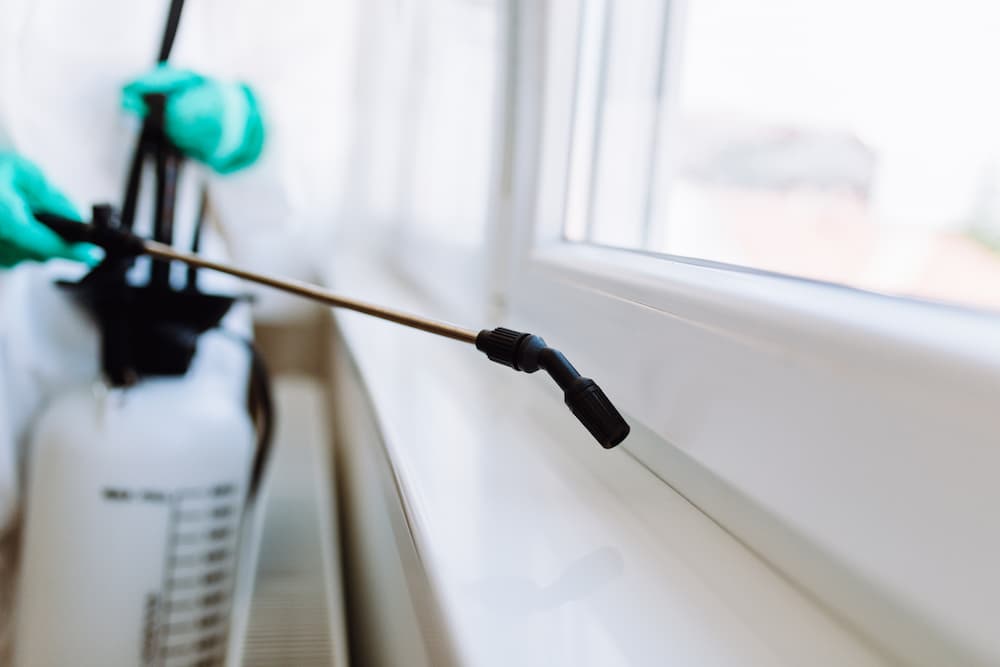
Green Pest Control Service
Common Eco-Friendly Pest Control Techniques
Eco-friendly pest control relies on a variety of innovative and sustainable methods to effectively manage pests without causing harm to the environment or your family. Here are some of the most commonly used techniques:
Sealing Entrances and Structural Repairs
Prevention is key in eco-friendly pest control. By identifying and sealing cracks, gaps, and other entry points, homeowners can significantly reduce the chances of pests entering their living spaces. Simple structural repairs, like fixing torn screens or repairing damaged vents, can serve as a first line of defense.
Natural Repellents
Using natural repellents, like essential oils such as peppermint, citronella, or eucalyptus, can help deter pests without the use of synthetic chemicals. These repellents are often applied around entryways, windows, and other vulnerable areas in the home.
Biological Controls
Biological control methods involve introducing natural predators or organisms to control pest populations. For instance, ladybugs can be used to manage aphids, and nematodes are effective at targeting soil-based pests. This approach works within the ecosystem to naturally manage infestations.
Organic Baits and Traps
Many eco-friendly pest control strategies include the use of organic baits and non-toxic traps to specifically target pests like ants, cockroaches, or rodents. These solutions are designed to be effective while reducing unnecessary exposure to harmful substances.
Habitat Modification
Modifying the environment to make it less attractive to pests is a critical element of green pest management. This might involve maintaining clean and dry indoor spaces, minimizing clutter, and properly storing food to eliminate sources of attraction for pests. Similarly, keeping outdoor areas well-maintained by trimming bushes, removing standing water, and disposing of yard debris can deter pest activity around the home.
Beneficial Plantings
Companion planting in gardens is a natural way to protect crops and flowers. For example, planting marigolds can repel nematodes, while basil deters flies. Incorporating pest-repelling plants into landscaping is a beautiful and functional solution for eco-friendly pest management.
Why Eco-Friendly Pest Control is the Smarter Choice
When it comes to managing pests, opting for eco-friendly pest control methods offers a wide range of benefits that extend beyond simply eliminating unwanted critters. These solutions not only tackle infestations effectively but also align with values of sustainability, health, and long-term cost savings. Here’s why choosing eco-conscious pest control matters:
Protection of the Environment
Eco-friendly pest control helps preserve our planet’s biodiversity by minimizing the use of harmful chemicals that can seep into soil, water, and air. Unlike conventional methods that often harm non-target species, these solutions are designed to target pests while protecting ecosystems from damage. By making this choice, you support healthier habitats for all living creatures.
Healthier Living Environments
Traditional pest control methods often rely on toxic chemicals that can linger in your home and pose risks to children, pets, and even adults. Eco-friendly alternatives use natural or non-toxic products designed to limit exposure to these hazards, fostering a safer and healthier living environment for your entire family.
Sustainable and Long-Term Results
Eco-conscious pest control focuses on finding and treating the root cause of pest infestations rather than just the symptoms. This approach makes the results more sustainable since it addresses what attracts pests in the first place. By making your home less appealing to pests, you also reduce the likelihood of recurring problems.
Cost Savings Over Time
While eco-friendly pest control sometimes requires an initial investment, it often saves you money in the long run. Preventative measures and targeted treatments reduce the need for continuous applications, leading to fewer follow-up treatments and lower overall costs for homeowners and businesses alike.
Peace of Mind
Choosing eco-friendly pest control isn’t just a practical decision; it’s a responsible one. You’ll rest easier knowing that your approach prioritizes health and sustainability while minimizing harm to the planet. It’s a choice that aligns with a growing commitment to creating a better future for ourselves and generations to come.
5 Myths About Eco-Friendly Pest Control, Debunked
Think eco-friendly pest control isn’t effective? Think again! Here’s the truth behind some common misconceptions:
- Less Effective: Eco-friendly methods like natural repellents and biological controls target pests directly and can work just as well, if not better, over the long term.
- Too Expensive: While initial costs can be higher, sustainable solutions save you money by reducing repeat treatments and preventing costly repairs from pest damage.
- Unsafe for Humans: Eco-conscious products are often non-toxic, designed to protect both people and the environment.
- Too Slow: Many eco-friendly treatments deliver fast results, with some methods like habitat modification offering lasting benefits.
- Only for Small Problems: Whether it’s minor pests or large infestations, strategies like Integrated Pest Management (IPM) make eco-friendly solutions scalable and effective.

Professional Pest Control
Best Practices for Eco-Friendly Pest Control
Want to make the most of an eco-friendly approach? Follow these practical tips, straight from the experts at Eco Care Pest Control:
- Regular Inspections: Conduct routine checks to catch pest activity early and address it before it becomes a larger problem.
- Proper Waste Disposal: Eliminate accessible food sources by securely sealing trash bags and storing leftovers properly.
- Declutter Regularly: Pests thrive in cluttered spaces. Decluttering your home gives them fewer places to hide and breed.
- Consult Professionals: Eco Care Pest Control offers personalized consultations to ensure your home remains pest-free the eco-friendly way.
Take the Green Path to Pest Control
Switching to eco-friendly pest control is more than just a trend; it’s a responsible choice for your family, pets, and the planet. From harnessing natural solutions to implementing effective techniques, Eco Care Pest Control provides the expertise needed to address infestations safely and sustainably.
Say goodbye to harsh chemicals and hello to a healthier home. Contact Eco Care Pest Control today and take the first step towards an eco-friendly pest-free future.
650 NE Holladay St Suite 1600, Portland, OR 97232, United States
(360) 702-3555

by Pest Control | Apr 17, 2025 | Rodents Control
Humane mouse removal starts with understanding what you’re dealing with and acting quickly. Picture this: it’s a quiet evening, you’re settling in, and then something darts across the floor. Was that a mouse? That uneasy feeling is valid—uninvited rodents pose risks to health and property. The good news: with the right strategies, you can handle the issue swiftly, safely, and compassionately.
Mice may be tiny, but they can create outsized problems. They can spread illnesses such as hantavirus and salmonella, and droppings may trigger allergies and asthma. Their constant gnawing can damage wiring, insulation, and stored belongings—sometimes even increasing the risk of electrical fires. Taking action fast isn’t optional; it’s essential for humane mouse removal and home safety.
This guide walks you through everything from behavior basics to prevention and step‑by‑step humane mouse removal tactics—so you can reclaim your home with confidence.
Understanding Mice for Humane Mouse Removal
Types of Common House Mice
Not all mice are the same. The species most likely to enter homes include:
-
House Mouse: Small, round-bodied, gray or brown; highly adaptable to human dwellings and common in urban areas.
-
Deer Mouse: Two‑toned fur with white bellies; more frequent in rural settings but can invade homes.
-
Field Mouse: Large eyes and longer tails; often move indoors during colder months for shelter.
Behavior and Breeding
Mice are nocturnal and hide in dark, enclosed spaces. Nests are often made from shredded fabric, paper, or insulation. A single female can produce a litter roughly every three weeks—meaning populations can grow exponentially if not addressed with prompt, humane mouse removal measures.
They’re also escape artists: squeezing through openings as small as a dime, traveling along baseboards to avoid open spaces, and using their keen sense of smell to find food. Their relentless gnawing keeps their teeth in check but can damage wiring and structures.
Why Mice Enter Homes
Mice head indoors for three main reasons:
-
Food: Poorly stored items, crumbs, and spills.
-
Shelter: Warmth and protection—especially during colder months.
-
Seasonal Changes: As outdoor food/shelter dwindle in fall and winter, homes become safe havens.
Mouse Control Service

Signs You Need Humane Mouse Removal
Visual Cues
-
Small, dark droppings near food storage, along walls, or in cabinets
-
Gnaw marks on packaging, furniture, or wiring
-
Shredded paper/fabric used as nesting material
Auditory Signs
-
Nighttime scratching, scampering, or faint squeaks in walls, ceilings, or under floors
Physical Evidence
-
Chewed insulation or wires
-
Grease marks along baseboards (from oily fur)
-
Disturbed storage areas and hidden corners
Prevention: The Foundation of Humane Mouse Removal
Secure Food Sources
-
Store all food—including pet food—in airtight containers
-
Clean crumbs and spills promptly; sanitize counters regularly
-
Take out the trash daily; use bins with tight‑fitting lids
Home Maintenance
-
Seal cracks, holes, and gaps ≥ the size of a dime using steel wool plus caulk
-
Add weather stripping to doors and windows; use door sweeps on exterior doors
-
Repair torn screens and gaps around utility lines
Landscaping Best Practices
-
Clear debris, leaf piles, and stacked wood; these serve as nesting sites
-
Trim vegetation touching the home to remove “bridges”
-
Place bird feeders away from the house to avoid attracting rodents
Fast & Humane Mouse Removal: 11 Proven Tactics
-
Find & Seal Entry Points
Do a systematic exterior and interior inspection; seal as you go. Humane mouse removal works best when new intruders can’t get in.
-
Declutter High‑Risk Zones
Reduce hiding spots in basements, garages, pantries, and under‑sink cabinets.
-
Deep Clean Food Areas
Pull out appliances; vacuum/clean behind and beneath. Eliminate scent trails that attract mice back.
-
Use Catch‑and‑Release Traps
Place along walls and known travel routes; bait with peanut butter or seeds. Check often and release far from home promptly for truly humane mouse removal.
-
Deploy Scent Deterrents
Peppermint, clove, and cinnamon oils on cotton balls in entry points and cupboards; refresh regularly.
-
Leverage Ultrasonic Repellents
Position devices in active zones; move them periodically and combine with other methods for best results.
-
Create Deterrent Sprays
A simple water‑plus‑white vinegar solution with a few drops of peppermint can help in baseboards and under sinks.
-
Store Pet Food Wisely
Airtight containers and no free‑feeding overnight reduce attractants that undermine humane mouse removal.
-
Maintain Dry, Well‑Lit Spaces
Fix leaks and add light in crawl spaces/garages. Dry, bright areas are less attractive to mice.
-
Safe Handling & Cleanup
Wear gloves (and a mask if disturbing droppings/nests). Double‑bag waste. Wash hands and tools thoroughly.
-
Know When to Call Experts
If activity persists, expands to multiple areas, or you find several nests, professional humane mouse removal ensures long‑term resolution.
Natural & DIY Options for Humane Mouse Removal
Peppermint & Vinegar Solutions
Mix water, peppermint oil, and white vinegar; spray along baseboards, under sinks, and potential entry points. Tuck cotton balls or dryer sheets with this solution into gaps.
Keep a Cat
Cats are natural predators; their presence can deter mice. Use this only as a supplement—cats often lose interest after capture, so rely on broader humane mouse removal steps for consistent results.
Cornmeal & Baking Soda
Some homeowners use a cornmeal‑and‑baking‑soda mixture as a lethal approach. If you prefer strictly humane mouse removal centered on non‑lethal methods, skip this option and emphasize prevention, sealing, and release traps.
Sonic Devices
Apps or devices that emit high‑frequency sounds can make spaces uncomfortable for mice. Rotate placements and combine with sealing and sanitation.
Mouse Removal Expert
When to Call the Professionals for Humane Mouse Removal
Identifying Severity
-
Traps aren’t working or stop working
-
Multiple rooms or floors show activity
-
You’re finding new nests despite your efforts
What to Expect
A professional will inspect, identify entry points, and create a targeted plan that prioritizes eco‑friendly trapping and long‑term prevention—exactly the kind of humane mouse removal approach that delivers lasting peace of mind.
Cost Considerations
Early action usually reduces total costs. Damage from an active infestation can add up, and the scale of your home and the severity of activity influence pricing.
EcoCare Pest Control: Humane Mouse Removal with an Eco‑Friendly Touch
Eco‑Friendly Tactics with a Heart
We prioritize non‑toxic, environmentally conscious methods. Our humane mouse removal approach safeguards your home while respecting the ecosystem.
Safe and Effective Results You Can Trust
Our proven strategies deliver quick, reliable results—removing mice efficiently and ethically. With careful attention to detail, we resolve infestations with care and precision.
Ongoing Prevention for Peace of Mind
We don’t just remove mice—we help keep them out. From sealing entry points to personalized prevention strategies, our humane mouse removal plans are designed for long‑term success.
Mouse Removal
Long‑Term Maintenance & Monitoring
-
Routine Inspections
Walk your property: foundations, walls, attics, crawl spaces, and storage. Early detection keeps humane mouse removal simple.
-
Community Engagement
Share prevention tips with neighbors. A coordinated approach reduces re‑infestation pressure.
-
Establish a Mouse‑Resistant Zone
Keep landscaping tidy, store firewood away from the house, and remove outdoor clutter.
Conclusion
Mice are a nuisance—but with prevention, quick action, and humane mouse removal techniques, you can manage them effectively. Whether you take a DIY path or bring in professionals, prioritize eco‑friendly, compassionate methods. Inspect regularly, seal entry points, and maintain clean, well‑organized spaces. The result: a safer, healthier, mouse‑free home.
EcoCare Pest Control
https://www.google.com/maps?cid=17946645834923414878
650 NE Holladay St Suite 1600, Portland, OR 97232, United States
(360) 702-3555
https://ecocarepestcontrol.com/

by Pest Control | Apr 15, 2025 | Rodents Control
Silent Invaders No More: Successful Steps for Mice Removal
Mice. Small, quiet, and deceptively cute, they can turn into an absolute nightmare when they invade your home. Picture this: it’s late at night, and you hear faint, scratching sounds from your walls. Or perhaps you find tiny droppings next to the cereal box in your pantry. Realizing you have a mouse problem is unsettling, to say the least. These silent invaders can do far more damage than their small size might suggest, from chewing wires to spreading diseases.
Fortunately, it doesn’t have to be this way. With the right knowledge and an action plan, you can rid your home of mice once and for all. This guide will walk you through essential steps to detect and mice removal, ensuring your home remains a safe, pest-free space for your family.
Understanding Mice Behavior and Biology
To effectively combat mice, it’s essential to understand their behavior and biology. By learning more about these critters, you’ll be better equipped to address infestations at their source.
Common Species
Not all mice are the same. The two most common culprits you’re likely to encounter are house mice and deer mice. House mice are small, with rounded bodies and light brown or gray fur. They’re notorious for being extremely adaptable and capable of thriving near humans. Deer mice, on the other hand, have bicolored fur with white underbellies and are commonly found in rural areas. Both species can wreak havoc in their own way, and understanding which one you’re dealing with can help shape your removal strategy.
Habitat Preferences
Mice thrive in environments that provide warmth, food, and shelter. Homes are, unfortunately, the perfect spot for them to settle in. From basements and attics to behind kitchen appliances, mice love dark, enclosed spaces that are often left undisturbed for long periods. Add an easily accessible food source, such as uncovered trash or poorly stored pantry items, and they’re more than happy to put down roots.
Reproductive Rates
If you think one or two mice are no big deal, think again. Mice reproduce at an alarming rate. A single pair of mice can produce dozens of offspring in a few months, rapidly turning a minor intrusion into a full-blown infestation. This is why immediate action is critical—even if you’ve only seen a few signs of their presence.
Mice Removal Service
Recognizing Signs of an Infestation
Identifying the early signs of a mouse infestation can save you a lot of time, money, and stress. Catching the problem early makes containment and elimination much easier.
Physical Evidence
The most obvious signs of mice are their droppings, small and pellet-shaped, often found near food sources or along their travel paths. Gnaw marks on wires, walls, and furniture are another common indicator, as mice constantly chew to keep their teeth from overgrowing. You might also encounter their nests, which are usually made from shredded paper or fabric tucked away in hidden areas.
Sounds and Smells
Mice don’t exactly sneak around quietly. At night, you may hear faint scratching or scurrying sounds in your walls or ceilings. Another telltale sign is a musky ammonia-like smell, often caused by their urine marking.
Importance of Early Detection
The sooner you address an infestation, the better. Early detection prevents the problem from escalating and reduces the risks associated with mice infestations, including health hazards and property damage.
Health Risks Associated with Mice
Mice aren’t just annoying; they’re dangerous. Their presence in your home can expose you and your family to several health risks.
Disease Transmission
Mice are known carriers of serious diseases. For example, hantavirus, often spread through mouse droppings and urine, can cause severe respiratory issues. Leptospirosis, another concern, is transmitted through contaminated food and water sources. Even salmonella can be passed along by mice contaminating your pantry items.
Allergens and Asthma
Mice can trigger allergic reactions and asthma attacks, especially in individuals sensitive to their droppings or urine. These allergens often linger in the air long after the mice are gone, making proper cleanup essential.
Property Damage
Mice aren’t picky about what they chew through. Wires, insulation, drywall—even sentimental items stored away in boxes are fair game. Gnawed electrical wires pose a significant fire risk, and compromised insulation can result in higher energy bills.
Creating a Mouse-Proof Environment
The key to keeping mice out is prevention. By taking proactive measures, you can make your home far less attractive to these unwelcome intruders.
Sealing Entry Points
Mice can squeeze through holes as small as a dime. To prevent them from entering your home, inspect your foundation, walls, windows, and doors for potential entry points. Seal cracks with steel wool, which mice cannot chew through, and caulk around plumbing and vents. Don’t forget to check for gaps in areas like your garage door or basement windows.
Proper Food Storage
Eliminate food sources by storing items in airtight containers and promptly cleaning up spills. Don’t leave pet food out overnight, and ensure garbage cans have tight-fitting lids. By cutting off their food supply, you drastically reduce the chances of mice sticking around.
Decluttering
Mice love cluttered environments where they can nest undisturbed. Declutter your home by organizing storage spaces, disposing of unused items, and keeping areas like basements and attics tidy. The fewer hiding spots they have, the less likely they’ll want to stay.
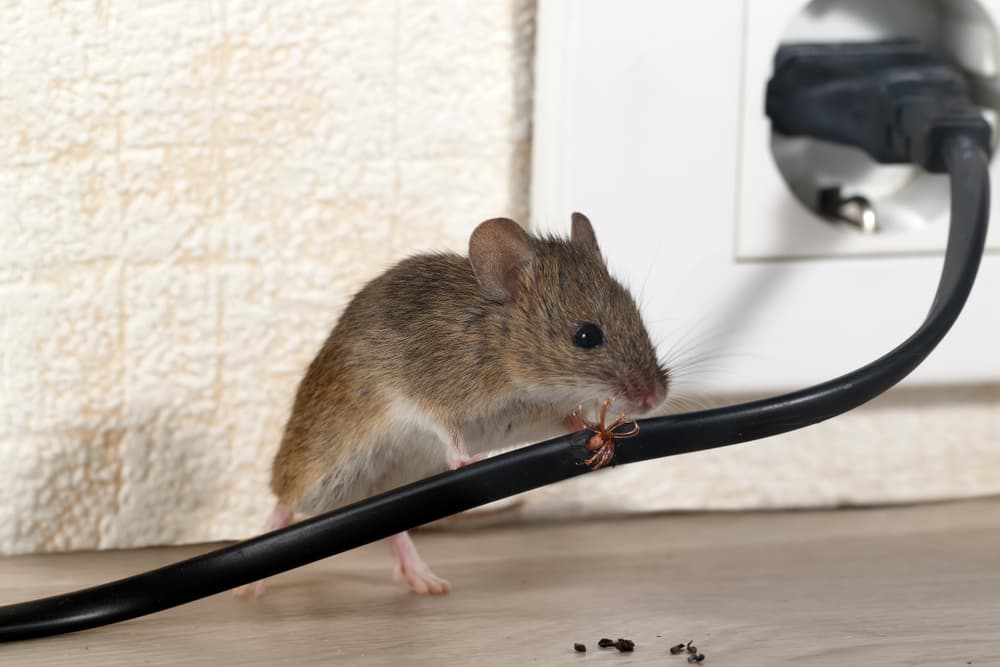
Mice Infestation Control Expert
Selecting Effective Removal Methods
If mice have already moved in, it’s time to take action. Choosing the right removal methods can make all the difference.
Humane Traps vs. Poison
When removing mice, you can opt for either humane catch-and-release traps or lethal methods like snap traps and poison. While poison may seem like an easy fix, it comes with significant risks to pets and children. Humane traps, on the other hand, offer an ethical solution by allowing you to relocate the mice safely.
DIY Solutions
For a more hands-off approach, some homeowners rely on DIY deterrents like peppermint oil or ultrasonic repellents. While these may help for minor infestations, they often fall short when dealing with larger numbers of mice.
Baiting Techniques
Proper baiting is critical for trap success. Peanut butter is a popular choice as it’s sticky and fragrant. Place traps along walls and in high-traffic areas, as mice tend to stick to the corners of rooms.
Implementing a Short-Term Removal Strategy
Once you’ve chosen your removal method, follow these steps for effective execution.
Setting Traps
Strategic trap placement is crucial. Focus on areas where you’ve noticed droppings, gnaw marks, or nests. Check traps regularly and reset them as needed until activity ceases.
Monitoring Activity
Continue to inspect your home for new signs of mice while your traps are in place. This helps you track progress and identify any areas you may have initially overlooked.
Quick Cleanup
Proper sanitation is essential. Use gloves and a disinfectant when cleaning droppings or handling traps to reduce the risk of disease exposure. Dispose of dead mice immediately and seal the waste in a heavy-duty plastic bag.
EcoCare Pest Control: Your Solution for Long-Term Mice Removal
At EcoCare Pest Control, we understand how unsettling a mice infestation can be. That’s why our team is dedicated to providing professional, long-lasting solutions that remove these pests while keeping your home, family, and pets safe.
Professional Expertise
Our team has years of experience handling even the most stubborn infestations. We don’t just remove mice—we address the root cause to prevent them from coming back.
Humane Approach
We prioritize the use of humane, eco-friendly methods to ensure the health and well-being of people and animals alike. With EcoCare Pest Control, you can rest easy knowing your mice problem will be handled ethically and effectively.
Preventative Measures
Our integrated pest management approach includes sealing entry points, installing deterrents, and educating you on how to maintain a mouse-proof home. We’re not just here to solve the problem; we’re here to prevent it from happening again.
The Importance of Regular Maintenance
Even after the mice are gone, ongoing maintenance is critical to keeping your home pest-free.
Routine Inspections
Regularly inspect your home for new vulnerabilities, such as cracks or food storage issues. Catching problems early helps avoid future infestations.
Establishing a Maintenance Schedule
Create a seasonal checklist to ensure your home remains secure from pests year-round. Include tasks like sealing entry points, decluttering, and checking for signs of mouse activity.
Involving Family Members
Educate your family on best practices for cleanliness and spotting early signs of an infestation. A team effort will ensure your home stays mouse-free.

Mice Control Service
Preventing Future Infestations
With the right practices, you can stop mice from returning.
Expert Recommendations
Our team at EcoCare Pest Control offers tips and solutions tailored specifically to your home. Together, we’ll create a custom plan to keep mice out for good.
Ongoing Support
We’re here for you even after the initial removal. If any issues arise, our team is ready to help with additional treatments or advice on how to maintain a pest-free home.
Follow-Up Services
EcoCare Pest Control provides ongoing monitoring services to ensure infestations don’t recur. If any issues arise, we’ll address them promptly so you can stay worry-free.
Don’t Let Mice Take Over Your Home
Mice may be small, but they can cause big problems. By following these tips and enlisting the help of a professional pest control service like EcoCare, you can prevent and remove mouse infestations for good. Keep your home safe, clean, and free from pests with these helpful strategies and expert services. Continue to educate yourself on pest prevention methods and regularly maintain your home to ensure a pest-free environment for you and your family. Thank you for choosing EcoCare Pest Control as your trusted partner in keeping your home free from unwanted pests. Keep following our blog for more tips on pest control and eco-friendly solutions. Stay safe, stay happy, stay pest-free! Happy cleaning!
650 NE Holladay St Suite 1600, Portland, OR 97232, United States
(360) 702-3555

by Pest Control | Apr 10, 2025 | Rodents Control
Tiny Terrors, Big Problems: Cracking the Code on Mice Control
It’s a quiet evening after a long day. You’re walking to the kitchen for a late-night snack when you notice something unsettling – tiny droppings in the corner. Suddenly, you hear faint scratching noises behind the walls. You pause, heart racing, as the realization dawns. You have mice.
For many homeowners, this scenario is all too real. A mouse infestation can feel overwhelming and bring more than just nuisances. These tiny invaders pose significant health risks, threaten the integrity of your property, and add layers of stress to daily life. But there’s hope. By understanding the habits and behaviors of mice and employing effective mice control strategies, you can reclaim your home.
This guide will walk you through everything you need to know about controlling and preventing mice from invading your home. From identifying the risk factors to deploying solutions, we’ll cover it all. Knowledge is the first line of defense, and by the end of this post, you’ll feel empowered and equipped to handle these tiny terrors.
Understanding Mice: The Uninvited Guests
Species Overview
The most common home-invading mice are house mice, field mice, and deer mice.
- House mice are small, gray, and incredibly sneaky. They can adapt to just about any indoor environment, making them the most frequent culprits.
- Field mice, often a bit larger than house mice, are more common in rural settings but can wander indoors when food or shelter is scarce.
- Deer mice usually live outdoors, but they seek out indoor spaces during colder months. They are also one of the main carriers of hantavirus, further emphasizing why their presence should be taken seriously.
Behavioral Traits
Why are mice so difficult to manage? Their adaptability plays a major role. Mice are nocturnal, highly agile, and capable of squeezing through holes as small as a dime. Their quick reproductive cycle compounds the problem. A single female mouse can produce up to 60 offspring in a year, rapidly turning a small problem into a major infestation.
Health Risks
Mice aren’t just a nuisance; they’re a health hazard. They can spread diseases like hantavirus, salmonella, and leptospirosis. Their droppings, urine, and saliva can contaminate surfaces and food, posing serious risks to your family’s well-being. Additionally, their presence exacerbates allergies and asthma for vulnerable individuals.

Mice Control Service
The Tiny Terror: Mice Behavior and Habits
Nesting
Mice build nests in hidden, secure locations such as walls, attics, and storage boxes. They shred paper, insulation, and even fabric to construct cozy homes for raising their young. A mouse nest isn’t just evidence of an infestation; it’s a source of ongoing reproduction that can lead to a larger problem quickly.
Feeding
Mice aren’t particularly picky eaters. They’ll scavenge whatever is available, from dry pantry goods to crumbs left on the floor. However, their feeding habits leave behind contamination in food containers and preparation surfaces, creating potential health hazards.
Movement Patterns
Known for their agility, mice can climb walls, jump considerable distances, and move quickly along tight spaces. Their ability to scamper through openings as small as 1/4 inch enables them to invade even well-maintained homes.
Signs of Infestation: Are You at Risk?
Visual Indicators
Mice are stealthy, but they often leave behind telltale signs. Common indicators include small, pellet-shaped droppings, gnaw marks on food packages or furniture, and shredded materials used for nesting.
Sounds and Smells
At night, when the house quiets down, you may hear scratching, squeaking, or scampering noises coming from walls or ceilings. Additionally, a musty odor may linger in areas with high mouse activity due to their urine.
Impact on Property
The destructive nature of mice goes beyond food contamination. Their incessant gnawing can damage wiring (posing a fire risk), insulation, and framing. Left unchecked, they can cause hundreds or even thousands of dollars in repairs.
Prevention is Key: Tips to Keep Mice at Bay
Stopping mice from getting in is much easier than getting them out. Here’s how you can keep them at bay:
Home Maintenance
- Seal all gaps or holes around doors, windows, and foundations, no matter how small.
- Install door sweeps to block entry points.
- Patch up damaged screens and vents.
Food Storage
Store food in airtight containers and never leave food crumbs or pet food out overnight. Wipe down counters and maintain a clean, clutter-free pantry. Mice are attracted to readily available food sources and can quickly spread contamination.
Landscaping Considerations
Trim overgrown vegetation and remove clutter or debris that could serve as nesting sites. Keep shrubs and woodpiles away from your home’s foundation to limit hiding spots. Mice are drawn to cluttered and sheltered outdoor spaces.

Mice Infestation Control
The Home as a Fortress: Strategies for Mice Control
DIY Approaches
For small infestations, DIY solutions like snap traps, glue traps, and bait stations can work well. Position these near walls, under furniture, or in other areas frequented by mice. Always use gloves when handling traps to avoid leaving your scent behind.
Professional Methods
If the infestation is severe or persistent, it’s time to seek professional help. Pest control services, such as EcoCare Pest Control, have the expertise and tools to eliminate mice for good. Our trained professionals use strategic trapping techniques, exclusion methods, and advanced treatments to solve the problem efficiently.
Preventing Future Infestations
Post-treatment, prevention is vital. Regular inspections, along with a focus on cleanliness and maintenance, will reinforce your home’s defenses and ensure mice don’t return. With proactive measures and a strong understanding of mice behavior, you can keep your home free of these unwelcome guests.
DIY Solutions: Natural and Affordable Mouse Control Methods
Traps vs. Baits
Snap traps and live traps are reliable, simple solutions for mice infestations. On the other hand, bait stations offer a low-maintenance option but must be placed strategically for best results.
Homemade Repellents
Essential oils like peppermint, eucalyptus, and citronella can repel mice temporarily. Simply apply a few drops to cotton balls and place them in target areas like cupboards or baseboards. Regular reapplication is necessary.
Baits and Poisons
Rodenticides can be effective but require careful use in homes with pets or children. Always follow safety guidelines and consider non-toxic alternatives whenever possible. Bait stations are a safer option, as they limit access to the poison.
Behavioral Adjustments
Declutter your living space and establish routines that minimize food availability. Even small crumbs can attract mice, so regular vacuuming and cleaning are necessary. Keep food, including pet food, in airtight containers and promptly dispose of any waste.
When to Call in the Pros: Knowing Your Limits
Signs It’s Time for Professional Help
If you’re noticing repeated signs of infestation despite your efforts, or if the problem involves multiple nests and rapid reproduction, it’s time to call in the experts. Additionally, if you have a large property or a severe infestation, DIY solutions may not be enough.
Choosing the Right Exterminator
Look for licensed professionals with positive reviews and transparent pricing. A reputable company like EcoCare Pest Control will tailor their services to your home’s situation while emphasizing eco-friendly solutions.
Cost Considerations
Though professional help may seem costly, the expertise and long-term effectiveness often outweigh the expenses of ineffective DIY remedies. Plus, investing in prevention and regular inspections can save you money in the long run. Compare quotes from multiple providers to ensure you’re getting a fair price.
Mice Infestation Control Expert
EcoCare Pest Control: Your Ultimate Solution for Mice Control
Company Overview
At EcoCare Pest Control, we pride ourselves on years of expertise in tackling mice infestations with unmatched precision and care. Our commitment to quality service makes us the go-to choice for homeowners seeking effective pest control solutions.
Our Services
Our comprehensive approach begins with thorough inspections to accurately assess the extent of your mice problem. We then implement targeted extermination techniques designed to eradicate mice swiftly and efficiently. But our job doesn’t stop there; we also provide robust prevention strategies tailored to keep your home mouse-free for the long term.
Eco-Friendly Approach
What sets us apart is our unwavering dedication to using environmentally safe and family-friendly products. We believe in eliminating pests without compromising the health of your loved ones or the planet. Our methods are designed not just to rid your home of mice but to do so in a manner that respects the environment we all share.
Why Choose EcoCare?
Choosing EcoCare means choosing a partner who values your peace of mind. Our team is not only skilled but also passionate about providing a pest-free environment in a way that aligns with your values. Experience the difference of pest control that prioritizes both efficacy and eco-consciousness.
Maintaining a Mouse-Free Environment
Regular Inspections
Create a quarterly inspection routine for key areas like basements, garages, and attics. Early detection is the easiest way to stop infestations in their tracks.
Seasonal Tips
During colder months, when mice seek shelter indoors, double down on sealing gaps and eliminating outdoor nesting opportunities.
Educating Family Members
Get the whole family involved in maintaining a clean and organized home. Teach kids about basic food storage and cleaning practices to foster lasting habits of prevention.
Conclusion
Mice infestations can be overwhelming, but with the right approach, they are entirely manageable. From DIY solutions to professional pest control services, there are various effective methods for eliminating mice and preventing future infestations. Remember to prioritize eco-friendly options and remain vigilant in maintaining a clean and organized living space. With these tips in mind, you can keep your home mouse-free and enjoy peace of mind knowing your family is safe from these unwanted guests. No matter the severity or persistence of your mouse problem, EcoCare Pest Control has you covered with personalized solutions that prioritize both efficacy and eco-friendliness. Trust us to help you maintain a pest-free environment for you and your loved ones. So don’t hesitate, take action today and protect your home from mice infestations with the power of knowledge and proactive measures. Remember, a little prevention goes a long way in keeping your home safe and comfortable for all.
650 NE Holladay St Suite 1600, Portland, OR 97232, United States
(360) 702-3555

by Pest Control | Apr 3, 2025 | Rodents Control
Keep Mice Out for Good: Mastering the Art of Mice Pest Removal
Did you know that nearly 21 million homes in the United States experience mouse infestations each year? That’s a startling number of families dealing with unwanted guests who chew through walls, disrupt our sense of security, and carry diseases into our homes. Mice may seem small and harmless, but their presence can lead to serious problems for homeowners. From transmitting diseases like hantavirus and salmonella to causing structural damage by gnawing on wires and wood, a mouse infestation is more than just an annoyance; it’s a real threat to health and safety.
This post will equip you with everything you need to know about preventing and removing mice from your home. We’ll cover how to identify signs of an infestation, effective mice pest removal techniques, natural repellents, and long-term strategies for pest control. By the end, you’ll feel confident in your ability to keep your home mouse-free.
Understanding Mouse Behavior
Biology and Habits
To fight mice effectively, you first need to understand their ways. The most common intruders include house mice and field mice. These tiny creatures are highly adaptive and reproduce at a startling pace; a single mouse can birth up to 60 offspring in a year. With such rapid growth, it doesn’t take long for a small problem to spiral into a full-blown infestation.
Seeking Shelter
But why do mice choose your home? It’s simple. They invade in search of warmth, food, and nesting sites, especially during the cooler months. Your pantry, attics, and walls offer the cozy, food-rich environment they crave. Once they find a way in, they’ll happily settle and begin to breed.
Mice Behavior
Mice are primarily nocturnal animals, which means they’re most active at night. They can squeeze through tiny holes the size of a dime, so don’t be fooled by their small stature. They’re also excellent climbers and jumpers, making it easy for them to access your home’s roof or attic. Once inside, mice have been known to cause extensive damage; gnawing on wires, chewing through walls and insulation, contaminating food supplies, and leaving droppings that can spread disease.
Mice Pest Removal
Identifying Signs of a Mouse Infestation
Common Indicators
Keep an eye out for these red flags:
- Droppings around food storage areas, under sinks, or along baseboards.
- Gnaw marks on furniture, wiring, or food packaging.
- Shredded materials like paper, insulation, or fabric in hidden areas.
- Squeaking or scratching noises, especially at night.
Spotting Mice
Seeing a mouse during the day is rare, as they are nocturnal creatures. If you do spot one, it’s likely a sign of overcrowding and an advanced infestation. You may also come across dead mice or their nests while cleaning out cluttered areas.
How to Conduct a Thorough Inspection
To inspect your home, start with the most common hiding spots. Check:
- Attics and basements
- Cabinets and pantries
- Behind appliances like refrigerators and stoves
- Areas around pipes, vents, or gaps in walls
Using a flashlight can help you spot droppings or damaged materials more easily. If you notice any of these signs, it’s time to act swiftly. The longer you wait, the more damage and risks you’ll face.
Effective Mice Removal Techniques
Traps vs. Chemical Solutions
When it comes to removing mice, you have several options. Traps are generally more humane and safer for homes with pets or children. Common types include:
- Snap traps (quick and effective)
- Electronic traps (deliver a humane electric shock)
- Live traps (capture mice for release far from your home)
Chemical solutions like poisons are less recommended because they can be harmful to humans and pets, and the mice may die in hidden areas, causing odor issues.
DIY Methods for Removal
If you prefer a hands-on approach, try these DIY strategies:
- Homemade Traps – Use a bucket and a ramp system to catch mice humanely.
- Homemade Deterrents – Spread substances like crushed red pepper or sprinkle a mix of essential oils (e.g., peppermint oil) around entry points to repel mice.
- Sealing Entry Points – Use wire mesh, steel wool, or caulk to seal up any holes and gaps mice may use to enter your home.
- Ultrasonic Devices – Plug in a device that emits high-frequency sound waves said to drive away rodents.
Professional Pest Control Services
For more severe infestations, it’s best to call in the experts. Professional pest control services like EcoCare Pest Control can provide safe and effective solutions tailored to your specific needs. They also offer eco-friendly options for those concerned about the environment and using harsh chemicals in their homes.
Natural Repellents and DIY Solutions
Essential Oils and Natural Repellents
Mice hate strong odors, so essential oils like peppermint, eucalyptus, and cloves can work wonders. Dab some on cotton balls and place them strategically, including under sinks and in corners. Natural repellents such as vinegar mixed with water can also serve as a non-toxic deterrent.
Homemade Traps
Don’t have conventional traps on hand? No worries. A DIY solution could be as simple as using a glass, a coin, and some bait to catch and contain mice for removal.
Environmental Adjustments
Beyond repellents, tweaks to your environment go a long way. Ensure grass and shrubs around your home are trimmed to limit hiding spots, and keep firewood at least 20 feet away from the property. Inside the home, store food in airtight containers to cut off their food supply.

Mice Removal Service
Exclusion Techniques for Sealing Entry Points
Identifying Vulnerable Areas
Mice are escape artists. They can enter through gaps as small as a dime. Areas around pipes, vents, and doors are hotspots, along with cracks in the foundation.
Materials and Methods
Use flexible yet firm materials like steel wool to plug gaps. Combine it with caulk or expandable foam to ensure the entry points are sealed off for good. Inspect areas regularly, paying attention to the lesser-seen parts of your home like crawl spaces and utility closets.
Ongoing Maintenance
Mouse-proofing isn’t a one-time task. Periodic checks are crucial to keeping your home rodent-free. Set reminders to inspect and repair any gaps every few months. A little diligence can save you from bigger headaches down the line.
The Role of Sanitation in Mice Prevention
Impact of Food Sources
Food is a major draw for mice, so it’s imperative to deny them access. Store your goods in sealed containers, clean up crumbs immediately, and don’t forget pet food—yes, even those kibble bowls can attract rodents.
Proper Waste Management
Managing waste properly is just as important. Ensure garbage cans have tight-fitting lids and avoid leaving compost heaps uncovered. Rodents are resourceful, and even small scraps can sustain them.
Educating Household Members
Make sure everyone is on board with sanitation practices. A housemate who neglects food storage or leaves clutter unchecked can inadvertently invite unwelcome guests. Teamwork is essential to maintaining a clean, mouse-free home.
Traps and Baits: Choosing the Right Tools
The type of trap and bait you use can make all the difference in successfully removal of mice.
Types of Traps
- Snap Traps are reliable for quick removal.
- Electronic Traps are reusable and eco-friendly but costlier upfront.
- Glue Traps are less humane and should be used as a last resort.
Best Bait Options
Mice are drawn to high-calorie foods like peanut butter, chocolate, sunflower seeds, and dried fruit. Place bait in areas with frequent activity for the best results.
Placement Strategies
Position traps along walls where mice travel, as they rarely stray far from safe pathways. Focus on dark spaces and hidden corners.
Dealing with an Active Infestation
Immediate Steps
Spot a mouse? Contain the area by closing doors and sealing it off with towels or draft stoppers. Set traps immediately to increase the chances of catching the intruder.
Cleaning Up After Mice
Mice can carry diseases, so cleanup requires caution. Use gloves and disinfectants to clean up droppings and nest materials. Avoid sweeping or vacuuming dry droppings, as this may release pathogens into the air.
When to Call Professionals
If you see multiple mice or if traps prove ineffective, professional intervention is your best bet. EcoCare Pest Control offers targeted treatment plans tailored to your infestation.

Mice Removal Expert
EcoCare Pest Control’s Expert Approach
At EcoCare Pest Control, we understand how overwhelming mouse infestations can be. That’s why we offer expert services designed to bring you peace of mind. Our trained technicians will work with you to create a customized plan that best suits your needs, using safe and effective methods to remove existing mice and prevent future infestations.
Our Process
- Inspection and Assessment: We examine your house to locate hidden entry points and assess the severity of the infestation.
- Customized Treatment Plans: Every home is different, which is why we tailor solutions to your unique needs.
- Safe, Eco-Friendly Solutions: We utilize methods that are effective against mice but safe for your family, pets, and the environment.
- Targeted Removal and Prevention: Our treatments are designed to not only remove existing mice but also prevent future infestations.
- Ongoing Support: We’re here for you long-term, providing ongoing maintenance and support to ensure your home remains pest-free.
Why Choose Us?
- Expertise: With over 30 years of experience, we know how to handle even the toughest infestations.
- Eco-Friendly Approach: We prioritize using eco-friendly methods and products to keep you and the environment safe.
- Satisfaction Guaranteed: If pests return between treatments, we’ll come back at no additional cost. Your satisfaction is our priority.
Prevention for a Mouse-Proof Home
Seasonal Adjustments
Mice are more likely to invade in the colder months, so reinforce seasonal prevention strategies like sealing cracks in fall and winter.
Community Awareness
Encourage your neighbors to keep their homes mouse-free too. Shared efforts often yield better results, especially in adjoining properties.
Resources and Further Education
For those who want to go deeper, there are abundant resources available. Seek out local workshops or credible pest management websites to stay informed.
Conclusion
Mice may be small, but they can cause big problems. By implementing exclusion techniques, practicing proper sanitation, and utilizing the right traps and baits, you can effectively prevent infestations. However, if a problem does arise, don’t hesitate to call on professionals like EcoCare Pest Control for expert assistance. With their expertise and safe methods, your home will be mouse-free in no time. Stay vigilant and continue learning about pest prevention to maintain a healthy living environment for you and your loved ones. So next time you spot a mouse in your house, remember that with the right knowledge and resources, you have everything you need to keep them out for good! Let’s work together to ensure a safe and pest-free home for all.
650 NE Holladay St Suite 1600, Portland, OR 97232, United States
(360) 702-3555

by Pest Control | Mar 20, 2025 | Rodents Control
The Hidden Dangers of Roof Rats and How to Address Them
Roof rats, formally known as Rattus rattus, are tiny but mighty creatures that can wreak havoc in homes, neighborhoods, and urban environments. Known for their agility and intelligence, these pests often invade homes without homeowners even realizing it. By the time their presence becomes evident, the damage is often already extensive. From health risks to property damage, roof rats pose numerous threats.
If you’ve never encountered roof rats or don’t know much about them, you’re not alone. Their secretive nature allows them to thrive unnoticed. But ignoring a potential infestation can lead to serious consequences. This blog will explore the hidden dangers of roof rats, their behavior and habitat, the harm they can cause, and how you can effectively address and prevent their presence.
The Unseen Threats of Roof Rats
Roof rats, also called black rats or ship rats, are small rodents with sleek bodies, pointed noses, and long tails. While they often appear harmless due to their size, make no mistake — these creatures are far from innocent. Roof rats prefer to live in elevated areas like attics, rafters, and trees, making their infestations hard to detect until the damage becomes significant.
The primary threat of roof rats lies in their stealthy behavior. They move quietly, thrive in hidden spaces, and reproduce rapidly. A small family of roof rats can quickly turn into an infestation, endangering both homes and families. Despite their inclination to avoid direct contact with humans, the diseases and destruction they bring should concern any homeowner.
Understanding the risks associated with roof rats is crucial. By recognizing the early warning signs and implementing preventive measures, you can protect your home and loved ones from the havoc these pests can cause.
Roof Rat Infestation
Understanding Roof Rats: Behavior and Habitat
Roof rats are naturally drawn to elevated locations. Unlike their cousins, Norway rats, which prefer basements and ground floors, roof rats love trees, rafters, and attics. Their climbing skills are exceptional, allowing them to scale walls and traverse utility lines effortlessly. This behavior makes residential properties with overhanging tree branches or accessible rooftops particularly susceptible to infestations.
Roof rats are opportunistic feeders. They typically consume fruits, nuts, grains, and vegetables but will scavenge for anything edible in your home. Their presence isn’t limited to food areas; they may be found nesting in insulation, inside walls, or even in storage boxes.
The numbers can quickly grow out of hand. A single pair of roof rats can produce as many as 40 offspring in a year, with each new generation reaching maturity in just 3-4 months. This exponential growth is especially concerning in urban environments where food and shelter are abundant.
The Dangers of Roof Rats: Health Risks
Roof rats pose significant health dangers to humans and pets alike. While they aren’t aggressive, they’re carriers of numerous diseases that can be transmitted through their droppings, saliva, urine, or bites. Below are some of the health risks associated with roof rats:
- Leptospirosis: This bacterial infection spreads through the urine of infected rats and can contaminate water sources. If untreated, it can lead to severe illness or even organ damage.
- Salmonella: Roof rats can contaminate food and surfaces with harmful bacteria, leading to foodborne illnesses characterized by severe stomach pain, diarrhea, and fever.
- Hantavirus: Though rare, hantavirus is a potentially deadly respiratory illness caused by contact with rodent droppings or urine.
- Allergens: Roof rat infestations often lead to a buildup of droppings, urine, and nesting materials, which can trigger allergies in sensitive individuals.
These pests carry fleas, mites, and ticks as well. Once inside your home, these parasites can transfer to humans and pets, potentially spreading additional diseases. Reports of disease outbreaks linked to rat infestations, particularly in urban areas, emphasize the importance of addressing these pests promptly.
Structural Damage: The Costly Consequences of Infestation
Beyond health problems, roof rats can wreak havoc on your home. With a constant need to gnaw in order to keep their teeth sharp, they target wood, electrical wiring, plastic, and even metal. This behavior can result in some alarming consequences, such as electrical fires caused by chewed wires.
Insulation and structural elements of your home are also at risk. Roof rats can contaminate insulation with urine and droppings, reducing its energy efficiency and requiring costly replacements. If left unchecked, they may gnaw through beams or panels, compromising the integrity of your home.
Homeowners who have dealt with infestations often share stories of extensive repairs. One homeowner from Texas reported spending nearly $15,000 repairing electrical damage caused by roof rats, while another in California faced a complete roof restoration costing over $20,000 after finding a rat colony in their attic.
Roof Rat Infestation Treatment
Signs of Infestation: Recognizing the Problem Early
Detecting roof rats early can save you a significant amount of time, money, and stress. Familiarize yourself with the following common signs of infestation:
Droppings
These droppings are small, capsule-shaped, and black in color. They are often found near food sources or nesting areas, serving as one of the clearest indicators of roof rat activity.
Gnaw Marks
Roof rats frequently gnaw on wood, plastic, or electrical wires to keep their teeth sharp. Look for these signs in attics, walls, or other areas where they may seek shelter.
Nesting Materials
Roof rats use shredded paper, fabric, or plant materials to build their nests. Check dark, quiet corners such as attics or storage spaces for these clusters of nesting material.
Noises
Scratching, scampering, or squeaking sounds are common signs of roof rats. These noises are most often heard at night, as roof rats are nocturnal and active during this time.
Grease Marks
Roof rats leave greasy smudges from the oils in their fur. These marks are often found along walls, beams, or near small entry points where the rats frequently travel.
Conduct a thorough inspection of your property if you suspect an infestation. Pay close attention to attics, roof eaves, vents, garages, and other undisturbed spaces. Early detection is key to preventing further damage.
Prevention Strategies: Keeping Roof Rats at Bay
Preventing a roof rat infestation begins with making your home less hospitable to these pests. Here are some highly effective strategies to keep them out:
- Seal Entry Points: Inspect your roof, walls, and vents for small gaps or cracks. Even a hole as small as half an inch can be an entryway for roof rats. Use steel wool, caulking, or metal mesh to seal these openings.
- Food Storage and Waste Management: Store food in airtight containers and clean up crumbs or spills promptly. Ensure trash bins are tightly sealed to eliminate potential food sources.
- Landscape Management: Trim tree branches at least three feet away from your roof. Removing shrubs or dense vegetation that act as pathways can also reduce access.
- Eliminate Standing Water: Roof rats need water to survive. Fix leaky pipes or faucets and avoid leaving standing water sources like pet bowls or plant trays exposed.
- Regular Maintenance: Schedule routine inspections to ensure your home is well-maintained. Fixing roof tiles, cleaning gutters, and checking entry points regularly can go a long way in keeping rats out.
These proactive steps can significantly reduce your risk of an infestation.
EcoCare Pest Control: Your Partner in Pest Management
While DIY prevention strategies are helpful, addressing a roof rat infestation often requires professional intervention. That’s where EcoCare Pest Control comes in. We specialize in eco-friendly, effective pest management solutions to keep your home safe.
EcoCare Pest Control offers a range of services tailored to managing roof rats, including thorough inspections, safe roof rat removal, and long-term prevention strategies. Unlike traditional pest control methods that rely on harmful chemicals, EcoCare emphasizes family- and pet-safe solutions. Our mission is to protect your home without compromising your health or the environment.
With years of experience and a proven track record, EcoCare Pest Control takes the stress and hassle out of managing roof rat problems. Whether you’re dealing with an active infestation or looking to prevent one, we’re your trusted partner.
Roof Rat Treatment
When to Seek Professional Help: Signs You Can’t Ignore
Certain situations call for immediate professional intervention. If you notice any of the following, it’s time to call in the experts:
- Strong odors coming from inaccessible parts of your home (indicating dead rats or severe infestation).
- Extensive structural damage to areas like attic beams, wires, or insulation.
- Repeated signs of rats despite your prevention efforts.
- Health concerns stemming from exposure to droppings, urine, or allergens.
EcoCare Pest Control follows a step-by-step process to address infestations. This includes a thorough inspection, humane traps where necessary, sealing off entry points, and ongoing prevention plans to ensure long-term results.
Taking Action Against Roof Rats
Roof rats are more than a nuisance; they are a significant threat to your home, health, and safety. But by staying vigilant and taking proactive steps, you can keep your property safe from these stealthy invaders.
It starts with awareness. Recognize the signs of an infestation, understand the dangers they pose, and implement prevention measures to minimize risks. Don’t wait until it’s too late to act. If you suspect a roof rat problem or want to ensure your home is protected, EcoCare Pest Control is here to help.
Call EcoCare Pest Control today for a free consultation or inspection. Together, we can safeguard your home and family from roof rats and other pests.
650 NE Holladay St Suite 1600, Portland, OR 97232, United States
(360) 702-3555
